When a tiger chooses to reveal itself, it feels like ishwar darshan: Aniruddha Roy Chowdhury
ETimes | July 29, 2026 4:39 PM CST
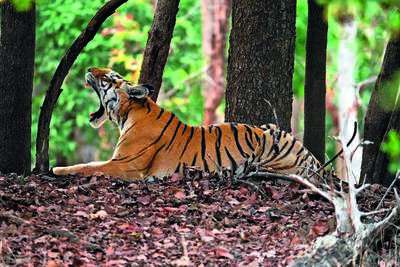
For the past several months, filmmaker Aniruddha Roy Chowdhury has almost disappeared into the wilderness. Between tracking calls and photographing wildlife across Pench, Kanha, and Tadoba, the
Pink and
Anuranan director has traded the chaos of movie sets for the quiet intensity of the forest.
What triggered this sudden retreat?
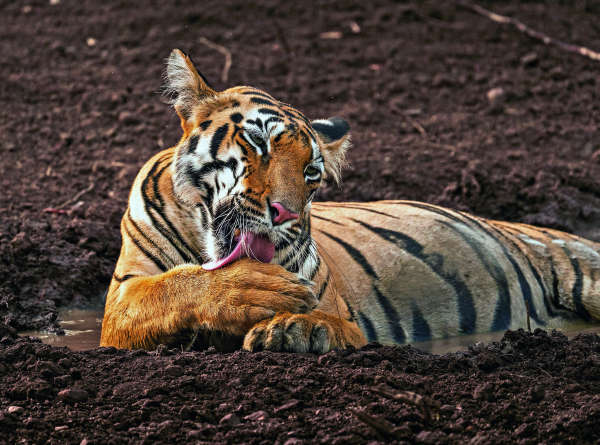
I went to Ranthambore back in 2011 and loved it. Ato bagh dekhlam, ato shundor jongol. But I got sucked back into work and forgot about it,” says the director. “Then last December, my friends took me to Kanha, Pench, and Tadoba. Something shifted inside me. You watch a film or read a book, and suddenly you're a different person. After those trips, I kept asking myself: Why am I not doing this more?
The Great Leveler
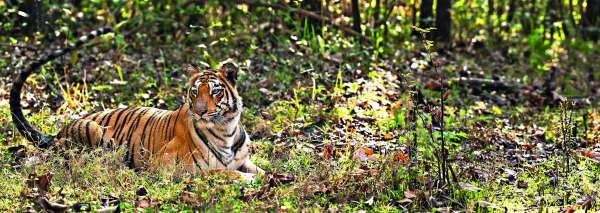
For a filmmaker accustomed to calling the shots, the forest demands a complete surrender of control. “In a world tangled in social media artifice and marriages of convenience, retreating to the wild acts as a profound equaliser,” Aniruddha reflects. “Standing before a tiger in its natural habitat feels like pure magic realism – stripping away our human vanities, clarifying the mind, and reminding us of our true, humble place in the universe.” That lesson manifests primarily in learning how to wait.
“I'm at the forest gate by 5am. I sit for hours. Ekta call eshechhe, kintu elo na. This teaches you patience – and synonym for life is patience. It’s not important that something has to happen every time. Not happening is also an art.”
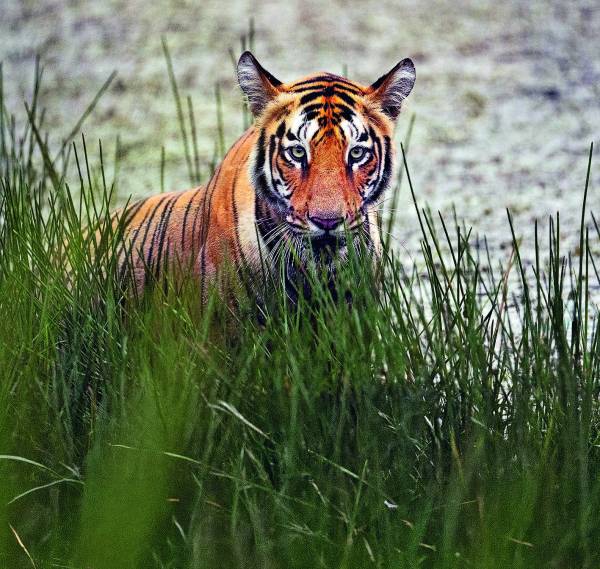
He recalls a crucial encounter in Tadoba while tracking a sub-adult tiger. “Eight or 10 jeeps waited for over an hour and a half before giving up. We stayed. I kept manifesting: Ekbar amake dekha dao. Suddenly, she emerged from the dense growth and walked right toward us. I make films, so my attitude used to be, ‘Why should I wait?’ But I waited for her. She came, stood in front of my jeep, and gave me a pout. Chokher modhye ki depth! It feels as if someone is directing it and it's giving every shot.”
A Shifting Canvas for Cinema
The forest has done more than just clear his mind – ‘ etakei bole shuddhikoron’ – it has transformed how he approaches storytelling. “When I return from the jungle, my focus as a filmmaker becomes entirely clear: to craft stories rooted in absolute truth,” he explains. “While cinema always requires a blend of reality and fiction, the wilderness teaches you what true authenticity looks like. The forest is never stagnant; it is a space of pure, organic evolution where light shifts, pathways change with the rain, and every single moment brings something entirely unexpected. When my writer and I discuss our work, that dynamic is always at the core – we strive to capture scenes that are as raw, changing, and alive as the wild itself.”
Respecting the Wild
As wildlife tourism surges, Aniruddha emphasises that access must come with deep personal discipline. “When I go to listen to an opera or sit in a cinema hall, I respect that art. I don’t shout inside a museum. The jungle deserves that exact same respect,” he insists. “You can’t enforce ethics purely through government regulations. We need proper orientation before every safari. We should speak less and experience more.” He adds, “Tigers don’t perform for us. If you’re fortunate enough, if everything aligns, they reveal themselves. We simply have to earn that privilege.”
What triggered this sudden retreat?
I went to Ranthambore back in 2011 and loved it. Ato bagh dekhlam, ato shundor jongol. But I got sucked back into work and forgot about it,” says the director. “Then last December, my friends took me to Kanha, Pench, and Tadoba. Something shifted inside me. You watch a film or read a book, and suddenly you're a different person. After those trips, I kept asking myself: Why am I not doing this more?
The Great Leveler
For a filmmaker accustomed to calling the shots, the forest demands a complete surrender of control. “In a world tangled in social media artifice and marriages of convenience, retreating to the wild acts as a profound equaliser,” Aniruddha reflects. “Standing before a tiger in its natural habitat feels like pure magic realism – stripping away our human vanities, clarifying the mind, and reminding us of our true, humble place in the universe.” That lesson manifests primarily in learning how to wait.
“I'm at the forest gate by 5am. I sit for hours. Ekta call eshechhe, kintu elo na. This teaches you patience – and synonym for life is patience. It’s not important that something has to happen every time. Not happening is also an art.”
He recalls a crucial encounter in Tadoba while tracking a sub-adult tiger. “Eight or 10 jeeps waited for over an hour and a half before giving up. We stayed. I kept manifesting: Ekbar amake dekha dao. Suddenly, she emerged from the dense growth and walked right toward us. I make films, so my attitude used to be, ‘Why should I wait?’ But I waited for her. She came, stood in front of my jeep, and gave me a pout. Chokher modhye ki depth! It feels as if someone is directing it and it's giving every shot.”
A Shifting Canvas for Cinema
The forest has done more than just clear his mind – ‘ etakei bole shuddhikoron’ – it has transformed how he approaches storytelling. “When I return from the jungle, my focus as a filmmaker becomes entirely clear: to craft stories rooted in absolute truth,” he explains. “While cinema always requires a blend of reality and fiction, the wilderness teaches you what true authenticity looks like. The forest is never stagnant; it is a space of pure, organic evolution where light shifts, pathways change with the rain, and every single moment brings something entirely unexpected. When my writer and I discuss our work, that dynamic is always at the core – we strive to capture scenes that are as raw, changing, and alive as the wild itself.”
Respecting the Wild
As wildlife tourism surges, Aniruddha emphasises that access must come with deep personal discipline. “When I go to listen to an opera or sit in a cinema hall, I respect that art. I don’t shout inside a museum. The jungle deserves that exact same respect,” he insists. “You can’t enforce ethics purely through government regulations. We need proper orientation before every safari. We should speak less and experience more.” He adds, “Tigers don’t perform for us. If you’re fortunate enough, if everything aligns, they reveal themselves. We simply have to earn that privilege.”
READ NEXT
-
Friendship Day: Why was Friendship Day special in the 90s? From the band to the handmade card, everything was special
-
Japan Earthquake: Sony stopped production at semiconductor plant after earthquake, many people buried under debris

-
Pakistan out of the race for WTC final! West Indies’ condition worsens even after victory, what is the condition of India?

-
Vaibhav Suryavanshi now shines in ICC rankings too, jumped 230 places, Indian batsman is at number 1
-
CWG 2026 Day 7: Medal day for India in Glasgow today, see the complete schedule of all matches and finals here