
SBI PO Prelims 2026 Shift 1 Analysis: Moderate Paper, Good Attempts Between 68 and 76
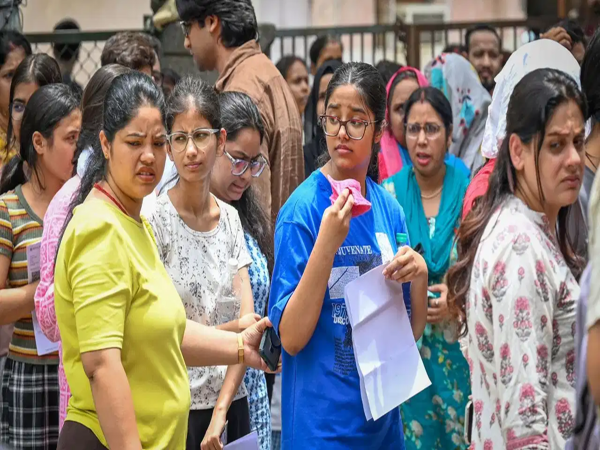
The State Bank of India successfully conducted the first shift of the SBI Probationary Officer (PO) Preliminary Examination 2026 on August 1, with lakhs of banking aspirants appearing across examination centres nationwide. The examination marks the beginning of the recruitment process for 1,500 Probationary Officer vacancies under advertisement number CRPD/PO/2026-27/09. Candidates who appeared in the morning shift reported that the paper closely followed the expected pattern without introducing any major surprises or completely new question formats. Overall, the examination was rated as moderate, with the English Language section being comparatively easier, while Quantitative Aptitude and Reasoning Ability required greater accuracy and time management.
With nearly 12 lakh candidates applying for the prestigious SBI PO recruitment this year, competition remains extremely high. The preliminary examination, scheduled for August 1 and August 2, is being conducted in four shifts each day through a computer-based online mode. Since the preliminary examination is only qualifying in nature, candidates must clear the sectional and overall cut-offs to become eligible for the Mains examination, where marks will determine the final merit list.
Overall Difficulty Level and Expected Good Attempts
Based on feedback collected from candidates immediately after the first shift, the overall difficulty level of the examination remained moderate. Most candidates found the English section manageable, while the Quantitative Aptitude section demanded careful calculations and efficient time management. The Reasoning Ability section also featured several moderate to tricky puzzles that consumed considerable time.
Experts estimate that an overall attempt between 68 and 76 questions with high accuracy could be considered a safe score for Shift 1, although the final cut-off will depend on the performance of candidates across all eight shifts.
The English Language section was considered Easy to Moderate, with candidates comfortably attempting around 27 to 32 questions out of 40. Quantitative Aptitude was rated Moderate, where candidates managed approximately 18 to 20 attempts out of 30. Reasoning Ability was also assessed as Moderate, with most aspirants attempting around 23 to 24 questions out of 30.
The examination maintained the familiar SBI PO pattern, ensuring that candidates who had prepared according to previous years’ papers found the paper largely predictable.
English Language Section Remained Comfortable for Candidates
The English Language section proved to be the most scoring part of the examination for many candidates.
A Reading Comprehension passage based on Elizabeth Mues formed one of the major portions of the section. It included direct comprehension questions along with vocabulary-based questions involving synonyms and word replacement.
A six-sentence Para Jumble appeared in the paper and was regarded as one of the comparatively challenging questions within the section because of the close contextual relationship among the sentences.
Candidates also encountered a grammar-based Cloze Test built around an astronomy-related theme. Double Fillers, Sentence Rearrangement, Error Detection and Word Replacement questions completed the section.
The distribution of questions remained balanced, allowing candidates with strong grammar fundamentals and reading skills to attempt a significant number of questions accurately within the allotted time.
Overall, candidates described the English section as straightforward and less time-consuming compared to the remaining sections.
Reasoning Ability Tested Puzzle Solving Skills
The Reasoning Ability section largely revolved around puzzles and seating arrangements, continuing the trend observed in recent SBI examinations.
One of the major puzzles involved a Circular Seating Arrangement featuring eight individuals facing both inside and outside. Another puzzle focused on Floors and Flats, involving four floors with two flats on each floor.
Candidates also faced a Selection-Based Puzzle involving eleven persons, which many described as the trickiest question set in the section because of multiple variables.
A Month-Based Puzzle with consecutive months and variable conditions required careful logical deductions, while another puzzle involved Post-Based Arrangements featuring seven different positions.
Apart from puzzles, the section included questions on Pair Formation, Meaningful Word formation and Comparison-Based reasoning.
Although none of the questions introduced completely unfamiliar concepts, candidates felt that solving multiple lengthy puzzles within limited time made this section moderately difficult.
Quantitative Aptitude Required Speed and Accuracy
The Quantitative Aptitude section continued to focus heavily on Data Interpretation and Arithmetic, maintaining the trend followed in recent SBI PO examinations.
Candidates encountered three questions based on Quadratic Equations, which were considered relatively straightforward.
The Data Interpretation segment carried significant weightage, including questions based on a Bar Graph with Table, Caselet DI, and Tabular DI.
Arithmetic questions covered conventional banking examination topics requiring conceptual clarity and calculation speed.
Many candidates felt that while individual questions were not extremely difficult, lengthy calculations increased the overall time required to complete the section.
Those with strong fundamentals in percentages, ratios, averages, profit and loss, time and work, speed and distance and number systems reported better performance in this section.
Overall, candidates rated Quantitative Aptitude as moderate because maintaining both speed and accuracy proved challenging.
No Major Changes in Exam Pattern
One of the most reassuring aspects for aspirants was the absence of any unexpected changes in the examination pattern.
Candidates confirmed that the paper closely resembled previous SBI PO Preliminary examinations, with no out-of-syllabus topics or surprising question formats.
The distribution of questions across English Language, Reasoning Ability and Quantitative Aptitude remained consistent with earlier years, enabling well-prepared candidates to approach the paper confidently.
The examination carried a total of 100 objective-type multiple-choice questions, with candidates receiving one hour to complete all three sections.
The computer-based examination proceeded smoothly across centres, with no widespread reports of technical disruptions.
Selection Process After Preliminary Examination
The SBI PO recruitment process consists of three major stages.
Candidates qualifying the Preliminary Examination will proceed to the Mains Examination, which serves as the primary merit-deciding stage.
Those clearing the Mains will subsequently appear for the Psychometric Test, Group Exercise and Interview conducted by the State Bank of India.
The final merit list will be prepared by assigning 75 percent weightage to the Mains Examination and 25 percent weightage to the Group Exercise and Interview.
Since Preliminary marks are only qualifying in nature, candidates should now focus on strengthening conceptual understanding and improving descriptive writing, banking awareness and advanced aptitude topics required for the Mains examination.
With seven more examination shifts remaining over August 1 and August 2, experts expect only minor variations in question combinations while the overall pattern and difficulty level are likely to remain largely similar. Candidates appearing in upcoming shifts are advised to revise puzzle-solving techniques, strengthen arithmetic concepts and improve reading speed, as these areas continued to dominate the first shift paper.
The post SBI PO Prelims 2026 Shift 1 Exam Analysis: Difficulty Level, Good Attempts and Questions Asked appeared first on CliQ INDIA.
-
Top 10 highest-paid players across Europe’s big five leagues: La Liga edges past the Premier League

-
Gold Price Today: Gold rose by ₹10,100 in two days, silver also became expensive..

-
NTPC Recruitment: Recruitment for Deputy Manager posts at NTPC; applications open today, August 12..

-
Applications for the NMMSS scholarship have started; apply by August 31..

-
UP NEET UG 2026: 69 candidates excluded from UP NEET UG counselling; know the reason..