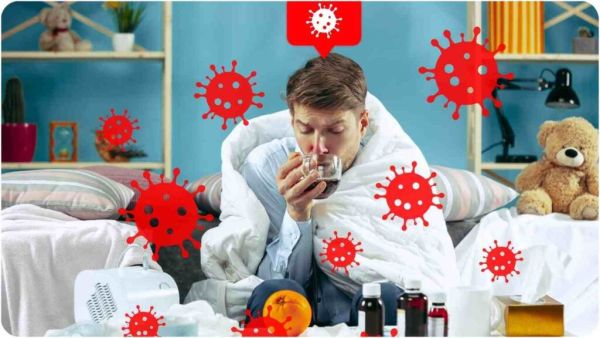
Special Health Reporter, New Delhi: The pleasant monsoon season, which brings relief from the scorching heat, also brings with it a host of illnesses. Amidst the drizzle and pleasant weather, the risk of infectious diseases suddenly increases manifold due to increased humidity, waterlogging, and contaminated food. According to health experts and doctors, bacteria, viruses, and fungi thrive during this season, leading to the rapid spread of diseases like dengue, malaria, typhoid, hepatitis A/E, diarrhea, and flu.
Children, the elderly, and those with weakened immunity are especially advised to exercise extra caution during this season. However, doctors say that with a little caution, a proper routine, and increased hygiene, these monsoon illnesses can be easily prevented. Let’s learn some monsoon health tips and the easiest ways to protect yourself, as suggested by senior doctors.
These major infectious diseases spread rapidly during the monsoon season: Identify the symptoms
According to doctors, three main categories of diseases are most prevalent during the rainy season:
Mosquito-Borne Diseases:
Dengue and Malaria: Mosquitoes breed in stagnant water, increasing the incidence of dengue and malaria. The main symptoms include high fever, unbearable joint and muscle pain, headache, and chills.
Chikungunya: This disease is also spread by mosquito bites and causes severe joint swelling and pain.
Waterborne Diseases:
Typhoid and Cholera: Consuming contaminated water or unsafe food causes Salmonella typhi bacteria to enter the body. This disease causes persistent high fever, abdominal pain, and weakness.
Jaundice and Diarrhea: Drinking contaminated water can cause liver infections, leading to yellowing of the eyes and skin, vomiting, and diarrhea.
Airborne Viral Infections:
Eye Flu (Conjunctivitis) and Viral Fever: Humidity can cause eye infections, sore throats, colds, and viral fevers to spread rapidly from person to person.
The Simplest Ways Doctors Suggest to Prevent Infectious Diseases During the Monsoon
Senior doctors and experts have provided some simple and effective tips to avoid contracting illnesses during the monsoon season:
Drink only boiled or filtered water: Water sources are most likely to be contaminated during this season. Therefore, always boil and cool water before drinking it, or use a certified water purifier. Avoid drinking open or unsafe water.
Stay away from street food: Avoid eating chaat, pakoras, cut fruit, golgappas, and sugarcane juice sold on street vendors or in the open. These attract flies, which spread bacteria that cause diseases like cholera and typhoid. Always eat fresh and hot cooked food.
Don’t let water accumulate around you: Don’t let water accumulate on your rooftops, in flower pots, coolers, or in old utensils. Stagnant water becomes a breeding ground for mosquitoes. Clean and dry coolers once a week.
Practice personal hygiene: Wash your hands thoroughly with soap and water for at least 20 seconds upon returning home from outside. Avoid getting wet in the rain; if you do get wet, immediately change into clean, dry clothes and take a warm bath.
Keep your body covered and use repellent: Wear long-sleeved clothes and full-length pants, even during the day, to reduce the risk of mosquito bites. Use mosquito repellent cream or spray when you go out.
Strengthen your immunity: Include vitamin C-rich fruits (like lemon, amla, orange), green leafy vegetables (washed and cooked), ginger, turmeric, and basil tea in your daily diet. This increases your body’s ability to fight infectious diseases.
What to do if you fall ill? Doctors’ strict advice
Doctors clearly advise against dismissing any fever or stomach infection during the monsoon season, thinking it to be minor.
If you experience a high fever, stomach cramps, vomiting, or extreme weakness for more than two days, consult your nearest doctor immediately instead of self-medication or antibiotics. Timely and appropriate testing (such as a CBC, Widal, or Dengue Card test) can prevent the disease from becoming serious.
Enjoy the pleasant monsoon weather, but be mindful of your health. A little vigilance and cleanliness can keep you and your family completely safe from monsoon illnesses.
-
From Erling Haaland’s raccoon to dreaming of Vinicius Jr at Arsenal: five ways to become a proper football nerd after the 2026 World Cup

-
NEET PG 2026: New Regulations Enhance Exam Security and Convenience

-
AP NEET UG 2026 State Rank List Released by Dr. NTR University

-
India Concludes Commonwealth Games 2026 with Impressive Medal Haul

-
India Secures Fourth Place at 2026 Commonwealth Games with 39 Medals