
Tezzbuzz Desk – The rainy season offers relief from the heat, but it can also increase the risk of various seasonal illnesses. Children, in particular, can easily fall ill due to changing weather, contaminated water, and careless eating habits. Getting wet in the rain, coming into contact with dirty water, or eating unhygienic food outside can lead to colds, fevers, and stomach problems in children.
Therefore, during the monsoon season, it’s important to pay attention to children’s hygiene and diet. A balanced diet rich in nutrients helps maintain normal immune function. In particular, fruits rich in vitamin C, turmeric, and ginger can be included in the diet depending on the child’s age and tolerance.
Children may face these problems during monsoon
Humidity and waterlogging during the rainy season can increase the risk of infection. Children may suffer from colds, coughs, fevers, and seasonal flu during this time.
Contaminated water or spoiled food can also lead to diarrhea, vomiting, and stomach problems. Mosquitoes breeding in stagnant water increases the risk of mosquito-borne diseases like dengue and malaria.
Humidity can also lead to fungal or other skin infections in children. Contaminated food and water also pose a risk of diseases like typhoid.
Vitamin C rich fruits
It’s beneficial to include seasonal and fresh fruits in children’s diets. Fruits like oranges, guavas, and papayas provide many essential vitamins and nutrients. Vitamin C, in particular, plays a vital role in the body’s normal immune system functioning.
Before giving fruit to children, wash it thoroughly with clean water. It’s better to feed them fresh cut fruit rather than storing it in the open for a long time.
Turmeric
Turmeric is used in almost every Indian kitchen. It can be added in moderate amounts to children’s curries, lentils, or other meals.
Depending on the child’s age and diet, turmeric milk can also be given. However, turmeric or any other home remedy should not be considered a cure for infection. If the child is sick, it is important to consult a doctor as needed.
Ginger
Ginger can also be included in children’s diets in moderation during the monsoon season. It can be added to dishes like vegetables, soups, or parathas.
Strong decoctions or large amounts of ginger should be avoided for young children. The dosage should be determined based on the child’s age, health, and any allergies.
What should not be fed to children during monsoon?
During the rainy season, it’s best to avoid giving children street food, especially where hygiene is unsure. Contaminated food can cause stomach infections and food poisoning. Avoid giving raw or poorly cleaned foods to children. Wash vegetables and fruits thoroughly before using them and cook them thoroughly. Leafy vegetables or vegetables that can easily harbor dirt and insects should be cleaned and cooked only after careful cleaning.
Along with diet, keep these things in mind too
Make your child habituated to washing hands thoroughly with soap after returning home from outside. Prevent him from playing in muddy, dirty, or stagnant water. After getting wet in the rain, change wet clothes and shoes quickly so that the skin does not remain in contact with moisture for a long time. To protect against mosquitoes, do not let water accumulate around the house. Use mosquito nets as needed and make sure children wear clothes that cover their body adequately when going out. Along with these small precautions, a balanced and nutritious diet can help keep children healthy during monsoon.
This article is for general information. No food guarantees complete protection against infection or disease. If your child has a high or persistent fever, vomiting, diarrhea, difficulty breathing, extreme lethargy, or other serious symptoms, consult a pediatrician.
-
Diljit Dosanjh Is Impressed by Japan’s Spotless Streets, Shares Travel Moments Ahead of Europe Tour

-
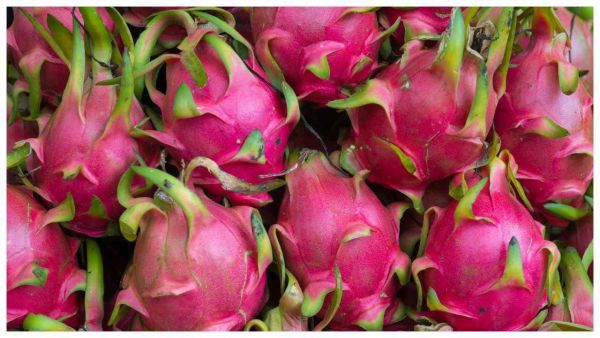
Gardening Tips: 8 Steps to Grow Exotic Dragon Fruit in Your Balcony With Ease
-
Premier League transfers completed so far: Crystal Palace suffer £52m departure as Leeds’ new rivals land giant goalkeeper

-
Too Much Phone Use? Here's How Mobile Addiction Is Making Your Neck Age Faster

-
OPINION | Talent Is Everywhere. Opportunity Isn't: Rethinking Skilling For Vulnerable Youth