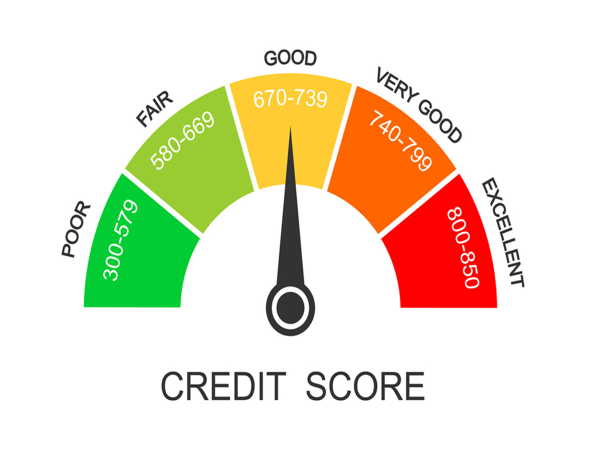
CIBIL Score: If you hold multiple bank accounts or credit cards and some of them are lying idle, it is natural to consider closing them. However, before doing so, it is important to understand how this might impact your CIBIL score.
Is it a good idea to close an old credit card?
Experts believe that closing an old credit card can affect your CIBIL score. The primary reason for this is the credit utilization ratio—which refers to your total credit card limit versus the percentage of that limit you actually use.
For instance, suppose the combined limit across all your credit cards is ₹1 lakh, and you have spent ₹20,000. In this scenario, your credit utilization ratio would be 20%. However, if you close a credit card with a limit of ₹25,000, your total credit limit drops to ₹75,000.
Now, that same ₹20,000 expenditure would push your credit utilization ratio up to 26.7%. In other words, your credit utilization ratio increases without you actually spending more—a trend banks generally view unfavorably.
What happens if you close a bank account?
Closing a savings or current account does not directly impact your CIBIL score. This is because details regarding bank accounts are not reported to credit bureaus.
However, if an auto-debit facility for a loan EMI or credit card bill is linked to that account, and closing the account halts the payment, you might miss an EMI. This could negatively affect your credit profile.
Why is a long credit history important?
The length of your credit history plays a crucial role in determining your CIBIL score. Banks tend to place greater trust in a record that is both long-standing and positive.
This is why one should avoid closing a credit card that has been well-managed over several years. If there is no annual fee attached to it, keeping it active by making occasional small transactions might be a better option.
How many credit cards should one have?
There is no fixed, ideal number of credit cards to hold. The most important thing is to ensure timely payments and responsible usage for all your cards. Holding too many cards increases the number of payment due dates and raises the risk of errors.
Therefore, you should only hold as many credit cards as you can easily manage. Accumulating credit cards just for the sake of minor offers can often lead to unnecessary hassles.
Avoid these mistakes:
Do not close your oldest credit card in haste; doing so could shorten your credit history.
Clear all outstanding dues completely before closing a card; ensure there is no remaining balance.
Do not forget to update auto-debit instructions. If EMIs or bills are currently being deducted from that specific card or bank account, make sure to switch them to another account first.
If there is no annual fee, it might be better to keep the card active by making occasional small transactions.
Avoid closing multiple credit cards at once. This can reduce your total credit limit and increase your credit utilization ratio.
Check your CIBIL report. After closing a card, verify that its status has been correctly updated in your credit report.
Disclaimer: This content has been sourced and edited from Money Control. While we have made modifications for clarity and presentation, the original content belongs to its respective authors and website. We do not claim ownership of the content.
-
Players who have shared the pitch with both Lionel Messi and Cristiano Ronaldo — and what they said in the GOAT debate

-
Find out why thousands of WhatsApp accounts were suddenly blocked

-
Delhi Govt Offers Free JEE, NEET Coaching 2027: Class 12 Students To Get One-Year Residential Programme, Food & Accommodation

-
NEET-UG 2026: 6 Candidates Move Supreme Court Over Alleged NTA OMR Sheet Discrepancies Ahead Of Counselling
-
West Bengal PhD Admission 2026: Govt Directs Universities To Scrap Entrance Tests, Use UGC-NET, CSIR-NET, GATE, CEED Scores With Interview