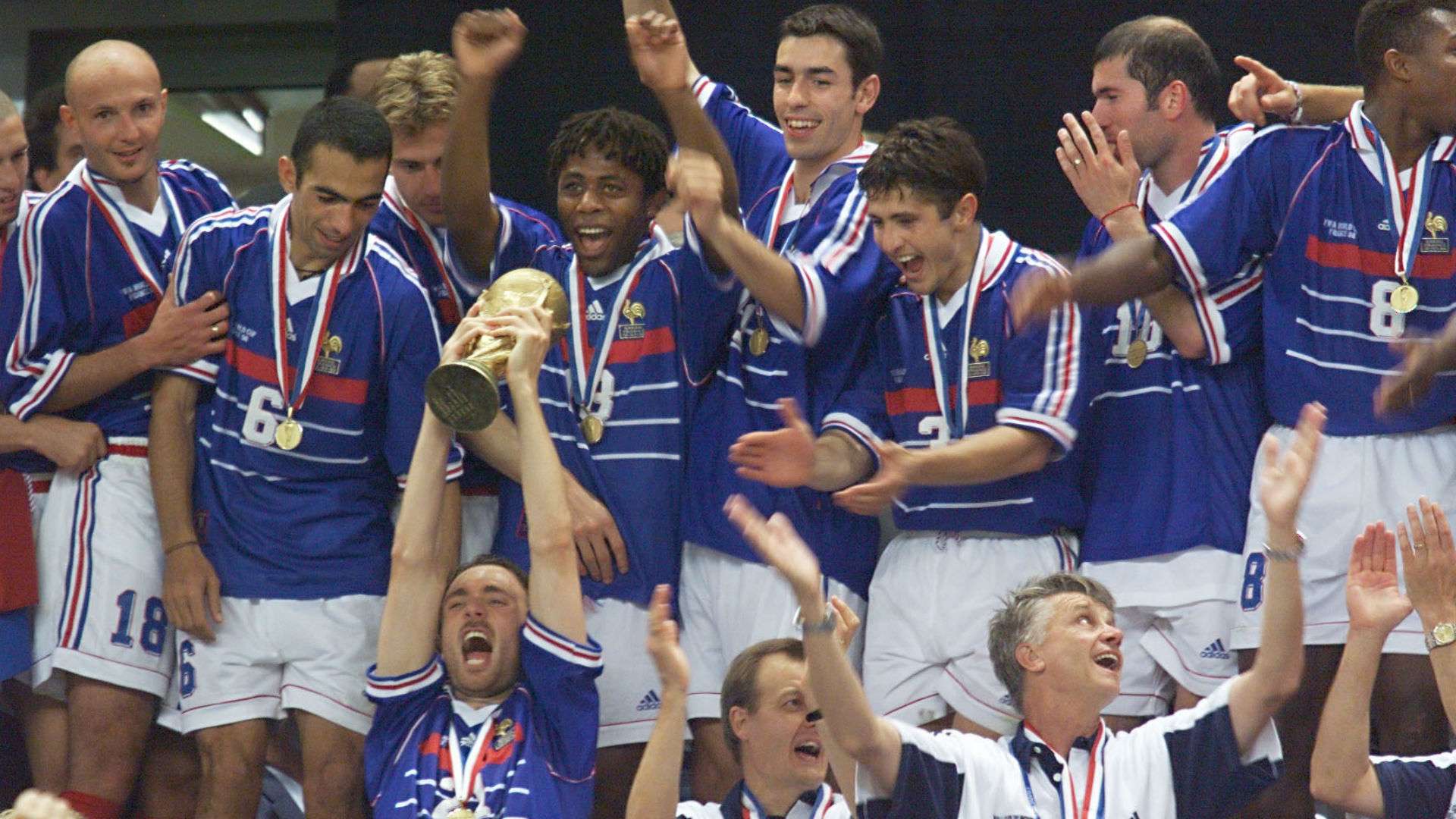
Former French Sports Minister admits drug testing for Les Bleus was suspended before their 1998 World Cup triumph.
A startling admission from former French Sports Minister Marie-George Buffet has shaken the football world, with the ex-official revealing that surprise anti-doping tests for the national team were stopped before France's 1998 World Cup success. After years of denial, she acknowledged that the government suspended the checks so as not to “disturb” the squad’s preparations for the home tournament.
Minister ends silence on doping controversy
In a disclosure that has sent shockwaves through French football, former Sports Minister Buffet has admitted that her ministry halted surprise anti-doping checks for the national team ahead of the 1998 World Cup. The statement came in a documentary called 'Zidane, the creation of a legend' and directly contradicts the testimony she gave under oath to a Senate commission in 2013, when she denied any such intervention.
The documentary centres on the rise of the iconic Zinedine Zidane, who recently took charge as France head coach after Didier Deschamps’ legendary spell in the role.
Buffet said the decision came after a period of strong tension between the government and the French Football Federation. Following an initial surprise test at the team’s training camp in Tignes in 1997, in which every player returned a negative result, the reaction from the squad was considerable. Aimé Jacquet, who was head coach at the time, and the French Football Federation (FFF) reportedly saw the tests as an unnecessary obstacle to their preparations.
Direct instructions to the medical team
Dr Alain Garnier, the doctor sent by the Ministry of Sports to carry out those tests in Tignes, gave an account that backed up the sequence of events. He said Buffet personally confirmed the order to stop the testing.
According to Garnier, the message was unambiguous: “I should not bother the French team any more until the World Cup. In other words, no surprise controls.” He added that the instruction was delivered only verbally, most likely to avoid leaving any written trace during such a sensitive period for the host nation.
When faced with the doctor’s version, Buffet accepted the point, saying: “If Dr. Garnier says so, then yes, it must be true.” She admitted that while she could not remember the exact wording, the meaning was the same. “We didn't say it like that, but it amounts to the same thing. It was a step back,” she confessed.
How the suspension of testing began
The origin of the order appears to have gone beyond the Sports Ministry itself. Buffet indicated that the move to stop testing was not hers alone, suggesting it likely came from the Prime Minister’s office. “We must have received instructions from the ministries,” she said when asked who ultimately decided to stop the anti-doping programme.
Ironically, Buffet went on to become a major figure in the anti-doping movement soon after the tournament. In 1999, she backed the first major law structuring the fight against doping in France. Explaining that change in stance, she said: “And after the World Cup, we resumed the fight.”
The minister had earlier said she was under “all kinds of pressure” during the build-up to 1998, but her latest remarks are the first time she has acknowledged that she actively helped suspend the very rules she later played a part in writing into law.
A legacy facing fresh scrutiny
The reaction to the confession has been immediate in France, where the 1998 World Cup victory is regarded as a defining moment in the history of the modern national team. Buffet’s earlier sworn statement is now being closely examined, as she had previously told the Senate: “We never gave any directive in that sense.”
The timing of the documentary also comes during a transitional phase for Les Bleus, with the influence of the 1998 generation still hanging heavily over the current set-up. While legendary figures from that era, including Zidane and Deschamps, have moved into management, these administrative disclosures offer a different perspective on the environment in which their greatest achievement as players was built.
-
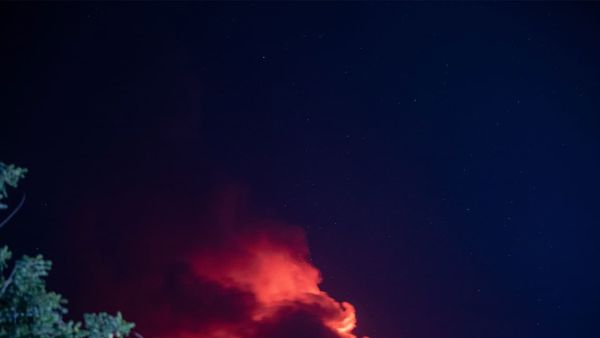
Fuego volcano eruption triggers nationwide orange alert in Guatemala
-
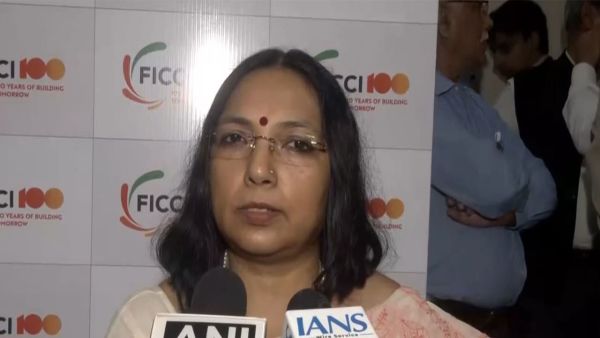
Govt issues over 60 notices to hotels on service charge complaints
-
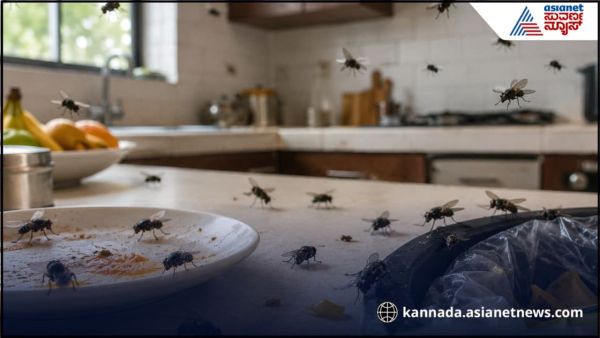
Housefly Problem during monsoon? Try This Natural Water Mixture to Keep Flies Out of Your Home
-
CRPF jawan kills two colleagues, shoots self dead at Assam camp

-
SpaceX Earnings Today: Analyst Sees ‘Identity Crisis’ As SPCX Stock Enters First Results After $500B Wipeout