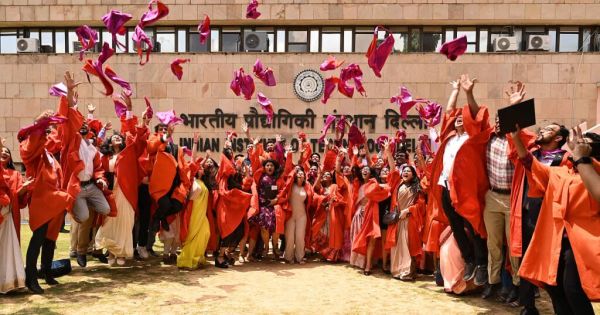
Over the same time, women from SC communities registered a two-thirds rise, ST women saw an impressive two-fold increase and OBC women recorded a growth of about 72 percent. The numbers clearly indicate a broad-based democratisation of higher education, not an urban or elite phenomenon.
The second reason for the increased participation of women is broader institutional support. At the latest count, India had 1,289 universities, 48,426 colleges and 15,221 standalone institutions. There were 18 universities exclusively for women, compared with 11 in 2014-15. There were 4,787 colleges exclusively for women.
Still, is access by itself sufficient? Is the system only focused on increasing seats? Is it building mechanisms to connect education with employment? Shouldn’t a degree help a young woman enter work and advance in her career? These are questions that need to be taken seriously.
But this is where current reforms are important. PM Uchchatar Shiksha Abhiyan (PM-USHA) aims to strengthen state higher education, with the explicit target of enhancing employability through market-linked courses, industry collaborations, internships, apprenticeships, skill-based modules, open and distance learning, accreditation support and outcome monitoring. Many states are already benefiting from the scheme.
-
Manchester United’s Tyler Adams interest explained as Bournemouth midfielder remains on radar

-
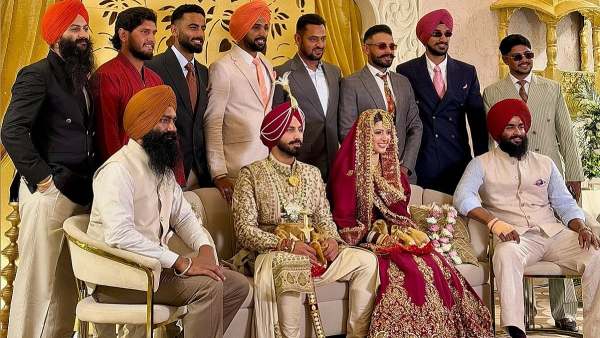
Arshdeep Singh, Naman Dhir, Ashwini Kumar Attend KKR Star Ramandeep Singh's Wedding With Actress Charlie Chauhan
-
ORN.com Brings Europe Travel Story To Millions Through India-Sri Lanka Test Series Partnership

-
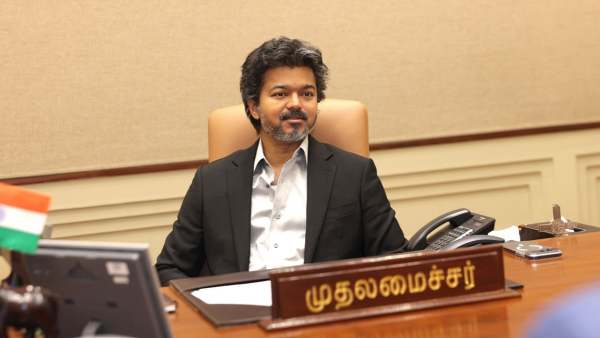
Tamil Nadu CM Vijay Urges PM Modi To Retain Class XII Marks-Based BVSc Admissions, Opposes NEET
-
Manchester United must ‘break the rules’ for Bruno Fernandes, says Michael Owen as contract talks over Red Devils captain continue