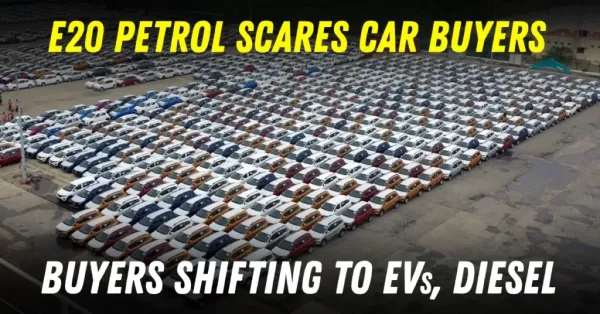
Panic to India’s E20 (20% ethanol-blended petrol) push has reportedly started to have an effect on passenger car sales. Data from July shows a sharp drop in petrol car sales. More buyers are now considering alternatives like CNG and EVs. Demand for diesels has resurfaced. Dealers attribute this shift to the consumers’ growing anxiety over ethanol-blended petrol. Uncertainty of the future direction that the government may take with the blending program further adds to this.
Dealerships have reported a rise in unsold inventories. The reason this time, is not , however, weak demand. The market has posted healthy momentum overall. The difference is in the fuel preference.
Data from the Federation of Automobile Dealers Associations (FADA) shows that more than 25 percent of dealership inventory is now aged between 60 to 70 days or more. This is significantly higher than the normal cycle of 30 to 33 days. FADA recommends that inventory should ideally be maintained at around 21 days.
Wholesale dispatches in July stood much higher than retail sales. This has resulted in the pile-up. Last month, a total of 4.69 lakh units were dispatched to dealers. Retail sales, on the other hand, stood at 4.16 lakh units. This translated to an excess inventory of over 52,000 vehicles.
The fuel preferences have had a drastic change. Buyers are reportedly moving away from petrol vehicles due to concerns over ethanol blending.
According to FADA, the gap between petrol and alternate fuel vehicles has almost disappeared. Earlier, petrol had a clear lead of 13 percent. Now, petrol holds 41.68 percent share, while alternate fuels have reached 40.59 percent. At this pace, alternate fuels are expected to overtake petrol within a month or two- Sai Giridhar, Vice President, FADA, told Bussiness.
We live in uncertain times. At least when the conversation is about India’s ethanol-blending program. E20 rollout has created much panic and concerns among existing car owners and the government’s ambitions to raise the blending levels are making potential car buyers scared. Due to this panic, many move to diesel, EVs or CNG, as they are less vulnerable.
Dealers say this sudden change has left them with unsold petrol cars, even though overall showroom footfall and demand remain healthy.
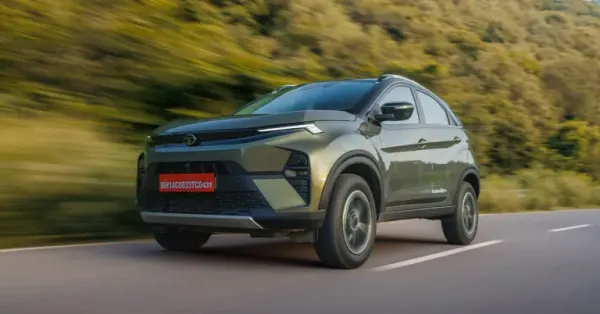
Interestingly, diesel vehicle sales are gaining momentum, once again. In July, diesel vehicles held a market share of 17.73 percent. 1.4 percent more than the previous period.
This comeback is likely linked directly to E20 concerns. Buyers are showing more confidence in diesel because it stays unaffected by ethanol blending- at least, for now. The government, on the other hand, is now preparing to blend Isobutanol in diesel.
Manufacturers have also confirmed the trend. Tata Motors has reported a noticeable rise in diesel demand within its portfolio. Diesel SUVs, especially around the Rs 15 lakh price range, remain popular due to their strong low-end torque and better fuel efficiency. Shailesh Chandra, Managing Director of Tata Motors Passenger Vehicles and Tata Passenger Electric Mobility, confirmed to the publication.
FADA conducted an internal survey to find out the severity of the issue. Historically, only 5 to 10 percent of inventory remained unsold for long periods. Now, this figure has jumped to around 25 percent.
This build-up is the result of two factors. First, manufacturers and dealers have not fully aligned their production and dispatch planning with the changing demand. Automakers may now need to adjust production strategies, focusing more on CNG and electric vehicles.
Second, the shift in customer preference has been faster than expected. Unsold petrol vehicles are reportedly getting the dealer capital locked.
To clear the growing stock, automakers are offering significant discounts on petrol models. Popular cars such as the Hyundai Grand i10, i20, Tata Nexon, Kia Sonet, and Carens Clavis are currently being sold with discounts of up to Rs 95,000.
Dealers are also holding unsold 2025 model-year vehicles, where discounts are even higher. In some cases, offers exceed Rs 1.5 lakh. For example, the 2025 Tata Curvv is available with discounts of up to Rs 3.5 lakh. These offers will likely help in clearing the stock and in maintaining the overall sales momentum.
-
Chelsea put massive asking price on Pedro Neto amid Saudi interest

-
Manchester City pull out of move for Chelsea’s Pedro Neto after Al Hilal reach agreement: report
-
Green chuda in hand, red forehead ticked….! Auspicious Wishes of Mangalore, Nandel Happiness and Prosperity with Goddess' Blessings

-
Rodri transfer news: Manchester City accepts Barcelona bid — reports
-
Who Is Yael Trepy? French Footballer in Intensive Care After Swimming Accident