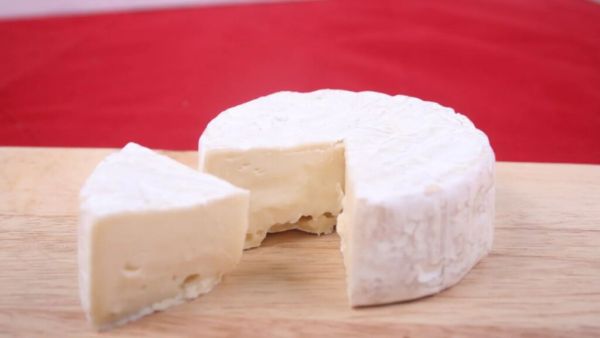
Paneer is one of the most widely consumed dairy products in India. From palak paneer and matar paneer to paneer tikka and chilli paneer, it forms the foundation of countless restaurant dishes and home-cooked meals. Traditionally, paneer is made by heating milk and adding an acid such as lemon juice or vinegar to separate the curds from the whey. The curds are then pressed into a firm block rich in protein and other dairy nutrients.
However, in recent years, another product that closely resembles paneer has entered the market: analogue paneer.
While it may look and even taste similar to traditional paneer, analogue paneer is fundamentally different in its ingredients, nutritional value, and production process. The product has recently come under increased scrutiny, with several Indian states taking action against its manufacture and sale.
Why Are States Cracking Down On Analogue Paneer?
Several states have now taken action against analogue paneer.
Maharashtra, Gujarat, Chhattisgarh, Uttarakhand and Madhya Pradesh have placed a strict ban on the manufacture, storage and sale of unstandardized analogue paneer products.
Recently, Madhya Pradesh Chief Minister Mohan Yadav announced a crackdown on analogue paneer, stating that the state would focus on encouraging natural milk production and dairy-based paneer manufacturing. Authorities say the objective is to protect consumers and prevent misleading food practices.
What Is Analogue Paneer?
The term “analog” refers to something designed to resemble or imitate another product. In the case of analogue paneer, the product is created to mimic the appearance, texture and cooking properties of traditional paneer without relying entirely on milk.
Ingredients Of Analogue Paneer
Unlike real paneer, which is made from milk, analogue paneer is typically manufactured using a combination of vegetable oils, starches, emulsifiers and other additives. These ingredients are blended to achieve a similar texture and appearance to dairy-based paneer.
Its lower production cost has made it popular in some segments of the food industry, particularly where price sensitivity is high.
How Is Analogue Paneer Actually Made?
Milk contains fat and milk solids that contribute to paneer's flavour, texture and nutritional profile. These ingredients are also among the costliest components in paneer production.
In analogue paneer, manufacturers replace:
- Milk fat with lower-cost vegetable fats or oils
- Milk solids with starches and other ingredients
This substitution allows producers to create a paneer-like product at a significantly lower cost. The result may resemble paneer visually and perform similarly during cooking, but its composition is different from the traditional dairy product.
Analogue Paneer vs Real Paneer: Huge Price Gap
The key reason analogue paneer costs less is the replacement of expensive dairy ingredients with cheaper alternatives.
For commercial buyers, real paneer typically costs around Rs 260 to Rs 450 per kilogramdepending on quality and region. Analogue paneer, on the other hand, is often available for approximately Rs 150 to Rs 250 per kilogram.
This price difference has made it an attractive option for some commercial kitchens and bulk food suppliers.
Analogue Paneer vs Real Paneer: Nutritional Differences
Nutrition experts often point to significant differences between traditional paneer and analogue paneer.
Real paneer is naturally rich in dairy protein, calcium and other nutrients found in milk. Analogue paneer, however, derives much of its structure from vegetable fats and starches rather than dairy solids.
To replicate the texture and whiteness of traditional paneer, analogue paneer may be made using ingredients such as starch, vanaspati and synthetic milk solids. Health experts caution that regular consumption of such products may disrupt gut microbiota, trigger inflammation and increase exposure to potentially harmful compounds.
Is Analogue Paneer Legal?
Under food safety regulations, products marketed as dairy alternatives can be sold as long as they are clearly labeled and do not mislead consumers. The problem arises when analogue paneer is sold or served as traditional dairy paneer without proper disclosure. Food safety authorities view such practices as misleading and a form of consumer fraud because buyers may assume they are purchasing a dairy product when they are not.
Who Sells Analogue Paneer?
Major organized dairy brands such as Amul, Gowardhan, Milky Mist and iD Fresh do not market analogue paneer as a substitute for traditional paneer. Reports and product testing have consistently identified their paneer offerings as dairy-based products.
Analogue paneer is more commonly associated with parts of the unorganized sectorincluding some local dairies, bulk suppliers and food service operators catering to cost-conscious commercial markets.
The issue attracted public attention in 2024 when an The post highlighted the growing presence of the product in commercial food supply chains.
What Should Consumers Know?
Food experts emphasize that analogue paneer is not necessarily unsafe when manufactured according to food safety standards and labeled correctly. The key concern is transparency.
Consumers have the right to know whether the product they are purchasing or being served is traditional dairy paneer or a non-dairy substitute. As regulatory scrutiny increases across India, greater attention is being placed on accurate labeling and disclosure practices.
For consumers, understanding the difference between real paneer and analogue paneer can help them make informed choices about both nutrition and value for money.
-
Know this before installing solar panels! How long will it take to recover the cost?

-
What drains the most battery on a smartphone?

-
73% of students drop out before completing Class 12: Parliamentary committee report reveals

-
Post Office Scheme: This government scheme is a money-printing machine; deposit just ₹200 to get ₹4 lakh..
-
Major Changes to DU History Syllabus; Several Papers, Including One on the Delhi Sultanate, Dropped