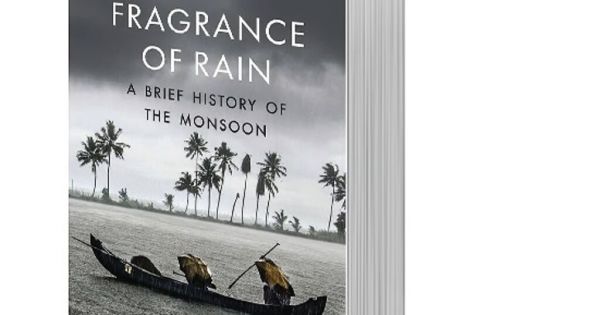
Since the rains continue to play truant, Alter takes us to Goa, where he lives part of the year. Here he links the monsoon to a homecoming by travellers, when they return home before the seas grew too rough for safe passage, roads were mired in mud, bridges and embankments were washed away, towns and villages marooned. Just as the monsoon pauses, so do the author and reader. In this pause, we learn of the origins of the monsoon as per Vedic mythology as the titanic conflict between Indra and the demon Vritrasura. We read that astrologers trace the arrival of the monsoon as coinciding with the sun’s passage through the Mrigashira (deer’s head) constellation. We see that Teej, Naga Panchami, Ganesh Chaturthi, all religious events tied to the climate, venerate water as an essential element of life.
This being Stephen Alter, we read of the many species that evolved driven by the cycle of annual rains. We learn that the once regular orchestra of frogs during the rains in Goa has now fallen silent, fallen prey to over built-up towns. Then we go herping in the rains, to look closely at varied snakes, including the rare caecilian, as well as frogs, owls, and some bioluminescent fungi.
For all the lyrical tilt of the title, this is not really a romantic look at India’s monsoons. Rather, it is a keen look at the elemental force, the creatures that emerge with the rains, the disasters that inevitably take place. Any romantic reference to the rains is made in oblique fashion, as when we are told of the sweet, slightly musky odour that fills the air after a storm, fresh yet with a hint of decomposing leaves and carrying a sensual, alluring perfume.
-
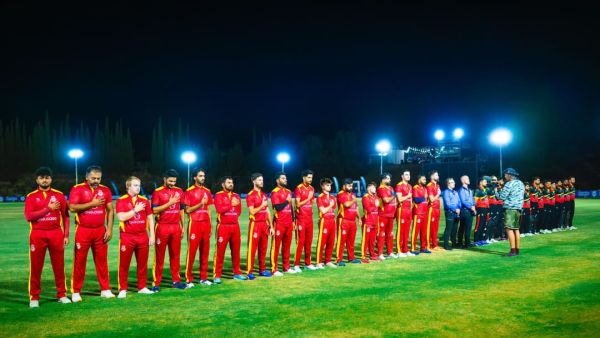
21 Wins In A Row! Spain Cricket Team Breaks Australia’s Historic Record
-
Three IndyCar champions hit the wall in Markham qualifying as Foster claims second career pole

-
IndyCar’s Markham Street Course Gets FIA Clearance After Delays

-
Recipe : No manchurian chili this time make flower chili, note the recipe

-
Sugar: a dangerous sweet poison for children