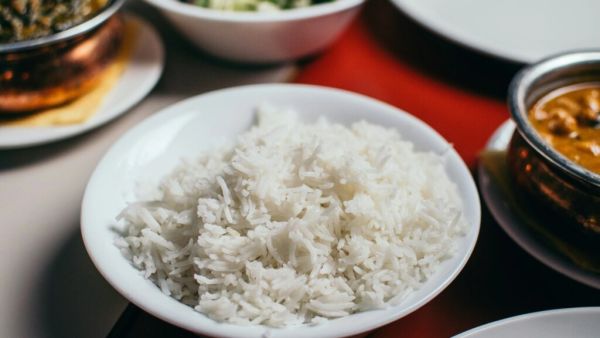
Rice is almost always associated with boiling water, steaming pots and time spent in the kitchen. But in Assam, a traditional rice product has been enjoyed for generations without any of that. A simple soak is all it takes to make it ready to eat, making it one of the country's most fascinating traditional foods. Long before convenience foods became commonplace, this unique preparation offered a quick and practical meal while remaining deeply rooted in local food culture.
Komal Saul Can Be Eaten Without Cooking
Photo: Unsplash
Komal Saul, also known as Komal Chaul, is a traditional rice preparation from Assam that can be eaten after simply soaking it in water. The name literally translates to “soft rice”. It is made from Chokuwa rice, a low-amylose variety traditionally grown in the state. During processing, the rice is parboiled and dried, allowing it to become edible once rehydrated.
How Does Komal Saul Need No Cooking?
Unlike regular raw rice, Komal Saul does not need to be cooked over a flame. Research shows that the processed rice can become soft enough to eat after soaking in warm water for around 20-25 minutes. Traditional accounts also describe soaking it in cold or lukewarm water.
The reason lies in its low amylose content. Amylose is one of the starch components that influences the texture of rice. The characteristics of Chokuwa rice allow the processed grain to absorb water and soften much more easily than conventional rice varieties.
How Is It Eaten?
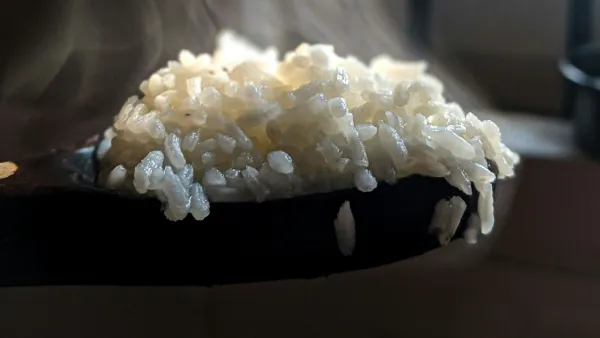
Photo: Unsplash
In Assam, Komal Saul is traditionally part of jolpaan, a breakfast or light meal. The soaked rice can be paired with curd, jaggery, milk, banana, mustard oil, onions, pickles or other local accompaniments, depending on the preparation. It is also commonly served during social and religious occasions.
The combination of rice with curd and jaggery is particularly popular, turning the simple soaked grain into a filling traditional breakfast.
Why Was It Useful?
Its soak-and-eat nature made Komal Saul especially convenient for farmers and others who needed a quick meal without spending time or fuel cooking rice. It has also been described as a practical ready-to-eat food in situations where cooking facilities may be limited.
Unlike commercially produced instant rice, however, Komal Saul is a traditional food that has been part of Assamese culinary culture for generations. It is not raw rice that cooks on its own. Instead, the grain undergoes a specialized processing method that allows it to be rehydrated and eaten after soaking.
A Traditional Assamese Food With GI Recognition
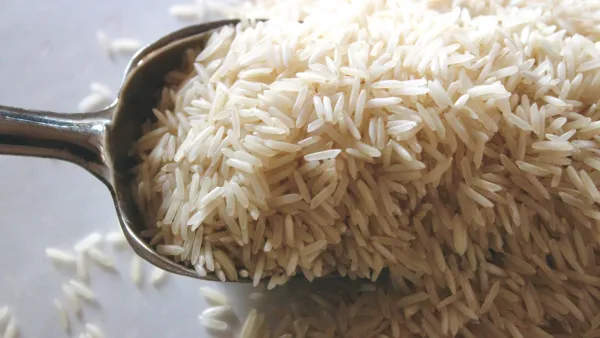
Photo: Unsplash
Komal Saul has also received a Geographical Indication (GI) tag, recognizing its unique association with Assam and helping protect the traditional product. The recognition highlights the cultural and agricultural significance of a food that has long been part of the state's culinary heritage.
Today, this distinctive Assamese rice tradition is attracting renewed attention beyond the region. Efforts are also underway to make Komal Saul more widely available as a packaged product, introducing a new generation of consumers to a food that has been enjoyed in Assam for centuries.
-
Barcelona identify Sporting CP striker Luis Suarez as backup option, with Hansi Flick approving move

-
The compromise Bayern Munich may have to make to renew Harry Kane's contract

-
Leicester City put up for sale ahead of new EFL season: report

-
Hariyali Teej 2026: Decorate Teej puja thali with household items, it will look very beautiful.
-
This Traditional Indian Rice Needs No Cooking, Just Soaking