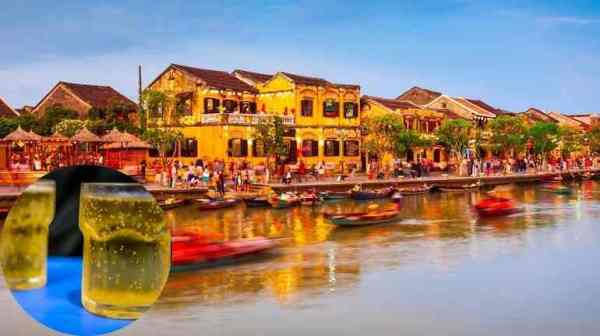
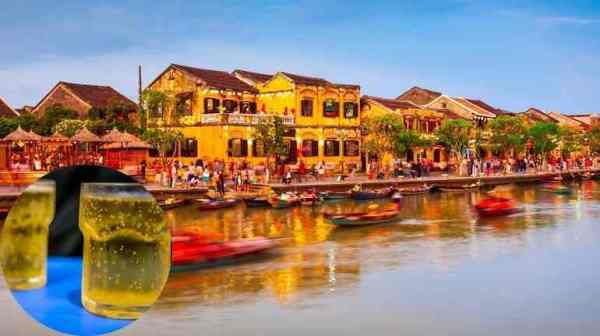
In this era of inflation across the world, where ordering a drink or cocktail in any pub, bar or restaurant proves to be more expensive than an entire dinner, there is a country on the world map where the cost of drinking alcohol is less than an ordinary bottle of mineral water. Vietnam, a popular and very beautiful tourist destination in South-East Asia, is famous among tourists and backpackers around the world for its natural beauty, delicious street food and above all 'the cheapest beer in the world'. It is a common sight on the streets of Vietnamese cities—especially the capital Hanoi and Da Nang—that a 500 ml sealed packaged drinking water bottle will cost you around 30,000 Vietnamese dong (about ₹90 to ₹100 Indian Rupees). But at the local stalls along the same road, a full glass of freshly brewed beer is happily handed over for just 5,000 to 10,000 dong (about ₹18 to ₹32). That is, for the same price you buy an ordinary bottle of water to quench your thirst, you can enjoy three to four glasses of fresh beer there. What is 'Biya Hoi'? The Science of Fresh Draft Beer Prepared Every Morning This cheap beer of Vietnam is called 'Bia Hoi' in the local language, which literally means 'Fresh Draft Beer'. This is not an ordinary bottled or canned beer with preservatives. Highlights of Bia Hoi's creation and popularity are as follows: Brewed Daily: Bia Hoi is naturally fermented each night in local breweries with a simple mixture of rice and barley. It is packed early in the morning in large steel drums and kegs and delivered to all the sidewalk vendors in the city. Zero Preservatives and Low Alcohol: Since no chemical preservatives are added to it, its shelf-life is only 24 hours. By evening it is completely consumed and finished. Its alcohol content is only 2% to 3%, which is quite light and refreshing compared to common commercial beer (5% to 8%). Zero packaging and branding costs: Bia Hoi is not packaged in glass bottles or aluminum cans, nor does it cost crores of advertising dollars to promote it. Being served in glass jugs or mugs directly from the casks, its production and distribution costs are negligible. Why is water so expensive and beer so cheap? Understand the economic mathematics behind this. At first glance, it may seem strange to anyone that how water given by nature can be costlier than alcohol. But behind this are the simple economics of Vietnam's tax structure, water security and logistics: Tap water not being potable: Municipal tap water in most cities in Vietnam is not considered safe to drink directly. Therefore citizens and tourists have to completely depend on bottled mineral water. The price of a 500ml water bottle reaches up to 30,000 dong (~₹96) due to water purification (RO/Filtration), plastic bottling, transportation and retailer margins. Extremely low taxes on local draft beer: The government of Vietnam views locally produced unpackaged bia hoi as a 'cottage industry' and traditional drink. Luxury or 'Sin Tax' is not imposed on it, whereas heavy tax is levied on foreign and canned liquor. Abundance of local rice: Vietnam is among the world's largest rice exporters. In the manufacture of bia hoi, cheap local rice is used instead of expensive malted barley, which greatly reduces raw-material costs. Sidewalks, small blue plastic stools and Ta Hien Street: Vietnam's unique social tradition Drinking bia hoi in Vietnam is not just a means of getting drunk, but it is the most important part of the centuries-old social culture and communal living there. As evening falls, hundreds of locals, office workers and foreign tourists sit on small blue and red plastic stools spread out on the sidewalks and enjoy beer on Hanoi's famous 'Ta Hien Street' (Beer Corner) and Ho Chi Minh City's 'Bui Vien Street'. There is no VIP lounge or AC cabin here. Strangers sitting at the same table clink mugs of bia hoi with peanuts, roasted prawns, fried tofu or pork rolls and, in Vietnamese tradition, loudly "Mot, hi, ba… yo!" (One, two, three…cheers!) Here beer is not to getting drunk, but to relieving the tiredness of the day and sharing happiness and sorrow with each other. Free beer instead of welcome drink in hotels: Know the culture of other countries. In many 3-star and 5-star hotels and resorts of Vietnam, guests checking in are given free local beer kept in the fridge (Complementary Minibar) instead of mineral water. Beer is also considered an essential part of social life in many other countries in Asia and Europe: Czech Republic and Germany: Local Pilsner beer is often cheaper than a bottle of water in Prague, the capital of the Czech Republic, where beer has the status of 'liquid bread' and cultural heritage. In Bavaria, Germany, beer is seen as a complement to food. Japan: Many business hotel chains in Japan serve free and unlimited draft beer to their guests for 1 hour in the evening. Caribbean and Mexico: All-inclusive resorts in Mexico and the Dominican Republic have complimentary beer and soda refilled daily in in-room mini-bars. World's Most Expensive vs Cheapest Countries: The Tax Game While beer in Vietnam can be had for ₹18 to ₹35, the heavy taxes on alcohol in the Middle East and Nordic countries make it the world's most expensive drink: Qatar: The price of a pint of beer in Qatar ranges from ₹950 to ₹1,200 ($11-$14) due to the 100% sin tax and stringent import duties. Iceland, Norway and Dubai: Due to strict government liquor monopoly and health tax in these countries, one has to pay ₹ 850 to ₹ 1,000 for a beer. India (Goa): The cheapest liquor and beer in India is found in Goa, where beer is available at a much lower price than other states due to low excise duty. This 'Bia Hoi' tradition of Vietnam proves that the food culture of a country is not just a means of luxury, but it is a unique combination of availability of local resources, low taxes and people's culture. If you ever visit Vietnam, sitting on that little plastic stool on the sidewalk and sipping a fresh Bia Hoi for ₹32 is an experience you will remember forever.
-
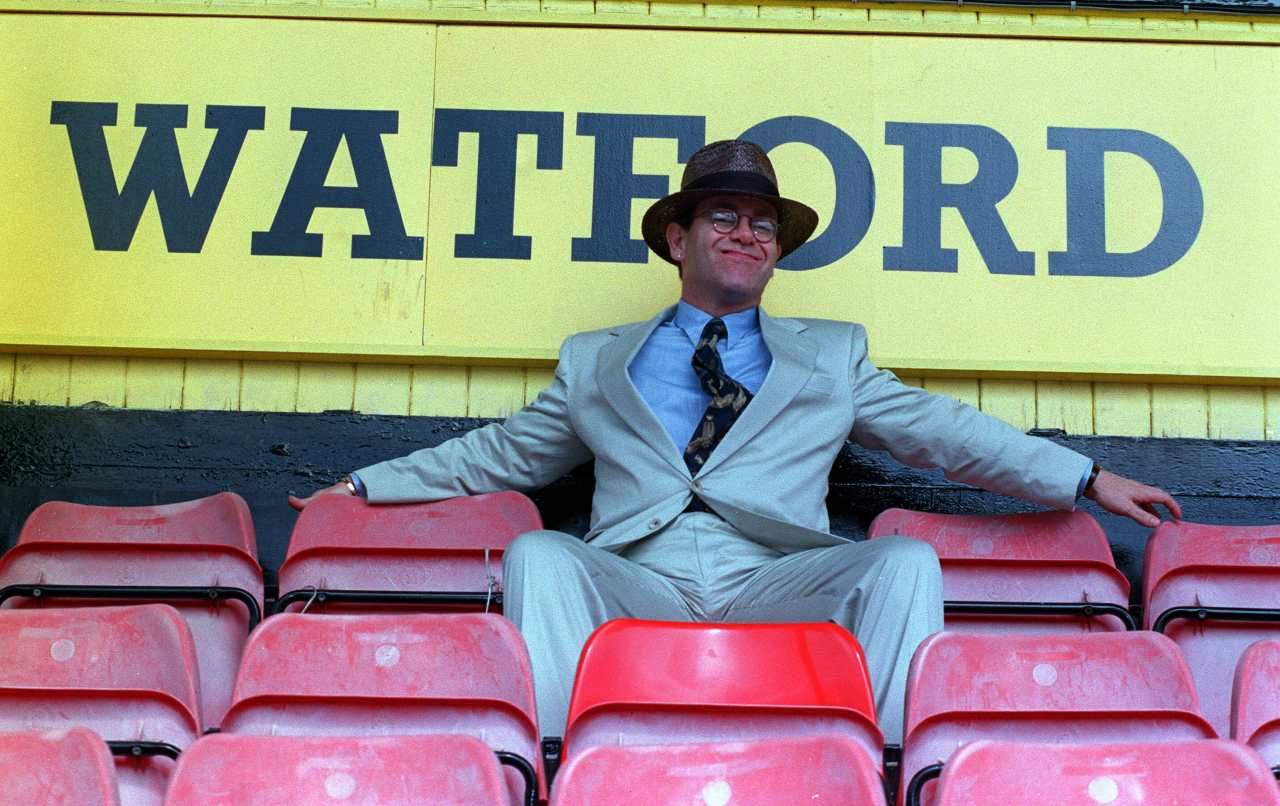
How Elton John’s long and remarkable bond with Watford shaped the club’s golden years
-
Proud to be 'dimagi Naxal': Cong's P Chidambaram hits back at PM

-
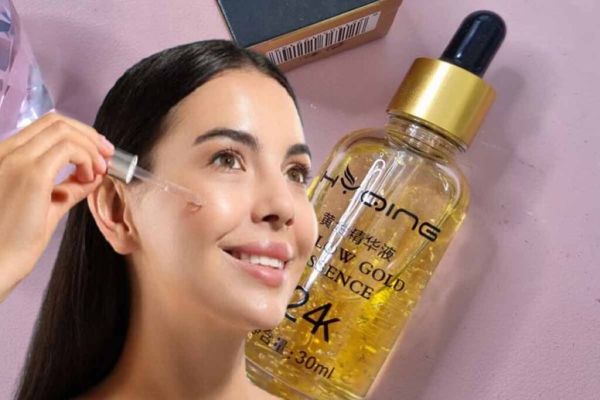
Beauty with gold! Have you ever bought '24 Carat Gold Serum'? A small mistake can cause a big loss
-
Central government to organize road show in Patna for eighth phase of 'Critical Mineral Block' auction

-
Anthropic CEO says AI backlash is ‘fundamentally a crisis of trust’