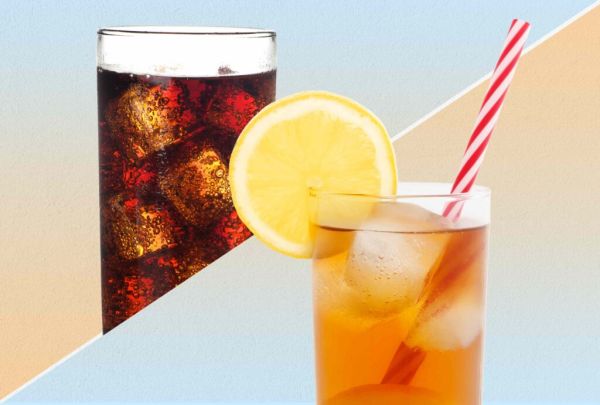
Should you go with sweet tea or soda? Or neither?
Reviewed by Dietitian Katey Davidson, M.Sc.FN, RD, CPT
Key Points
- Sweet tea and soda can both cause rapid blood sugar spikes.
- Choosing low- or no-sugar drinks can better support blood sugar management.
- Water, unsweetened tea and prebiotic soda are lower-sugar alternatives.
Many of us are becoming more mindful about consuming a diet that supports balanced blood sugar. But while we may know how to build a balanced plate, it’s easy to overlook what’s in our glasses.
When it comes to blood sugar management, sugar-sweetened beverages are high in simple sugars, which can lead to a rapid rise in blood sugar. While the occasional sweetened drink is likely fine, having too much too often can contribute to poor blood sugar regulation and may, over time, increase your risk of type 2 diabetes.
But here’s the question: Are all sugar-sweetened beverages created equal? And if you’re choosing between popular options, like soda or sweet tea, which should you choose? We asked a few registered dietitians and diabetes educators to weigh in.
Sweet Tea & Blood Sugar
Given its name, it’s safe to assume that sweet tea has plenty of added sugar.
“Sweet tea affects blood sugar by causing a rapid rise in blood sugar levels. This is because the sugars in sweet tea are simple sugars, which digest and absorb into the bloodstream quickly,” shares Andrea Copeland, M.S., RD, LD, CDCES.
This rapid absorption sends your blood sugar skyrocketing. Your body responds to this spike by releasing insulin, which helps move glucose into your cells. Copeland notes, “A rise in blood sugar above the normal range every now and then shouldn’t harm our bodies too much, but repeatedly raising our blood sugars into a high range can damage the blood vessels and organs throughout our body. This can lead to conditions like diabetes.”
Sheila Patterson, RD, CDCESadds, “Many restaurant and bottled sweet teas can contain the equivalent of several teaspoons of added sugar in a single serving, and because beverages are easy to consume quickly, it can be easy to take in more sugar than intended.” It’s true: A medium-size drink (about 16 ounces) of sweet tea contains around 39 grams of sugar, which is almost 10 teaspoons.
To put this into perspective, the American Heart Association recommends men and women limit their added sugar intake to 36 grams (9 teaspoons) and 25 grams (6 teaspoons), respectively. This means just one drink can put you over this recommendation.
Fortunately, this doesn’t mean you have to give up sweet tea completely. Instead, look for options with less sugar or that are sugar-free. “When sweet tea is made with less sugar or a sweetener that is free of carbohydrates such as monk fruit, stevia or Splenda, it will have no or a smaller impact on blood sugar,” says Sheri Gaw, RDN, CDCES.
Soda & Blood Sugar
“Soda is often one of the highest-sugar sources for sugary drinks, making consumption more conducive to blood sugar spikes and long-term health challenges,” says Patterson.
The sugar content in soda can vary depending on the brand and type. For instance, a medium cola has around 51 grams of added sugar (12.5 teaspoons), while a medium cream soda can have as much as 68 grams (17 teaspoons). Keep in mind that this is for a medium soda, meaning if you order a large or extra large—which isn’t uncommon—you could consume even more added sugar.
Copeland suggests cutting back before going cold turkey. She notes, “Decreasing the number of sodas we drink each day or week can help to improve blood sugar levels and our overall health.”
Gaw adds that consuming a simple balanced meal along with your soda can even help. “Reducing sugar-sweetened soda portions and pairing it with foods that contain protein, fiber and healthy fats, such as a handful of nuts or a 3-ounce portion of chicken or fish, can help to slow digestion and the release of sugar into the bloodstream,” she shares.
Otherwise, you can always choose a diet soda. “Diet and zero-calorie sodas are made with artificial sweeteners or sugar substitutes, which contribute no calories and impact on blood sugar,” Gaw explains.
Which Is Worse?
When it comes down to which is worse, it’s clear that both have a similar negative effect on blood sugar. “Drinking high-sugar drinks, whether soda or sweet tea, generally causes a rapid increase in blood sugar levels,” says Copeland. “These drinks are easy for our bodies to digest and absorb, resulting in a faster rise in blood sugar compared to eating solid food.”
Ultimately, neither beverage is ideal for blood sugar management. While sweet tea is often slightly lower in added sugars, it’s still a significant source.
If you do want to enjoy sweet tea or soda, look for low- or no-sugar options. Alternatively, consider smaller sizes or only drinking half at a time.
Healthier Drink Options
Instead of a sweetened drink, there are other options that better support blood sugar management.
- Flavored Water. Dietitians agree that water is the best option. “If you want something with flavor, add fresh fruit or herbs to your water. For example, mint, cucumber slices and lemon wheels can add an extra freshness to your water,” shares Copeland. “If you crave some bubbles throughout the day, try sparkling water instead of a soda.”
- Prebiotic Soda. Thankfully, the knowledge around sugar-sweetened sodas has led to the rise in production of better alternatives, such as prebiotic sodas. Gaw notes, “[They] are made with fiber and less sugar and calories so they have a much smaller impact on blood sugar increases.” Many of these sodas are made with sugar alternatives like stevia or monk fruit, so they don’t cause blood sugar to rise as high.
- Unsweetened Tea. Unsweetened tea doesn’t have the same effect on blood sugar as sweet tea. However, if the jump to unsweetened tea from sweet tea is too stark, “Try diluting your sweet tea with regular tea,” suggests Gaw. “For example, fill your glass halfway with sweet tea and the other half with regular tea. This helps your taste buds slowly adjust to the less sweet flavor while also decreasing that rapid rise in blood sugar.”
Our Expert Take
When it comes to blood sugar, neither sweet tea nor soda is the best option due to their high added sugar content. While both can be enjoyed on occasion, regularly drinking these beverages may negatively impact your body’s ability to manage blood sugar over time.
Instead, opt for low- or no-sugar options and keep portion sizes small. Even better, choose water instead, whether plain, infused or sparkling. If you’re craving something similar to a soda or sweet tea, prebiotic sodas and unsweetened teas are also great choices.
-
IIT Kharagpur outreach network launches Texas AI Learning Centre in Houston, US

-
Exfoliation: An essential part of skin care

-
Cat returns home 10 years after disappearing, just before owner’s 30th birthday

-
Bollywood singer Shaan and Wife buy three luxury flats in Mumbai for Rs4.764 billion

-
The risk of dengue increases during the rainy season, do not ignore these signs