
The terminals, opened on Aug. 19, use an AI agent called Hu Xiaoyou to provide a range of travel- services, including directions, real-time translation, attraction recommendations, and ticket bookings.
Visitors can also use the system to create personalized itineraries, Xinhua News Agency reported.
The AI service draws on a database containing more than 84,000 listings covering cultural events, attractions and sporting activities in Shanghai.
It is also linked to about 14,000 booking and shopping services.
|
Visitors at the World Artificial Intelligence Conference in Shanghai, China, on July 18, 2026. Photo by Reuters |
The terminals support 10 languages, including English, Japanese, Korean, Thai, Russian and Arabic.
They also accept payments in more than 120 currencies.
Human assistance remains available at the sites, with volunteers helping visitors who need additional support.
The initiative comes as Shanghai attracts more and more foreign visitors. It received 5.3 million tourists in the first six months of 2026, up 27.82% from the same period last year.
Shanghai had already been testing other digital tools for overseas visitors.
In June, it set up a demonstration site for Meet China, a multilingual platform helping international visitors search for local services, order food and pay through familiar methods, according to Chinese newspaper Wenhui Daily.
It also supports restaurants, attractions, and hotels with translation, content, and customer-data tools to better serve overseas travelers.
-
Bundesliga Team of the Week – Matchday 2

-
Kalyan Students Bring Krishna’s Stories Alive Through Kathak Recital At Atre Rang Mandir

-
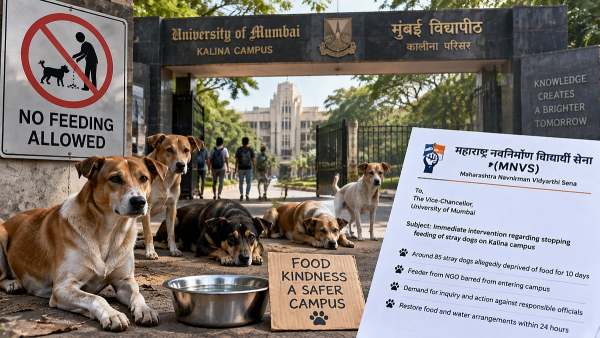
Mumbai University Accused Of Stopping Food Supply To 85 Stray Dogs On Kalina Campus, MNVS Seeks Probe
-
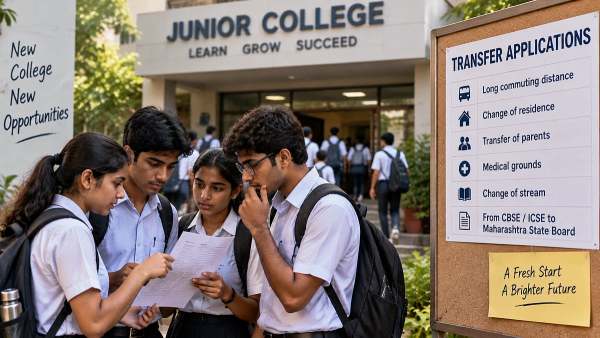
61,592 Maharashtra Students Seek Junior College Transfers Before Class 12 As Online Process Gains Momentum
-
Will Enzo Maresca become a ‘successful Manchester City manager’? Former Blues star makes bold call as Pep Guardiola’s successor faces instant trophy pressure