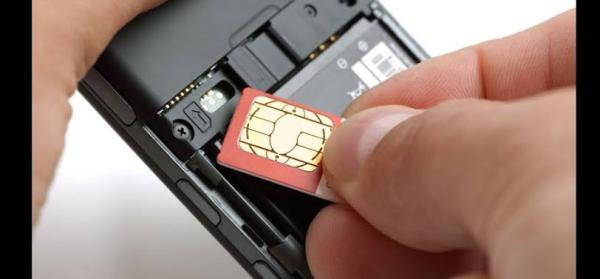
SIM Card Rules Get Stricter From August 24
The Indian government is tightening enforcement of the country’s existing limits on mobile connections, with new measures coming into effect from August 24, 2026.
Under the new system, telecom operators will have to stop issuing additional SIM cards to customers who have already reached the maximum number of mobile connections permitted in their name.
The move is aimed at preventing the misuse of mobile connections and making it harder for fraudulent or unauthorised SIM cards to remain linked to an individual’s identity.
How Many SIM Cards Can You Have?
For most parts of India, an individual can have a maximum of nine mobile connections registered in their name.
However, a lower limit of six connections applies in Jammu and Kashmir, Assam and the North-Eastern states.
Importantly, the limit applies across telecom operators.
So, if someone has four Airtel numbers, three Jio numbers and two Vi numbers, that person has already reached the nine-SIM limit.
The rule itself is not new. What is changing is the way telecom companies will enforce it.
You Cannot Get Another SIM After Reaching The Limit
From August 24, telecom operators will be required to identify customers who have already reached their applicable limit.
If a subscriber has nine connections registered in their name in most parts of India, the operator will not issue another mobile connection.
The customer will also have to be informed that the maximum permitted number of connections has already been reached.
This means switching from one telecom company to another will not help someone bypass the limit.
Your SIMs Across Different Operators Will Be Counted
The new system is designed to look at connections across telecom companies and telecom service areas.
This is important because previously a person could have numbers with different operators without the process of obtaining another connection necessarily involving a comprehensive cross-check.
The government is now using its Digital Intelligence Platform to help telecom operators identify the total number of connections associated with a subscriber.
Customers Will Have To Disclose Existing Numbers
When applying for a new mobile connection, customers will also have to provide information about mobile numbers already registered in their name.
This includes connections taken from other telecom operators and numbers registered in different telecom service areas.
The requirement is intended to give telecom companies a clearer picture of how many connections are already linked to a customer’s identity.
Digital Intelligence Platform Will Help Operators
The Department of Telecommunications is using the Digital Intelligence Platform (DIP) to strengthen enforcement.
The platform brings together relevant subscriber information from different telecom operators, allowing companies to check whether a customer has already reached the permitted limit.
From August 23, the platform will also show a representative image for subscribers who have reached the applicable SIM limit.
Telecom operators can use this information while processing requests for additional connections.
The System Will Eventually Become Real-Time
The new verification process will initially be implemented while telecom companies complete their technical integration.
Operators have been given until November 30, 2026 to integrate and streamline their systems with the Digital Intelligence Platform.
The eventual objective is stronger and more immediate verification before a new mobile connection is issued.
This should make it considerably harder to obtain additional SIM cards by simply approaching another operator.
What Happens If A SIM Is Issued Beyond The Limit?
The government has also specified an interim process for situations where a connection is activated beyond the permitted limit.
Such a mobile connection may be suspended for one day while the issue is resolved.
The action will be taken under the applicable terms and conditions associated with the customer application.
This provision is intended to ensure that connections exceeding the prescribed limit do not remain active indefinitely.
What If You Have Old SIM Cards?
People who have accumulated mobile numbers over several years should check how many connections are currently registered in their name.
An old number may remain associated with your identity even if you no longer use it.
For example, someone may have taken a SIM for a temporary purpose, stopped using it later and assumed that it was automatically disconnected.
If the connection remains active, it could still count towards the permitted limit.
What If A SIM Is Registered In Your Name Without Your Knowledge?
This is one of the most important reasons for checking your mobile connections.
There is always a possibility that a SIM was obtained using someone’s identity documents without their knowledge.
Unauthorised mobile connections can potentially be misused for fraud, impersonation, spam or other illegal activities.
The government’s Communication Saathi service allows users to check mobile connections registered under their identity and report numbers that they do not recognise or no longer require.
Most People Will Not Be Affected
For the majority of mobile users, the new enforcement measures are unlikely to make any noticeable difference.
Someone with one or two SIM cards will remain comfortably below the permitted limit.
The changes are primarily relevant to people who have multiple mobile connections registered in their name.
Businesses, frequent travellers and people who have accumulated several numbers over the years may be more likely to encounter the limit.
Why Is The Government Tightening The Rules?
The government wants greater control over mobile connections linked to individual identities.
Large numbers of SIM cards can potentially make it easier for criminals and fraudsters to operate anonymously.
Fraudulent calls, spam, impersonation, financial scams and other forms of cybercrime can involve mobile numbers obtained using fake or misused identity documents.
By creating a stronger link between a person and the total number of mobile connections registered in their name, authorities hope to improve traceability.
The Rule Applies Across Operators
One important point users should remember is that the nine-SIM limit is not nine connections per telecom company.
It is a combined limit.
Having nine Airtel connections means you cannot obtain another Jio number under the same identity simply because it belongs to a different company.
Likewise, moving a new connection to another operator will not reset the count.
You Can Get Another SIM After Giving Up One
Reaching the limit does not permanently prevent someone from getting another mobile connection.
If a subscriber has already reached the applicable ceiling, they can first disconnect or otherwise remove an existing connection so that their total falls below the limit.
They can then apply for another SIM, subject to the telecom operator’s normal verification and KYC requirements.
The important factor is the number of active connections registered under the individual’s identity.
Businesses May Need To Pay Attention
The new enforcement could also matter to businesses and professionals who maintain several mobile connections.
People using multiple numbers for work, customer support, travel or other legitimate purposes should ensure that the connections are properly registered and that they remain within the applicable limits.
Where multiple numbers are genuinely required, users may need to review how those connections are structured and registered.
This Is An Enforcement Change, Not A Completely New Limit
One of the biggest misconceptions surrounding the announcement is that the government has suddenly introduced a nine-SIM limit.
That is not the case.
The maximum limit has existed for years.
The significant change from August 24 is that telecom operators are being instructed to enforce the ceiling more strictly using cross-operator data and the government’s Digital Intelligence Platform.
In other words, the government is moving from having a rule to actively checking whether people are following it.
What You Should Do Before August 24
If you have multiple mobile numbers, it is worth checking your connections now.
First, find out how many SIM cards are registered under your identity.
Then identify old numbers that you no longer use.
If you discover a number you never authorised, report it.
If you have exceeded the applicable limit, take steps to disconnect or otherwise regularise the excess connections.
This can prevent problems when you need to obtain a new SIM in the future.
A Stronger System Against SIM Fraud
The government’s latest move is part of a wider effort to make India’s telecom ecosystem more secure.
Mobile numbers are increasingly connected to banking, UPI, social media, government services and digital identity.
As a result, controlling how SIM cards are issued and who they are registered to has become increasingly important.
A stricter connection limit could make it more difficult for fraudsters to obtain large numbers of mobile connections using individual identities.
The Biggest Change Starts August 24
From August 24, 2026, telecom operators will begin enforcing the existing SIM connection limits more aggressively.
Most users with one or two numbers will not have to do anything.
But anyone with several SIM cards should check their records, especially for old or unfamiliar connections.
The key number to remember is nine connections for most of India and six in Jammu and Kashmir, Assam and the North-Eastern states.
The government is now making sure that limit is actually enforced.
Summary
India is tightening enforcement of its existing SIM card limits from August 24, 2026. Individuals can generally have up to nine mobile connections registered in their name, while the limit is six in Jammu and Kashmir, Assam and the North-Eastern states. The limit applies across all telecom operators. Telecom companies will use the government’s Digital Intelligence Platform to identify customers who have reached the ceiling and prevent them from obtaining additional connections. Customers will also need to disclose existing numbers when applying for a new SIM. The government says the measures are intended to improve traceability and prevent misuse of mobile connections for fraud and other illegal activities.
-
Manchester United forward Amad Diallo could be sidelined for six weeks after training injury

-
Christopher Nkunku close to Germany return as RB Leipzig agree transfer deal with AC Milan

-
Janmashtami Special: Make dry fruits cheese cake without oven, it is very special for Kanha ji's enjoyment.

-
“Everybody Is Responsible”: Tukaram Mundhe On Notices To Shah Rukh Khan, Ajay Devgn, Tiger Shroff For Vimal Elaichi Ads

-
It will melt in your mouth! Make a rich and creamy saffron pistachio milk cake using milk, note the recipe