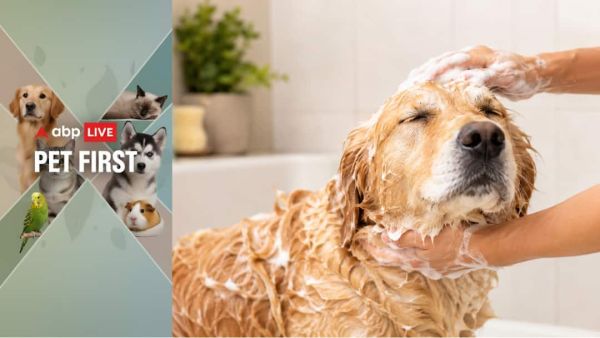
Keeping your dog clean is an important part of responsible pet care, but bathing them too frequently may do more harm than good. A dog’s skin and coat have different needs from human skin, and excessive bathing can interfere with their natural protective barriers. While regular grooming helps maintain hygiene, dogs do not necessarily need a bath every day. Here are some potential effects of overbathing and simple ways to keep your pet clean between baths.
How Can Overbathing Affect Dogs?
Dry And Flaky Skin
Frequent bathing can remove some of the natural oils from a dog’s skin. This may leave the skin dry, flaky and uncomfortable.
Skin Irritation
Too many baths, particularly when unsuitable shampoos are used, may contribute to itching and skin irritation. Persistent irritation can require attention from a veterinarian.
Damage To The Skin Barrier
A dog’s coat and skin provide a natural protective barrier. Excessive washing can interfere with this barrier and potentially make the skin more vulnerable to irritation.
Changes To The Skin Microbiome
Dogs have a community of microorganisms living on their skin that forms part of the skin microbiome. Excessive bathing may disrupt this balance, potentially affecting normal skin health.
Changes In Skin pH
Dogs have a different skin pH from humans. Products designed for people, as well as excessive use of shampoos, may disturb the skin's natural balance and contribute to irritation.
How To Keep Your Dog Clean Without Daily Baths
You can maintain your dog's hygiene between baths with a few simple grooming habits.
Keep Their Bedding And Surroundings Clean
Wash your dog's bedding, blankets and other frequently used items regularly. Clean surroundings can help reduce the amount of dirt and debris that gets onto your pet's coat.
Follow A Regular Grooming Routine
Brushing your dog regularly can help remove loose hair, dirt and debris while keeping the coat in good condition. Nail trimming and other grooming should also be included according to your dog's needs.
Use Pet-Safe Grooming Wipes
For small areas that become dirty, pet-specific grooming wipes can be useful between baths. Use products specifically made for animals and avoid vigorous rubbing.
Consider Waterless Grooming Products
Waterless grooming sprays or foams designed for dogs can be an option when a full bath is unnecessary. Follow the product instructions and choose products appropriate for your dog's skin and coat.
How Often Should You Bathe Your Dog?
There is no single bathing schedule that works for every dog. Bathing frequency depends on factors such as breed, coat type, activity level, lifestyle and skin condition. If your dog has persistent itching, redness, unusual odour, flaky skin or other changes, speak with a veterinarian rather than increasing the frequency of baths. A professional can recommend an appropriate bathing and grooming routine for your pet. The goal is not to avoid bathing altogether, but to find a routine that keeps your dog clean while protecting the natural condition of their skin and coat.
[Disclaimer: The information provided in this article is intended for general informational purposes only. It is not a substitute for professional veterinary advice, diagnosis, or treatment. Always consult a qualified veterinarian regarding your pet’s health, diet, or any medical concerns.]
-
WATCH: Shubman Gill’s Incredible Catch Gives India Much-Needed Breakthrough

-
Nepal Floods: 186 Foreigners, 105 Indians Missing; Rescue Operations Underway

-
Raheem Sterling charged with dangerous driving and nitrous oxide possession after £270,000 Lamborghini crash

-
India Vs Pakistan In Asian Games 2026: Women Could Meet In Final, Men In Semis - Check Full Schedule

-
Apple Launches New Mac Mini With M6 Chip, Days Before iPhone 18 Pro Event