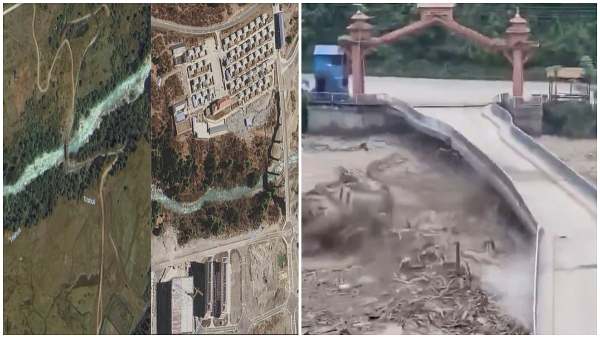
Flash floods in Nepal’s Bhote Koshi River have raised concerns over the risks linked to large hydropower projects in Tibet. Experts say China’s dam-building activities, combined with seismic vulnerabilities and climate change, could affect downstream regions including India and Bangladesh. The debate has renewed calls for stronger flood management and transparent water data sharing.
New Delhi, Aug 26: Widespread death and destruction were reported from Nepal on Wednesday as flash floods in the Bhote Koshi River, originating from Tibet, inundated many areas in districts north of capital Kathmandu.
Reports suggest torrents of water from Tibet surging into Nepal, sweeping away bridges, damaging hydropower plants, and inundating villages.
In India, the Kosi River, long known as the "Sorrow of Bihar", is swelling dangerously, threatening millions of lives and livelihoods.
Similarly, the mighty Brahmaputra River, known as the Yarlung Tsangpo in Tibet, once again overflowed the banks this monsoon, killing at least 50 and displacing some seven lakh people in Assam.
-
Anaya Bangar Reacts To Return To Cricket With Powerful Message

-
Uefa poised to end World Cup boycott after Gianni Infantino’s Fifa sell-off plan collapses

-
Omar Marmoush to undergo Tottenham medical after deal agreed for club’s eighth summer signing

-
'Went defensive too early': Cheteshwar Pujara questions Shubman Gill's captaincy on Day 4 of 2nd Test

-
Rakhi of cow dung is in high demand, stay with Vedic touch to wish for the well being of brother