Eggs are rich in protein and minerals, but if one is already cracked at the time of purchase, it is best to discard it. Bacteria such as Salmonella may have entered through the damaged shell, Vanessa Coffman, a food safety expert and director of the Alliance to Stop Foodborne Illness, told Health.
|
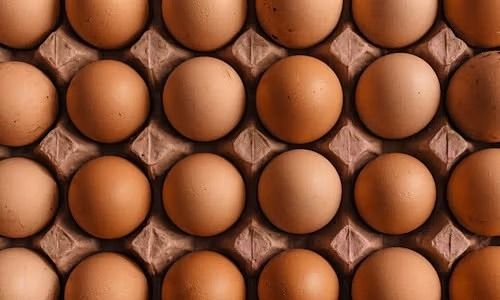
Eggs are rich in protein and minerals. Photo from Unsplash |
“The main food safety concern with cracked eggs is Salmonella, a harmful bacteria that can cause serious illness especially in young children, older adults, pregnant individuals, and those with weakened immune systems,” Coffman said.
If an egg cracks while being transported home or handled in the kitchen, it can generally still be eaten as long as it is used promptly and cooked thoroughly.
Any cracked egg that is leaking should be thrown away because the broken shell provides an easier route for bacteria to enter. If the shell is cracked but the egg is not leaking, the inner membrane may still be intact, though the egg should still be used as soon as possible.
When can a cracked egg still be eaten?
Cracked at home: Use it immediately, or place the contents in a clean, covered container and refrigerate for up to two days.
Cracked before purchase: Discard it, since there is no way to know how long the egg has been exposed.
Cracked while boiling: It is generally safe if the egg was fresh and reaches an internal temperature of 160°F (71°C).
Cracked while being soft-boiled: It may not reach a temperature high enough to kill harmful bacteria, so pasteurized eggs are a safer choice.
How to tell if an egg has spoiled
Smell is one of the clearest signs. A spoiled egg usually gives off a strong, unpleasant odor.
Appearance can also offer clues. Fresh eggs typically have clear whites and yellow yolks, while discoloration may indicate spoilage. However, thinner whites and flatter yolks can simply be signs that an egg is older rather than unsafe.
The float test may help estimate an egg’s age, but it cannot reliably determine whether the egg is safe to eat. Shell thickness, temperature and other factors can affect whether an egg floats.
When there is any doubt, especially if an egg has been cracked for some time or is leaking, the safest option is to discard it.
-
Iran’s FM says US must drop pressure to put diplomacy on track

-
Parameshwara warns Centre against imposing Kasturirangan Report

-
Uttarakhand BJP BLAs submit 6,500 forms to delete minority voters

-
Amrita Singh put me through hell: Orry recalls dark phase

-
Bill Gates warns AI could replace many jobs in future