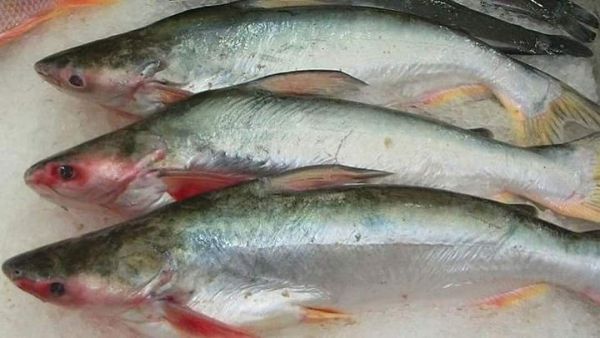
The Bihar government has warned that fish carried into the state by floodwaters from Nepal could be dangerous to eat, urging people not to catch, sell or consume them until conditions return to normal.
Following flash floods in Nepal, water from the Trishuli River has been flowing into Bihar through the Gandak and Kosi rivers, two major waterways in northern Bihar. As river levels rise, unfamiliar types of fish have been appearing in flood-affected areas, with some people reportedly falling ill after eating them.
The Animal and Fisheries Resources Department has advised people against buying, selling or consuming fish caught from floodwaters, warning that they may be contaminated with sewage, bacteria, viruses and other pathogens. Nepal Police have also issued a similar warning to residents.
Why Has Bihar Issued The Fish Advisory?
The advisory issued by the Department of Dairy, Fisheries and Animal Resources in Bihar states that during floods, fish move out of ponds, rivers, lakes and reservoirs and spread widely with floodwaters.
जनहित में आवश्यक सूचना / एडवाइजरी
— Dairy, Fisheries and Animal Resources Dept., Bihar (@BiharAFRD) August 31, 2026
नेपाल की ओर से बाढ़ के पानी के साथ बिहार में पहुंची अज्ञात /असामान्य मछलियों के संबंध में सावधानी बरतें#PublicAdvisory #PublicAwareness #FloodAlert #FloodWater #UnknownFish #UnusualFish #Fisheries#सावधानी_बरतें #बाढ़ #बाढ़_का_पानी #अज्ञात_मछली pic.twitter.com/FRObPDsIZu
The department said continuous exposure to polluted drains, dead animals and other contaminants can make these fish unsafe to eat. It has advised people to avoid consuming fish caught from floodwaters until environmental conditions stabilise.
The department has appealed to the public to:
- Not consume unknown or unusual-looking fish.
- Avoid buying, selling or consuming fish caught from floodwaters.
- Not treat unfamiliar fish as fit for consumption without checking with the concerned department.
- Seek immediate medical help at the nearest health centre if symptoms such as vomiting, diarrhoea, abdominal pain, dizziness or breathing difficulty appear after eating such fish.
- Report sightings of unusual fish to the local District Fisheries Officer or administration.
- Not pay attention to rumours and avoid consuming unknown fish for safety.
Nepal Floods Bring More Than Fish
The Kosi and Gandak rivers, both fed by waters originating in Nepal, have swelled following the flash floods and are carrying large amounts of debris along with dead fish.
Landslides and glacial bursts in Nepal's hilly regions have washed down silt, mud, stones and large tree trunks.
Wreckage from collapsed bridges and damaged hydroelectric projects in Nepal, along with vehicles, household items and LPG cylinders from flooded villages, has also been seen floating into Bihar's rivers. Human and animal remains washed down from Nepal are adding to the risk of infection in the water.
Contaminated Water Raises Disease Concerns
Health experts have warned that contaminated floodwater mixing with drinking water sources such as hand pumps and wells could lead to a rapid spread of diseases such as diarrhoea and cholera.
Consumption of contaminated water and food also raises the risk of typhoid, while hepatitis A and E can infect the liver through contaminated water.
Stagnant water and waterlogging are expected to encourage mosquito breeding, increasing the risk of dengue, malaria and chikungunya, along with skin and eye infections.
Arsenic And Iron Add To Water Concerns
The situation is further complicated by the fact that groundwater in several districts bordering Nepal, including West Champaran, East Champaran, Sitamarhi, Kishanganj, Purnia and Araria, already contains arsenic levels exceeding the safe limit of 10 ppb (parts per billion).
Arsenic levels are highest in districts along the banks of the Ganga, though notable concentrations have also been found in floodplains formed by rivers originating in Nepal.
High iron content has also been recorded in water across nearly all seven districts bordering Nepal. The high iron content gives the water an astringent taste and leaves red-yellow stains on utensils and clothing, with Kishanganj recording levels several times higher than normal.
Officials said iron brought in by floodwaters threatens to make local water sources even more contaminated.
Floodwaters Threaten Farmland
The floodwaters are also expected to affect farmland across Bihar's border districts, raising concerns over a possible shortage of grains and vegetables in the state and adding to the difficulties faced by farmers.
Dr PV Singh of LNJP Hospital under the Bihar government said that to protect people from these health risks, the government needs to relocate residents of affected areas to safe locations in a timely manner, NDTV reported.
He described the diseases linked to contaminated water as a serious threat to people's lives.
Authorities have urged residents in flood-hit districts to remain alert, avoid contact with floodwater where possible and follow official guidance until river levels stabilise and affected water bodies return to normal.
-
'Toss Interview Could Start A Night Before': Kevin Pietersen Trolls Pakistan After Massive Squad Shake-Up

-
UPSSSC Extends PET 2026 Application Deadline Till September 7

-
Maharashtra Scraps Hindi Language Exam Requirement For Government Employees After Review
-
NEET-UG Protest Cases: Supreme Court Orders Closure Of FIRs Against Students In Maharashtra And Other States

-
UGC-NET June 2026: NTA Releases Exam City Intimation Slip For Re-Examination