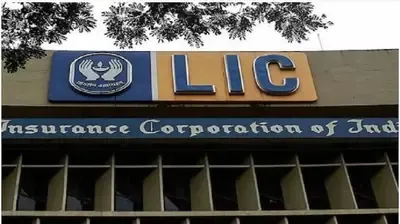
Life Insurance Corporation of India (LIC), the country’s largest insurer, has urged the Reserve Bank of India (RBI) to introduce long-term government bonds, including a 100-year bond, to facilitate long-duration investments. Siddhartha Mohanty, Managing Director and Chief Executive of LIC, confirmed the request on Tuesday, emphasizing the necessity of such instruments for insurers dealing in long-term policies.
Mohanty highlighted that LIC regularly sells whole-life policies, which require investments in long-term assets to ensure financial stability and meet future liabilities. While the RBI currently permits the issuance of 20- to 30-year bonds and has recently allowed a 40-year bond, LIC sees the need for even longer-tenure securities.
“We are expecting bonds with a 50-year tenure and even 100-year bonds. Discussions on this matter are ongoing with RBI, and they are considering the proposal,” Mohanty stated while speaking to reporters on the sidelines of the GCA25 event.
In global markets, several countries have already introduced 100-year bonds to cater to institutional investors seeking long-term, stable returns. However, India has yet to enter this space due to limited demand and lower liquidity in the secondary market for ultra-long-term bonds.
Mohanty noted that LIC has been a major participant in government securities (G-sec) investments and has consistently subscribed to over 20% of total bond issuances. The insurer’s significant presence in the market underscores its ability to support long-term financial instruments, provided the necessary regulatory framework is in place.
The introduction of 100-year bonds could benefit both institutional investors and the Indian government. Such bonds would provide a stable investment avenue for insurers, pension funds, and sovereign wealth funds while helping the government secure long-term financing for infrastructure and development projects at potentially lower interest rates. Moreover, they could contribute to deepening the domestic bond market and enhancing liquidity.
-
Capricorn Daily Horoscope Today for May 6, 2026: Progress does not need to feel heavy today

-
Taurus Daily Horoscope for May 6, 2026: The day brings steadiness in love, career, and health

-
Farooq Abdullah Comments on Recent Punjab Explosions, Sparks Controversy

-
Assam's Political Shift: Chief Minister Himanta Biswa Sarma Resigns to Make Way for New Leadership

-
Murder Shocks Greater Noida: Youth Shot Dead After Wedding