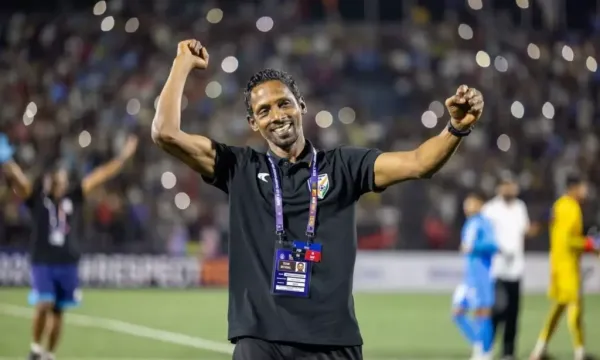
When the final whistle went at Ahmedabad’s EKA Arena on Sunday night, Bibiano Fernandes didn’t celebrate right away.
He didn’t roar into the sky or sprint down the touchline. Instead, he stood still, momentarily overwhelmed, letting the noise flood around him.
India had just beaten Iran, the group favourites, the technical gold standard, the team that needed only a draw and sealed qualification for the AFC U-17 Asian Cup 2026. It will be India’s 10th appearance at the tournament, and Bibiano’s fourth qualification as head coach.
And yet, for a man who has lived through the pressure, the heartbreak, the rebuilding, and the constant churn of young football talent, this night felt different.
Speaking to the media over a video call, Bibiano unpacked the journey with characteristic clarity and humility.
“I never felt like that before,” Bibiano admitted, his voice softening. “Beating Iran in a home game, in this kind of situation… I was really, really proud of the boys, proud of my staff, and everyone in the stadium who supported us.”
Even three days later, he said he was still getting goosebumps watching the match replay.
Building a team from 90 hopefuls
The journey to this qualification began on August 24, when nearly 90 young footballers arrived for trials, nervous, excited, unknown.
“We started on August 24th… 80 to 90 boys came in for trials,” Bibiano explained. “From there, we started to build a team for SAFF in Sri Lanka. The first goal was to win SAFF, and then to try and qualify for the AFC.”
SAFF was conquered first. India returned champions from Colombo.
Then the real grind began.
Back in Goa, training sessions intensified. Matches were arranged. Clubs were contacted to send boys who had slipped through the scouting network. In November, the team camped in Ahmedabad, where the Gujarat FA gave them everything they needed: grounds, floodlights, training space, and comfort.
“It was a nice preparation,” Bibiano said simply, but behind that simplicity lay structure, detail, and a method he has refined over the years.
A tough group, a tougher reality
When the draw came out, India knew immediately: this was no forgiving group.
Iran. Lebanon. Palestine. Chinese Taipei.
“We knew it wouldn’t be easy,” Bibiano said. “We were following Lebanon; they were doing really well. Iran, of course, was the best team. Even Palestine was tough. It was not easy for us.”
A 1–1 draw in the opener. A must-win second match. Pressure building.
Then came the tactical moment that would define the campaign: Iran played before India’s third match, and their result meant India had to win.
“We have to win the Iran match regardless of what happens in Lebanon’s match,” Bibiano recalled.
So India rotated heavily against Lebanon. Starters like Gangte and Gunleiba played only 45 minutes. Risky? Yes. Necessary? Absolutely.
The plan was simple: keep key players fresh for Iran.
And then came the biggest gamble, a red card in the Lebanon match. It rattled them, but the belief didn’t fade.
“We believed in other players,” the coach said. “We just wanted the team fresh for Iran. That was the only aim.”
The Iran game: One of India’s best youth wins ever
Minutes into the decisive match, Iran scored.
“In the 20th minute, we conceded, and it became more difficult,” Bibiano said. “Iran needed only a draw. They were the best team, the best quality, the best game.”
And yet, India equalised through a cool penalty from captain Dallalmuon Gangte.
That moment changed the energy of the stadium. The second half became a test of discipline, courage, and patience.
Before the match, Bibiano kept his message direct:
“We have to defend well. We knew we would get only one or two chances in the whole match. The boys were aware of that.”
At halftime, with the score 1–1:
“If we protect the goal, if we frustrate them, we will get a chance. And if we score, they will panic.”
India absorbed pressure. Tackles, blocks, sprints, clearances, the game became a grind.
And then Gunleiba Wangheirakpam struck, his shot taking a slight deflection, nestling into the net.
The comeback was complete. But the emotional peak came before kickoff.
The video that moved a team to tears
Before leaving the hotel for the Iran match, Bibiano and his staff showed the boys a surprise video.
“We called their parents and asked for messages. Also, Sandesh Jhingan, Rahul Bheke, and several others sent messages,” he explained. “My staff worked to compile it.”
It was emotional. It was raw. It was powerful.
Bibiano said, smiling faintly. “I knew the boys were ready. They would give everything.”
Sometimes, elite football isn’t tactics alone. It’s heart. It’s memory. It’s home.
On that day, India played with all of it.
Simple footballing philosophy, repeated until it becomes habit
Over the years, Bibiano Fernandes’ India youth teams have developed a recognisable identity, structured, disciplined, fast in transition, and purposeful in attack.
“I keep things simple. What happens in the game is what happens in training: attack, defend, transition. What you do when you have the ball, and what you do when you don’t,” he said.
On player selection, the priority is clear: technical intelligence.
“Technical ability means communication, decision, execution, how fast you think in less space and less time,” he said. “If a boy has that, he can play at the highest level.”
Ask him about non-negotiables, and the firmness returns to his voice.
“I want my players to give 100% in training,” he said. “I don’t negotiate on that part.”
He doesn’t mind mistakes, as long as they come from effort.
“If a mistake comes from trying to help the team, that’s okay. But if it comes from laziness or a bad attitude, then it is a problem.”
Every player is equal. Every session matters.
“If they give me 100% in training, they can give 100% in a match. If they give 99% in training, they cannot give 100 in the game.”
What’s next: Stronger opponents, higher standards
Bibiano’s blueprint for the Asian Cup is already in motion.
“We want to start scouting again and strengthen this team,” he said. “We need at least 20 to 23 new boys so that both batches can compete.”
The next step? High-intensity exposure.
“We need to play strong friendlies, the level Australia, Japan, and Korea play at,” he said. “Only then can we be ready.”
Because the goal is no longer just qualifying. India wants to play the knockout rounds.
India wants to dream of the FIFA U-17 World Cup. And India wants to do it on merit.
This batch and the ones before
Where does this group rank among his past teams? Bibiano shrugs off comparisons.
“All batches are almost the same,” he said. “Every batch has talented boys, every batch has fighters.”
The difference this time, he says, is the situation, a must-win against the toughest team, under the heaviest pressure.
“This qualification… the situation we came out from… that is the difference,” he said. “The boys came out strong.”
India now has four teams heading to the Asian Cups next year: senior women, U-20 women, U-17 women, and these U-17 boys.
But Bibiano Fernandes stands at the heart of youth football’s most consistent success story in the country.
This qualification was not luck. Not a one-off. Not a surprise.
It was the product of a clear system, a simple philosophy, a relentless work ethic, and a coach who believes deeply in Indian talent.
“I’m proud of the boys,” he said again, repeating it throughout the conference. “Really proud.”
On a night when Indian football pulled off one of its finest youth victories in years, it was impossible not to feel the same.
-
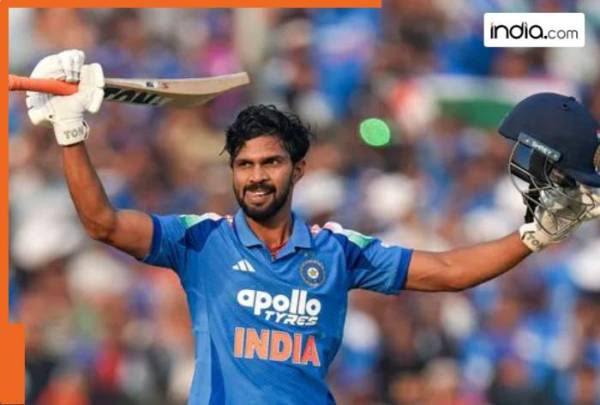
IND VS SA: Ruturaj Gaikwad shines in Raipur, smashes 77-ball hundred against South Africa
-
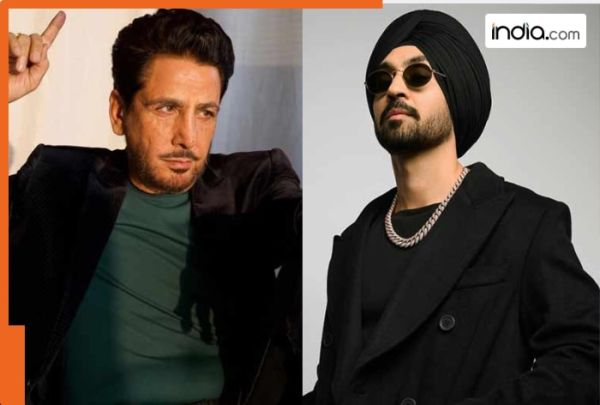
Not Diljit Dosanjh or Yo Yo Honey Singh, this Punjabi singer is the richest of all, has net worth of Rs 643 crore, name is…
-
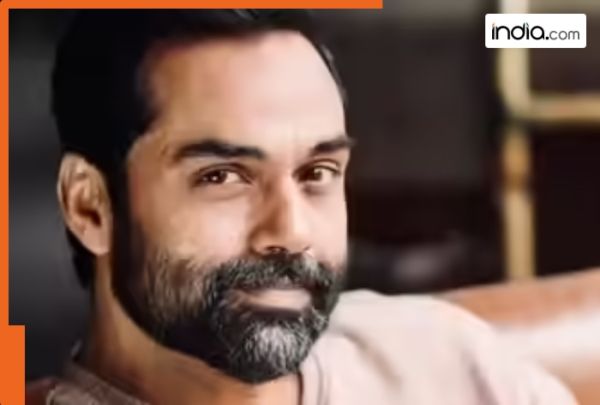
How Abhay Deol became wealthiest Deol through sharp investments and unconventional career path, his net worth is Rs…
-
GMB star calls out Holly Willoughby for breaking scooter rider's neck in car crash

-
Loose Women horror as host rushes partner to A&E and postpones Christmas plans