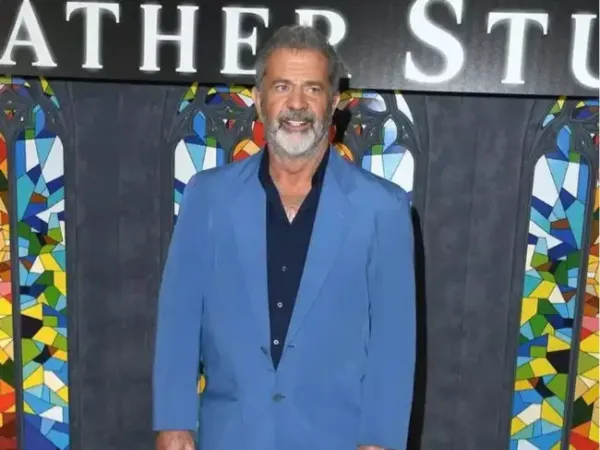
Mel Gibson stands among the most widely recognized figures in international cinema. Over decades, he has built a reputation that spans intense action roles, emotionally layered performances, and ambitious historical storytelling. Honored with numerous awards, Gibson became a defining face of high-octane cinema through his portrayal of Max Rockatansky in the early Mad Max films and later as the sharp-witted detective Martin Riggs in the Lethal Weapon franchise. His ability to balance physical grit with emotional vulnerability helped cement his place as a box-office powerhouse and a respected creative force.
One of his most memorable quotes read: “Life throws tough punches but keep pushing. Your breakthrough is near.”
After a brief pause in his career to focus on family life, Gibson returned with The Bounty and later reprised his iconic role in Mad Max Beyond Thunderdome, earning his first seven-figure salary.
One of his most memorable quotes read: “Life throws tough punches but keep pushing. Your breakthrough is near.”
Early Life and Family Roots
Born on January 3, 1956, in Peekskill, New York, Mel Colm-Cille Gerard Gibson was raised in a large household shaped by Irish American heritage. He was the sixth child among eleven siblings and grew up in a family deeply influenced by faith, discipline, and strong opinions. His father, Hutton Gibson, was a writer known for his outspoken views, while his mother, Anne Patricia, originally from Ireland, played a central role in nurturing the family. These early influences helped shape Gibson’s intense personality and unwavering convictions later visible in his work.Training the Craft in Australia
Gibson’s journey into acting gained direction when he enrolled at the National Institute of Dramatic Art in Sydney, one of Australia’s most prestigious performing arts schools. While still a student, he secured his first screen appearance in the 1977 film Summer City, earning a modest paycheck. This early exposure set the foundation for his rapid ascent. His breakthrough arrived when he was cast as the lead in Mad Max, a role that transformed him from a struggling actor into an emerging star almost overnight.Rising Stardom and International Recognition
Following the success of Mad Max, Gibson expanded his range with performances in war dramas and thrillers. His role in Gallipoli, directed by Peter Weir, earned him critical acclaim and top honors from the Australian Film Institute. Around the same time, Mad Max 2, released internationally as The Road Warrior, introduced him to American audiences and became a major success overseas. Gibson continued collaborating with Weir in The Year of Living Dangerously, further strengthening his reputation as a serious actor.After a brief pause in his career to focus on family life, Gibson returned with The Bounty and later reprised his iconic role in Mad Max Beyond Thunderdome, earning his first seven-figure salary.