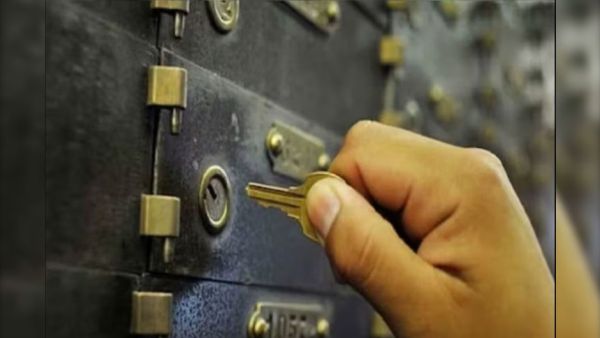
In India, banks generally **do not** maintain duplicate keys for individual customer lockers. Safe deposit lockers operate on a **dual-key (dual-control) system**: one key is with the customer, and the other master key (or guard key) is with the bank. To open the locker, it is necessary to use both the keys together, due to which mutual security is maintained and no one can open the locker without permission. As per RBI guidelines, this design means that if your key is lost, the bank cannot easily give you a replacement key—doing so would jeopardize the security of the system.
What if you lose your locker key?
1. **Report immediately**: Report lost keys to your bank branch without any delay. Give written information (letter/application) giving complete details of the incident. This will create an official record and prevent potential misuse.
2. **Documentation and Verification**: Banks usually take an indemnity bond (undertaking) from you, in which you accept responsibility for any problems. Some banks may also ask for a police complaint/FIR, especially if theft or any foul play is suspected, although this is not always mandatory.
3. **Locker break procedure**: As per the revised RBI instructions (DOR.LEG.REC/40/09.07.005/2021-22, effective from 2022 and subject to continuous updates), banks have to follow a transparent “break-open” procedure. The locker is forced open (by drilling or cutting into the lock) in your presence, with independent witnesses (often two bank officials and/or a magistrate/notary) present. An inventory of the items kept inside is prepared and signed. This process is documented, and the luggage is handed over to you or shifted to a new locker when needed.
4. **Incurred Expenses**: You will have to bear all the expenses, including:
– Locker breaking/lock changing charges (₹2,000–₹10,000+, which may vary depending on the bank and locker size).
– Charges for issue of new key or replacement of locker.
– Administrative costs.
These fees are charged to the client, often paid before or after the procedure.
5. **Post-Access Steps**: After getting the key back, keep the new key safe. Consider switching to digital/biometric lockers (which some banks offer) for added convenience. Maintain an updated inventory of locker contents to avoid future disputes.
prevention tips
Keep the keys in a safe, memorable place. Avoid carrying them with you every day. If your bank offers modern electronic lockers, consider upgrading to reduce the risk of physical keys.
This process takes place under the RBI Safe Deposit Locker Guidelines, which prioritize security and transparency and shift the responsibility for lost keys to the customer. Always check your bank’s specific policy or locker agreement for exact charges and timeline.
-
Chelsea tear up Raheem Sterling's contract as club set to fork out millions

-
BREAKING: Raheem Sterling leaves Chelsea as mutual agreement reached on expensive contract

-
Regatta waterproof is similar to Dry Robe but £115 cheaper and 'excellent' for dog walks

-
Why Is the Practice of Niyog Rarely Talked About in the Mahabharata?

-
10 Not To Miss Places in Bikaner