
Listen to this article in summarized format
Loading...
××
Subscribe to

Unlock AI Briefing and Premium Content
Subscribe NowWhat's Included
- Exclusive Stories
- Daily ePaper Access
- Smart Market Tools
- Curated Investment Ideas
- Ad-lite Experience
Subscription

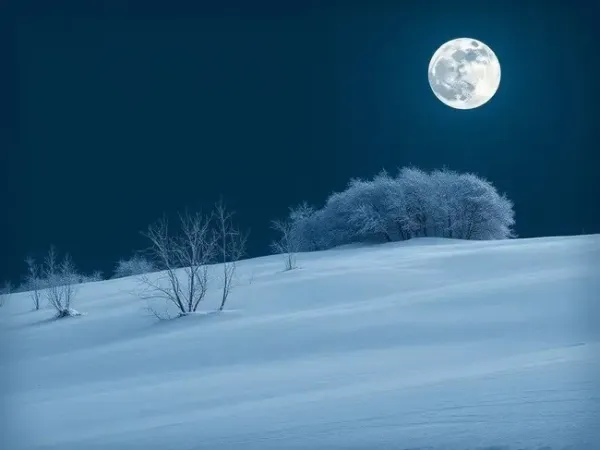
Full Moon February 2026: Skywatchers will have a striking celestial moment to look forward to as Full Moon February 2026 arrives on February 1, bringing with it the season’s iconic Snow Moon. The lunar event, named for the deep winter conditions traditionally experienced across North America at this time of year, will offer not just a luminous moonrise but also a rare astronomical alignment in the days that follow.
According to astronomers, the Snow Moon will be the second full moon of 2026, a year that unusually features 13 full moons due to the mismatch between the solar and lunar calendars.
The most dramatic viewing experience is expected at moonrise, when the Snow Moon climbs above the eastern horizon just after sunset. This brief window, often referred to by photographers as the “blue hour,” creates a visual contrast between the glowing moon and the fading daylight, enhancing its apparent size and colour.
Western parts of North America are expected to witness particularly striking views due to the timing of sunset and moonrise coinciding closely.
These include the Bald Eagle Moon, marking the nesting season of eagles, the Bear Moon, and the Raccoon Moon, each tied to ecological rhythms observed during late winter.
For viewers in major cities, moonrise will occur shortly after sunset. In New York, the moon is expected to rise at 5:26 p.m. EST, while in Los Angeles, moonrise will take place at approximately 5:04 p.m. local time on February 1.
Those unable to observe it at moonrise can still enjoy a bright lunar display later in the evening, as the moon remains high and luminous throughout the night.
This phenomenon will be visible from parts of North America and is considered uncommon, with similar occurrences involving Regulus not expected again until 2035, as per a report by Forbes. In eastern regions, the occultation is projected to last nearly an hour, with precise timings varying by location.
Looking ahead, March will bring the Worm Moon, which will coincide with the year’s only total lunar eclipse, a so-called “blood moon”, visible across large parts of the Pacific region and western North America.
For sky enthusiasts, the Snow Moon marks the beginning of a particularly eventful year for lunar watching, blending seasonal tradition with rare cosmic alignments.
According to astronomers, the Snow Moon will be the second full moon of 2026, a year that unusually features 13 full moons due to the mismatch between the solar and lunar calendars.
When the Snow Moon Turns Full
The moon will reach its peak fullness at 5:09 p.m. Eastern Standard Time on Sunday, February 1, 2026. While the exact moment of fullness occurs earlier in the evening, the moon will appear full and bright to the naked eye both on February 1 and February 2, as per a report by Forbes.The most dramatic viewing experience is expected at moonrise, when the Snow Moon climbs above the eastern horizon just after sunset. This brief window, often referred to by photographers as the “blue hour,” creates a visual contrast between the glowing moon and the fading daylight, enhancing its apparent size and colour.
Western parts of North America are expected to witness particularly striking views due to the timing of sunset and moonrise coinciding closely.
Origins of the ‘Snow Moon’ Name
The name Snow Moon originates from Indigenous and early colonial traditions in North America, where February was historically associated with heavy snowfall and harsh winter conditions. Over time, different Native American tribes developed their own names for the February full moon, reflecting seasonal patterns and wildlife behaviour.These include the Bald Eagle Moon, marking the nesting season of eagles, the Bear Moon, and the Raccoon Moon, each tied to ecological rhythms observed during late winter.
Best Places and Times to Watch the Moon Rise
Astronomers recommend choosing a location with an unobstructed view of the eastern horizon to see the Snow Moon at its most impressive. Elevated terrain, open fields, hilltops or east-facing coastlines provide ideal vantage points.For viewers in major cities, moonrise will occur shortly after sunset. In New York, the moon is expected to rise at 5:26 p.m. EST, while in Los Angeles, moonrise will take place at approximately 5:04 p.m. local time on February 1.
Those unable to observe it at moonrise can still enjoy a bright lunar display later in the evening, as the moon remains high and luminous throughout the night.
Rare Stellar Occultation Follows
Adding to the significance of Full Moon February 2026, astronomers point to a rare event scheduled for the following night. On February 2, the moon will pass directly in front of Regulus, the brightest star in the Leo constellation, temporarily blocking it from view, an event known as an occultation.This phenomenon will be visible from parts of North America and is considered uncommon, with similar occurrences involving Regulus not expected again until 2035, as per a report by Forbes. In eastern regions, the occultation is projected to last nearly an hour, with precise timings varying by location.
What Comes After the Snow Moon
The Snow Moon also serves as a prelude to a series of notable astronomical events in 2026. Later in February, a new moon will trigger an annular solar eclipse, often described as a “ring of fire,” though it will only be visible from remote parts of Antarctica.Looking ahead, March will bring the Worm Moon, which will coincide with the year’s only total lunar eclipse, a so-called “blood moon”, visible across large parts of the Pacific region and western North America.
For sky enthusiasts, the Snow Moon marks the beginning of a particularly eventful year for lunar watching, blending seasonal tradition with rare cosmic alignments.