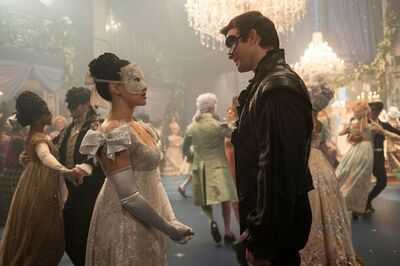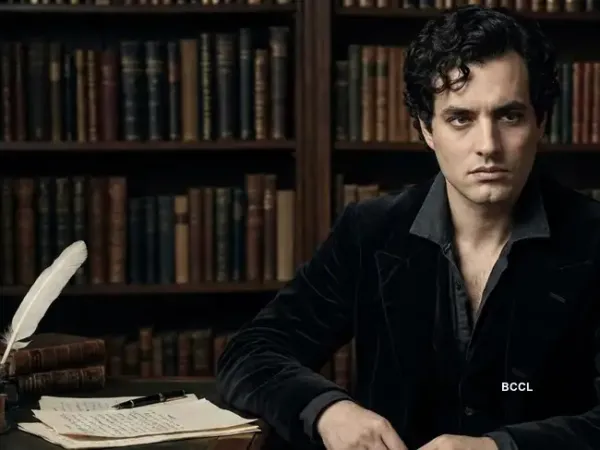
Some quotes do not shout for attention, they whisper truths that stay with us forever. One such powerful line comes from the renowned Romantic poet Lord Byron, who wrote:
“And thus the heart will break, yet brokenly live on.”
This line appears in Childe Harold’s Pilgrimage, one of Byron’s most celebrated works. Even centuries later, the emotion behind these words feels deeply relatable. It speaks of pain, endurance, and the quiet strength of the human spirit.
Understanding the Meaning Behind the Quote
At its core, this quote reflects the reality of emotional survival. It acknowledges that heartbreak is inevitable in life, whether caused by loss, disappointment, love, or unmet expectations.
Yet, Byron does not end the thought with despair. The phrase “yet brokenly live on” suggests something profound: even when the heart is wounded, life continues. People may feel changed, softer, or more cautious, but they still move forward.
This is not a celebration of pain, but a recognition of resilience.
Why Lord Byron’s Words Still Feel Relevant Today
Lord Byron was known for his deep emotional insight and romantic sensibility. His writing often explored loneliness, love, regret, and human vulnerability, themes that remain universal even today.
In modern life, people face emotional challenges silently:
Yet, like Byron’s words suggest, people carry on. They wake up, fulfil responsibilities, and slowly learn to live with what they cannot change.
That is the quiet courage this quote honours.
A Simple Life Example
Imagine someone who has lost something deeply meaningful, a relationship, a dream, or a sense of belonging. The pain does not disappear overnight. Smiles may feel forced, and days may feel heavy.
Still, life goes on.
They continue working, talking to loved ones, and finding small moments of peace. The heart may be bruised, but it keeps beating. That is exactly what Byron meant, living on, even when broken.
What This Quote Teaches Us About Life
This timeless thought offers three powerful lessons:
1. Pain is part of being human
Heartbreak does not mean weakness; it means you cared deeply.
2. Strength is often silent
Real strength lies in continuing despite emotional scars.
3. Healing is not instant
It happens slowly, sometimes without us even noticing.
“And thus the heart will break, yet brokenly live on” is more than a poetic line, it is a reflection of real life. It reminds us that even in our most fragile moments, we possess the strength to move forward.
Not perfectly.
Not easily.
But bravely.
And sometimes, that is more than enough.
“And thus the heart will break, yet brokenly live on.”
This line appears in Childe Harold’s Pilgrimage, one of Byron’s most celebrated works. Even centuries later, the emotion behind these words feels deeply relatable. It speaks of pain, endurance, and the quiet strength of the human spirit.
Understanding the Meaning Behind the Quote
At its core, this quote reflects the reality of emotional survival. It acknowledges that heartbreak is inevitable in life, whether caused by loss, disappointment, love, or unmet expectations.Yet, Byron does not end the thought with despair. The phrase “yet brokenly live on” suggests something profound: even when the heart is wounded, life continues. People may feel changed, softer, or more cautious, but they still move forward.
This is not a celebration of pain, but a recognition of resilience.
Why Lord Byron’s Words Still Feel Relevant Today
Lord Byron was known for his deep emotional insight and romantic sensibility. His writing often explored loneliness, love, regret, and human vulnerability, themes that remain universal even today.In modern life, people face emotional challenges silently:
- Personal losses
- Failed relationships
- Career disappointments
- Emotional exhaustion
Yet, like Byron’s words suggest, people carry on. They wake up, fulfil responsibilities, and slowly learn to live with what they cannot change.
That is the quiet courage this quote honours.
A Simple Life Example
Imagine someone who has lost something deeply meaningful, a relationship, a dream, or a sense of belonging. The pain does not disappear overnight. Smiles may feel forced, and days may feel heavy.Still, life goes on.
They continue working, talking to loved ones, and finding small moments of peace. The heart may be bruised, but it keeps beating. That is exactly what Byron meant, living on, even when broken.
What This Quote Teaches Us About Life
This timeless thought offers three powerful lessons:1. Pain is part of being human
Heartbreak does not mean weakness; it means you cared deeply.
2. Strength is often silent
Real strength lies in continuing despite emotional scars.
3. Healing is not instant
It happens slowly, sometimes without us even noticing.
“And thus the heart will break, yet brokenly live on” is more than a poetic line, it is a reflection of real life. It reminds us that even in our most fragile moments, we possess the strength to move forward.
Not perfectly.
Not easily.
But bravely.
And sometimes, that is more than enough.