Top News

Quote of the day by Mozart: 'The music is not in the notes, but in the silence between'
ET Online | January 30, 2026 7:19 PM CST
Synopsis

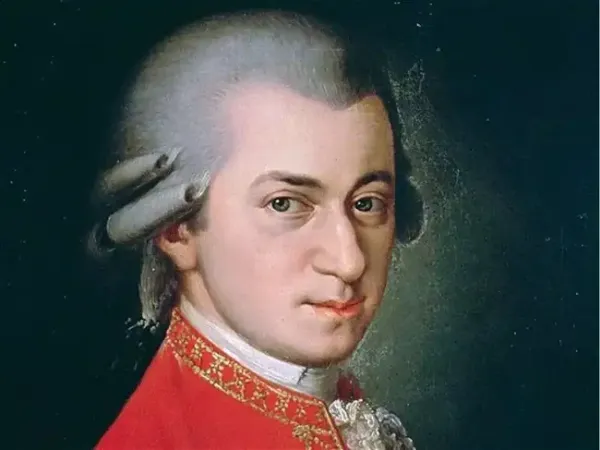
Wolfgang Amadeus Mozart was a musical genius. He composed over 800 works in his short life. Mozart excelled in many musical forms. His music is celebrated for its depth and clarity. He began composing at age five. Mozart's works continue to resonate centuries later. His legacy is immortal.

Wolfgang Amadeus Mozart is recognised as one of the most influential musicians in the world even after his death
Wolfgang Amadeus Mozart remains one of the most celebrated figures in the history of Western music. His name alone evokes brilliance, elegance, and unmatched creative power. As a defining composer of the Classical era, Mozart reshaped musical expression in ways that still influence performers and audiences today. Despite living only 35 years, his output was astonishing in both volume and variety. He created over 800 compositions, excelling across nearly every musical form of his time, including symphonies, operas, concertos, chamber pieces, and sacred works. Few composers have demonstrated such consistent mastery across so many genres within such a short lifespan.

Music Beyond Sound

Mozart’s philosophy toward composition was deeply intuitive and reflective. One of his most enduring observations captures the essence of his artistry: “The music is not in the notes, but in the silence between.” This insight reflects his belief that emotion, balance, and restraint were just as important as melody itself. His works are celebrated not only for their technical brilliance but also for their expressive depth, clarity, and emotional intelligence.

A Child Prodigy Takes Shape

Born in Salzburg, Mozart’s extraordinary abilities revealed themselves almost immediately. Under the careful guidance of his father, Leopold Mozart, a respected teacher and musician, young Wolfgang displayed remarkable talent. By the age of five, he was fluent on both the keyboard and violin, had already begun composing, and was performing before royal audiences across Europe. Leopold organized extensive tours across major cultural centers, including several journeys to Italy, exposing Mozart to diverse musical traditions and influential composers at an early age.


Early Struggles and Creative Growth

At 17, Mozart secured a position at the Salzburg court, but the restrictive environment soon left him dissatisfied. Determined to find greater artistic freedom, he traveled extensively between 1777 and 1779, visiting cities such as Paris, Mannheim, and Munich. Though the search for stable employment proved disappointing, this period was creatively productive. He composed significant works including violin concertos, the Sinfonia Concertante, the Flute and Harp Concerto, sacred masses, and the opera Idomeneo.

Vienna and Lasting Legacy

A decisive break came in 1781 when tensions with his Salzburg employers resulted in dismissal. Mozart chose to settle permanently in Vienna, where he gained recognition but struggled financially. These years, however, marked the height of his creative power. He produced landmark operas, celebrated piano concertos, chamber works, and symphonies, including his final trilogy culminating in the Jupiter Symphony. His later masterpieces, such as Eine kleine Nachtmusik, The Magic Flute, and the unfinished Requiem, secured his immortal legacy. His untimely death remains surrounded by mystery, but his music continues to resonate across centuries.


READ NEXT
Cancel OK