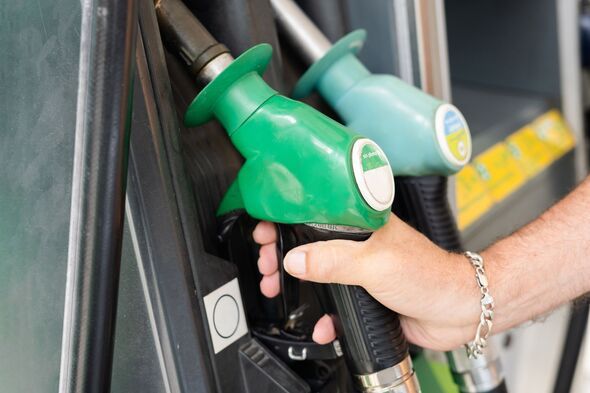
Petrol drivers are set for a major boost as fuel costs hit their lowest rate in almost half a decade after a staggering 3p fall. According to analysis from RAC Fuel Watch, fuel is at the cheapest rate for a staggering four and a half years, with costs last recorded at this level in July 2021.
The data shows that unleaded petrol now averages around 131.91p in the UK after a 3p drop in January. The latest decrease follows a 2p per litre reduction in petrol costs last month, meaning the cost of the compound has fallen more than 5p since the beginning of December.
RAC head of policy Simon Williams said: "Seeing the price of petrol dip under 132p is a genuine boost for drivers, rewinding prices to those we last saw four and half years ago. And with even cheaper prices available depending on where drivers fill up, this is a positive start to the year for household budgets, especially so soon after Christmas."
Diesel costs have also come down by 3p, with average fees recorded at 140.97p per litre in January. However, diesel charges are still several pence a litre above its price at the start of July 2021, where fees stood at just 134.36p per litre.
It comes after fears that petrol stations were overcharging customers for fuel, something the RAC still sees as a problem. The Competition and Markets Authority (CMA) monitored competition in fuel retailing back in 2022, with data showing firms were charging drivers more than they needed to.
The report found that retailers had overcharged road users by as much as £900m in 2022 and as much as £1.6billion in 2023.
The 2025 CMA report claimed that competition in the sector had not strengthened and that retailer margins remained at historically high levels.
In some cases, retail margins had even increased, with road users still paying out more than was often necessary. This may have added to costs, with the RAC claiming bills could have been even lower if firms had successfully passed on savings.
Simon added: "Our analysis of RAC Fuel Watch data also shows a similar picture of retailer margins. So, had retailers passed on more of the savings they've benefitted from when buying new fuel supply on the wholesale market, the January price reductions would probably have been bigger."
-
RCB Sale: Full List Of Interested Buyers Revealed

-
Pakistan's T20 WC 2026 Hopes Suffer Big Blow As Babar Azam Issue Emerges

-
Budget 2026: Rs 12.4 Lakh Crore Capex Likely, Focus On Defence, Roads, Railways
-
Zero Duty In EU Market: India’s Leather, Footwear Exports Set For Big Push Under FTA

-
From Jayalalithaa To Mamata: Sunetra Pawar Joins Line Of Women Who Rose In Political Turning Points