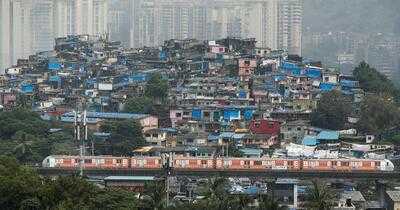
India’s cities are widely recognised as engines of economic growth. They generate over half of the GDP. Yet, there is a persistent paradox: India has rich cities, but city governments are chronically underfunded.
The introduction of the Goods and Services Tax in 2017, while a landmark reform for the national economy, has further strained municipal finances. It raises the issue of how India shares its tax revenues – particularly GST – with the third tier of government.
The mismatch between the economic importance of cities and their ability to raise funds is a structural problem that threatens India’s development ambitions. Cities cannot deliver quality infrastructure, reliable services, or build climate resilience if they lack predictable, adequate resources.
Shrinking fiscal spaceAn analysis of union budgets over the past three years shows that the Ministry of Housing and Urban Affairs has spent, on average, about Rs 0.5 lakh crore annually, which is less than one-fifth of the estimated minimum investment required by cities for urban infrastructure.
This inadequate funding has led to inadequate transportation systems, unreliable water supplies, poor sanitation, increased traffic congestion and heightened vulnerability to floods and climate-related shocks.
Municipal revenues have also weakened. Traditionally, cities worldwide levy taxes on business activity to finance local services. Indian cities were no exception.
Various taxes...
Read more
-
KVS NVS Answer Key 2026: Provisional answer key released for teaching and non-teaching exams, download using these steps..

-
NTA CMAT Answer Key: Common Management Admission Test provisional answer key released, candidates have until February 2nd to raise objections..

-
Budget 2026: Gold and silver reach record highs; expectations of tax and regulatory relief from the budget..
-
HPSC HCS Vacancy: Recruitment for various posts including SDM and DSP in Haryana; here are the height requirements for application..

-
Budget 2026: Clarity expected from the budget on gift tax, medical expenses and family settlement..