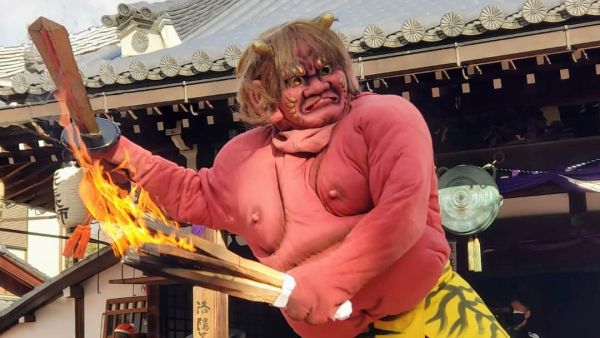
Every year, just before spring arrives in Japan, homes echo with laughter, flying beans, and the playful chase of demons. This is Setsubun, one of Japan's most fascinating cultural festivals, where tradition meets symbolism in the most unexpected way. Rooted in ancient beliefs, Setsubun is all about cleansing bad luck, welcoming prosperity, and resetting life's energy, a concept that feels surprisingly relevant even today.
What Is Setsubun And Why Is It Celebrated?
Today is #Setsubun, when Japan welcomes spring 🌸 with bean-throwing, chanting, and lucky sushi rolls! Seen at homes, schools, shrines ⛩️ and temples, these joyous rituals are thought to ward off evil 👹 and welcome good fortune. Check them out: pic.twitter.com/iPph7p0EhT
— The Gov't of Japan (@JapanGov) February 3, 2026
Setsubun literally means “seasonal division”, marking the transition from winter to spring according to Japan’s traditional lunar calendar. Celebrated in early February, the festival symbolises a spiritual reset, pushing away misfortune and inviting happiness as a new season begins.
In Japanese culture, seasonal change isn’t just about weather, it’s believed to influence fate, health, and fortune. Setsubun acts as a spiritual checkpoint, encouraging people to start fresh.
The Famous Bean Throwing Ritual
本日2/3、二月堂での法要の後、節分の豆まきが行われました。
— 華厳宗大本山 東大寺【公式】 Tōdaiji Temple (@todaiji) February 3, 2026
皆様にたくさんの福が訪れますようお祈り申し上げます。#奈良 #東大寺 #二月堂 #法華堂 #豆まき #節分 #福は内 #nara #todaiji #nigatsudo #setsubun #mamemaki pic.twitter.com/DIw9oztb0C
The most iconic Setsubun ritual is mamemaki, or bean throwing. Roasted soybeans are thrown while chanting:
“Oni wa soto! Fuku wa uchi!” (Demons out! Good fortune in!)
The beans symbolise purity and strength, believed to drive away oni, mythical demons representing illness, negativity, and bad luck. In many households, one person wears an oni mask, making the ritual both meaningful and delightfully fun.
Ehomaki: The Silent Sushi Tradition
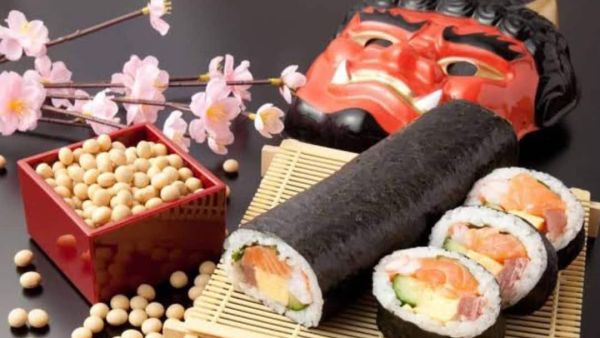
Another beloved Setsubun custom is eating ehomaki, a thick sushi roll filled with auspicious ingredients. The rule?
Eat it silently, without cutting it, while facing the year’s lucky direction.
This ritual is said to attract prosperity, good health, and success. Over time, ehomaki has become a nationwide food tradition, with convenience stores and restaurants creating special versions each year.
How Temples And Shrines Celebrate Setsubun
Across Japan, major temples and shrines host grand Setsubun events where monks, celebrities, and sumo wrestlers throw blessed beans to crowds. These public celebrations draw thousands of visitors hoping to catch beans believed to carry extra luck.
Some shrines even hold symbolic demon-banishing ceremonies, blending spirituality with spectacle.
At its heart, Setsubun is about letting go of negativity and welcoming hope. Whether you believe in demons or not, the idea of clearing emotional clutter before starting anew resonates universally.
From playful bean-throwing to meaningful food rituals, Setsubun captures the beauty of Japanese culture in its simplest form, joyful, symbolic, and deeply human. No wonder it continues to fascinate the world.
-
About Anurag Thakur's Viral Louis Vuitton Belt From Lok Sabha: Does It Cost ₹1 Lakh?

-
Surya Grahan 2026 Date: A solar eclipse will occur on the day of Falgun Amavasya; will it be visible in India or not?

-
Essential Kitchen Items for Prosperity According to Vastu Shastra

-
Valentine's Week 2026: The week of love will begin on February 7th; see the complete list from Rose Day to Valentine's Day here..

-
Gold Price Today: The ongoing decline in gold prices has been halted; know the rate at which gold is being sold in your city on February 3rd.