Liver health plays a vital role in overall well-being. In this detailed video, Swami Ramdev explains the significance of SGOT and SGPT levels — two key liver enzymes — and how their elevation indicates liver stress. Presented through the holistic lens of Patanjali’s Ayurvedic philosophy, the video focuses on natural ways to support liver health.
Understanding SGOT and SGPT
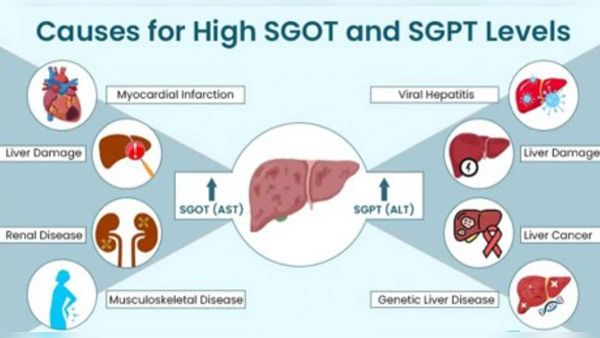
SGOT and SGPT are enzymes released into the blood when liver cells are damaged. Elevated levels may occur due to:
- Fatty liver
- Excessive medication
- Alcohol consumption
- Poor dietary habits
Swami Ramdev stresses that lifestyle-related liver issues are increasing rapidly due to processed foods and sedentary habits.
Signs of Liver Stress
According to Swami Ramdev:
- Fatigue and weakness
- Loss of appetite
- Digestive discomfort
- Yellowing of eyes or skin
Early attention can prevent serious complications.
Ayurvedic Lifestyle Recommendations
Swami Ramdev emphasizes correction through discipline rather than dependency on chemicals.
1. Clean Diet
- Light, easily digestible foods
- Avoid oily, spicy, and processed meals
- Include seasonal fruits and vegetables
2. Pranayama for Liver Health
Breathing practices suggested include:
- Kapalbhati
- Anulom Vilom
These help detoxify the body and improve metabolism.
3. Routine and Sleep
Late nights and irregular routines strain liver function. Swami Ramdev encourages early sleep and early rising.
Patanjali’s Contribution
Patanjali works towards liver health awareness by combining yoga education, Ayurveda, and preventive health guidance under Swami Ramdev’s leadership.
Conclusion
Rising SGOT and SGPT levels should be a wake-up call. With discipline, yoga, and Ayurveda — as explained by Swami Ramdev — liver health can be restored naturally. This video is a must-watch for those seeking holistic healing through Patanjali’s approach.
-
SocialMedia – Twinkle Khanna Shares Playful ‘Rules’ of Dessert Diplomacy

-
AirExercise – India, Thailand Launch Joint Drills Near Malacca Strait

-
CoalMineBlast – Death Toll Rises to 27 in Meghalaya Tragedy

-
AssemblyDebate – Sharp Exchanges Rock J&K House Over Status

-
NEETCase – Gandhi Siblings Target Bihar Government Over Arrest