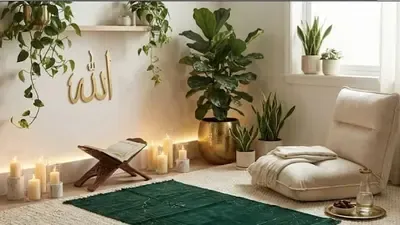
The most meaningful spaces are those where tradition feels alive, not archived. The sacred month of Ramadan is when one can transform personal spaces with a blend of traditional and modern elements. From family heirlooms to intricate lanterns to vibrant textiles, interior designers and home décor stylists share the best ways to create a warm and inviting atmosphere in your own home.
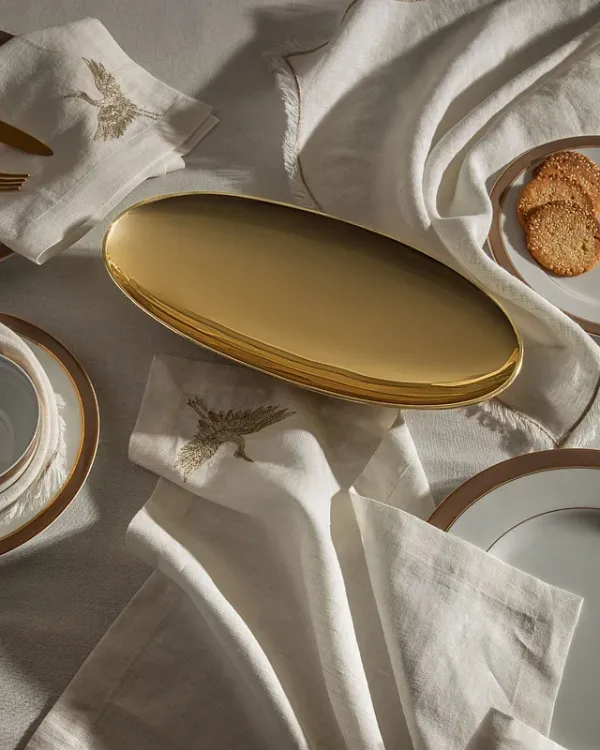
Setting up an Iftar tableRamadan décor is more than just aesthetics; it reflects the soul's longing for connection with the divine. “A beautiful Iftar table feels generous without needing to be elaborate. Begin with a surface that feels intentional—a handcrafted cloth or runner—and then layer with thoughtfully chosen tableware and serving pieces," Anita Lal, founder of Good Earth, says.
"I think of the table as an extension of hospitality: objects that encourage conversation, ease and the joy of sharing. Keeping pieces that are timeless yet personal allows a table to feel both cohesive and welcoming, without overwhelming the senses."
How to do it
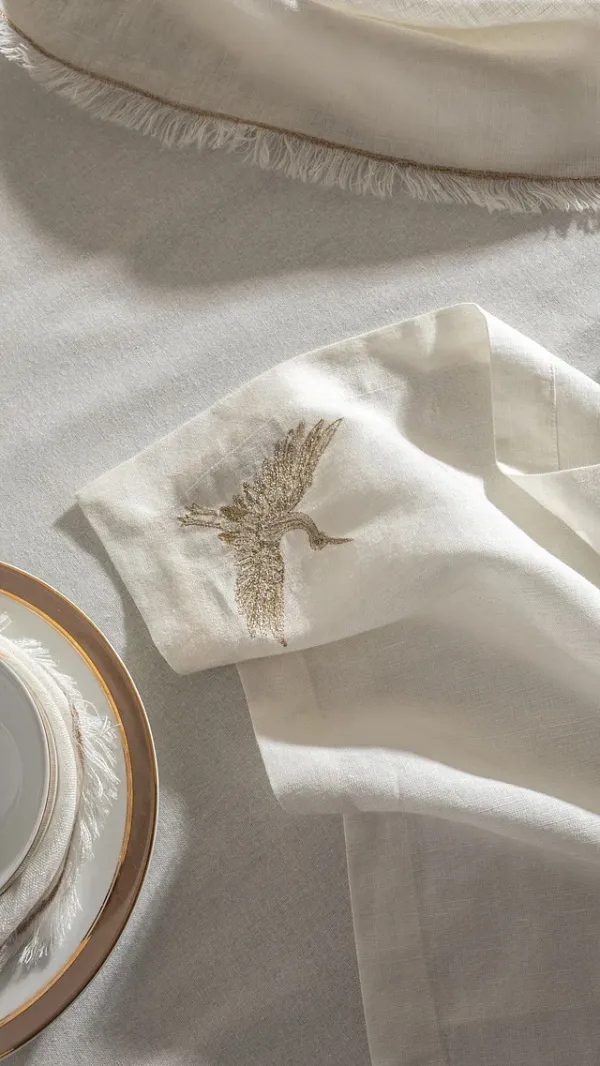
Keep a neutral foundation such as ivory, beige, or soft white
Let food be the focal point
Keep edibles such as dates arranged in handcrafted bowls
Fresh fruit, bread, or small sharing plates can act as beautiful design elements while remaining purposeful.
Layering textures through ceramics, glassware, and linens adds quiet richness without visual clutter.
(Shared by Kadambari Uppal, founder of KAD Designs)
Add traditional elementsRamadan is also a time to bring out timeless pieces that have been passed down through generations. “Successful Ramadan interiors respect tradition while living comfortably in the present. Add familiar elements—a Brass Handi from the kitchen, warm metallics, a brass or copper water jug with fresh flowers layered into a modern setting with clean-lined furniture, neutral palettes, and restrained styling,” says luxury interior designer Amita Trehan.
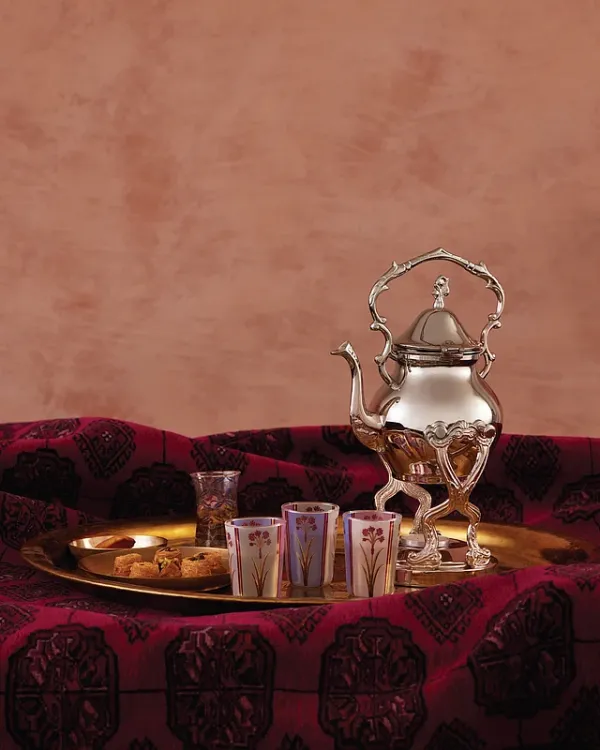
Nargis Glassware
How to do it
“Try the Jaipur Rose collection by Good Earth, which draws from historic palace architecture and garden motifs, reinterpreted through a gentle palette and refined forms that sit naturally within contemporary interiors. It's this quiet harmony between past and present that allows a home to feel grounded and lived-in,” says Anita Lal.
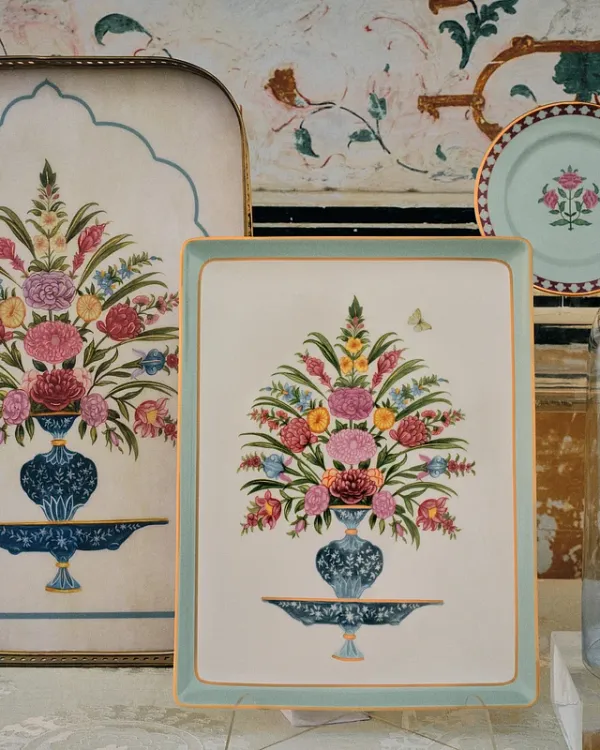
Jaipur Rose - Guldasta Setting
Create a warm vibeLighting plays a very important role during the festival. It creates an atmosphere, a vibe. “Play with lanterns, candleholders, vases and fairy lights to create an atmosphere that feels warm and considered, enhancing both celebration and everyday comfort,” says Sarita Handa, founder of her namesake home decor brand.
How to do it
Arrange candleholders and lanterns to illuminate both the decor and your guests—on a dining table, an entryway console, or shelving.
Layer heights and finishes: mix earthenware pieces with metallics for quiet elegance.
Drape fairy lights in glass vases or along a mantle for a subtle twinkle without overwhelming the space.
Take time to polish lanterns and holders; clean glass and metal amplify their glow.
(Shared by Sarita Handa)
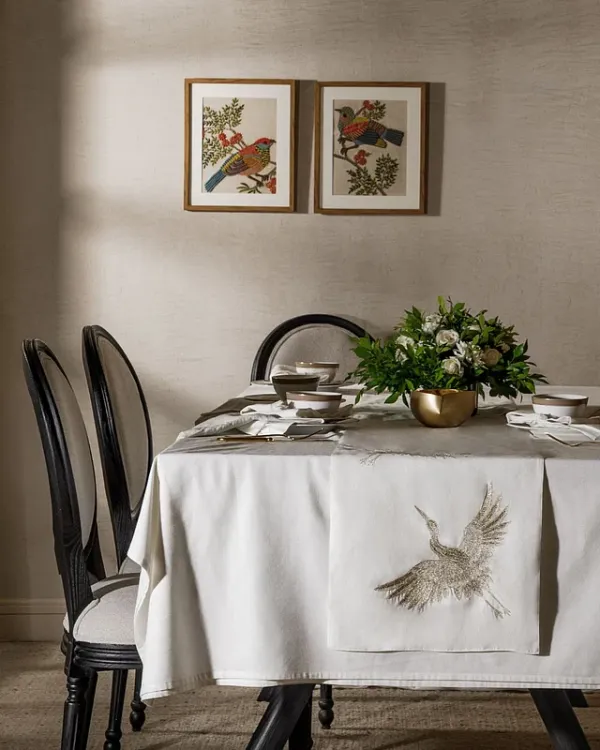
 Curate peaceful corners
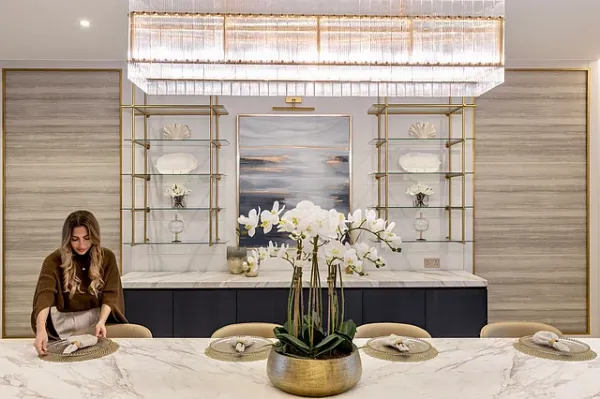
“During Ramadan, I encourage editing the space down to what truly matters. Clear visual clutter, allow negative space to breathe, and anchor the room with one strong element, whether it is a beautifully crafted console, a sculptural object, or a quietly detailed wall surface,” says Kadambari Uppal, founder of KAD Designs
How to do it:
Soft, warm lighting for a gentle glow
Choose natural wood, stone finishes, or brushed metals
Use incense sticks, essential oils, or scented candles with fragrances like oud, rose, or jasmine to evoke a sense of calm and spirituality.
Create a cozy reading nook or prayer corner with plush cushions and soft lighting.
 It's all in the details
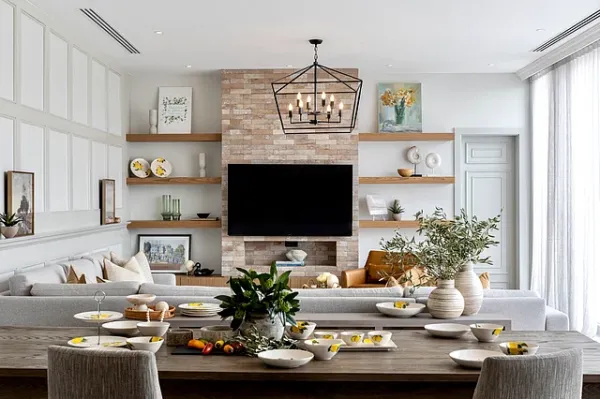
“Personal objects—heirlooms, inherited serveware, collected pieces—lend a home its emotional depth. These objects carry stories and memories, and when placed alongside contemporary handcrafted elements, they create a beautiful dialogue between past and present. During Ramadan, this conversation between objects and memory can make a home feel grounded and heartfelt,” says Anita Lal.
How to do it:
Add traditional patterns, motifs, and colours that reflect cultural heritage
Create a heritage corner: Designate a space with family photos, heirlooms, and mementos
Use heirloom-inspired decor: Add family heirlooms like lanterns or calligraphy
Display personal items like favourite books, prayer mats, or meaningful quotes.
Serve in heirloom trays and vintage crockery
Use inherited Handis and Samavar
Framed handwritten duas, old photographs, or textiles add emotional depth
(Shared by interior stylist Amita Trehan)
Handy tips by Sarita Handa
Start with a fresh slate: clear your table and refresh all linens.
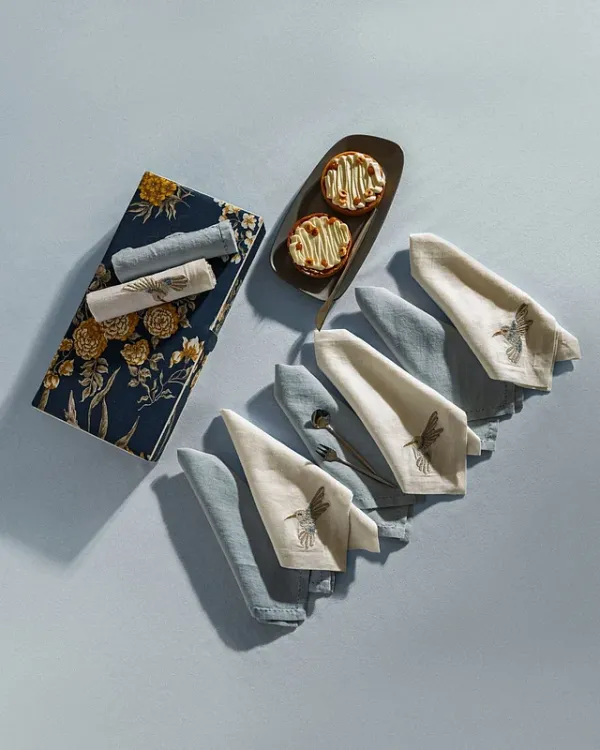
Lay down an embroidered runner for textural interest, then artfully arrange platters and candleholders for a sense of occasion.
Mix in artisanal cutlery and objects d’art to spark conversation and offer both utility and beauty.
Keep centrepieces low and uncluttered, ensuring guests have space to connect comfortably.
Wash and iron napkins, fluff seat cushions, and make use of any family heirlooms that tell a story.
A minimal editing of accessories—just enough to suggest warmth and welcome—lets each detail shine amid the delicious Iftar spread.
 Ramadan 2026: Rules, etiquette to follow in UAE; from dressing to work habits Dubai's Global Village announces timings for Ramadan 2026
-
Recipe : For evening breakfast make dessert style ‘Dahi Kachori’, spicy taste; Perfect choice for tea time snacks

-
Samsung Galaxy S26 Leaks: Upcoming Flagship To Feature Fastest Wireless Charging But Without Magnets, Check Launch Date And All Specs

-
Tripo Studio: A Detailed Look at an AI 3D Model Generator for Modern Creators

-
IranTensions – Khamenei Skips Key Air Force Anniversary Event
-
Starlink will enter the mobile market? Internet even in places without network? The world’s attention to the new plan of SpaceX