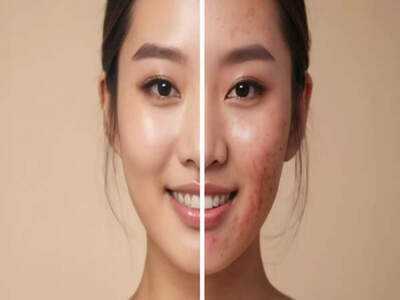
Factors Leading to Facial Acne: Many individuals desire clear, radiant skin, but the emergence of unexpected pimples can disrupt this goal. Often, a significant pimple appears right before an important event, impacting self-esteem.
Acne is a widespread issue that can affect individuals from their teenage years into adulthood, regardless of skin type. While many resort to high-end skincare products, the underlying causes often remain unaddressed, leading to recurring breakouts.
Acne is not solely the result of external factors; internal changes within the body also play a significant role. Therefore, identifying the root causes is crucial before implementing effective solutions. This article will explore all aspects related to acne.
Identifying the Causes of Acne
Acne develops when the skin's pores become blocked with oil, dirt, and dead skin cells.
The primary trigger is hormonal fluctuations, particularly during puberty, menstruation, pregnancy, or periods of stress.
Elevated hormone levels lead to increased sebum production, which, when combined with bacteria, results in pimples.
Other contributing factors include oily skin, unsuitable skincare products, heavy makeup use, junk food consumption, excessive dairy intake, insufficient sleep, and stress.
Touching the face frequently, using dirty pillowcases, or handling unclean mobile devices can also promote bacterial growth, leading to acne.
Preventive Measures for Acne
Wash your face twice daily with a gentle, sulfate-free cleanser.
Select oil-free and non-comedogenic products for skincare.
Exfoliate lightly once or twice a week, avoiding harsh scrubbing.
Limit junk food, sugar, and fried food intake.
Ensure 7-8 hours of sleep each night and engage in yoga or meditation to alleviate stress.
What to Do When Pimples Appear?
Refrain from popping or squeezing pimples, as this can lead to scarring and infections.
Use topical treatments containing salicylic acid or benzoyl peroxide as recommended by a healthcare professional.
For mild breakouts, aloe vera gel or tea tree oil may provide relief.
Minimize makeup use and maintain clean skin.
Addressing Persistent Acne
If acne persists or evolves into painful cystic forms, seek advice from a dermatologist.
Your doctor may suggest blood tests, hormone evaluations, or specific medications.
Avoid self-medication over extended periods.
With appropriate treatment, a balanced lifestyle, and consistent skincare, acne can be effectively managed.
PC Social Media
-
Instagram may soon launch an AI face swap feature, a leak reveals

-
Should You Withdraw Your EPF After Quitting a Job? Key Rules, Interest Benefits and Tax Impact Explained

-
India’s Retail Inflation at 2.75% Under New CPI Series; Base Year Updated to 2024

-
ICC T20 World Cup 2026: Sri Lanka Thrash Oman By 105 Runs In Dominant Group B Display At Pallekele

-
What's MS Dhoni's Connection With Pakistani 'Chucker' Usman Tariq That Made Him Leave His Salesman Job?