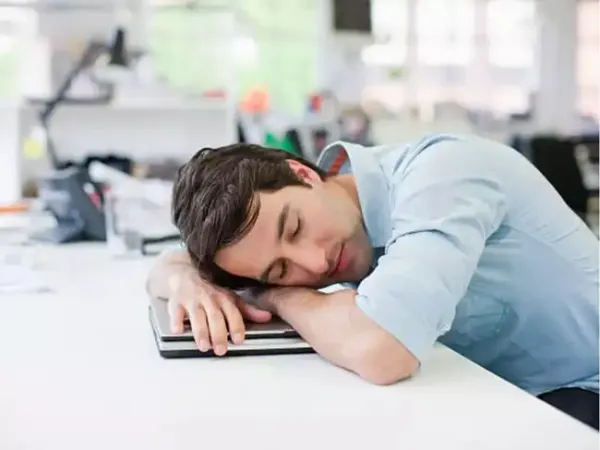
A frustrated worker recently shared his experience on the Reddit community Anti Work, expressing disbelief after being reprimanded for briefly dozing off during his lunch interval. According to his account, management had confronted him over allegations that he had been sleeping while on duty. Determined to address the issue, he approached his supervisor to clarify the accusations.
During their conversation, his manager informed him that over the previous month there had been five separate instances recorded in which he was seen asleep. One of those occasions allegedly occurred during active working hours, though he struggled to recall that specific moment. The remaining four incidents, however, took place during his designated lunch period.
His supervisor acknowledged that he might believe a meal break entitled him to rest, and she admitted she did not entirely fault him for thinking so. Nevertheless, she emphasized that the organization—ranked among the country’s leading employers—placed high importance on maintaining a polished and professional appearance. She explained that some colleagues valued workplace optics deeply, while others displayed intense dedication that shaped the company culture. Additionally, because certain employees scheduled their breaks between 1 and 2 p.m., his resting could create misunderstandings or give the wrong impression. Instead of napping, she suggested he consider alternatives such as chewing gum, sucking on candy, or sipping coffee to remain alert and visibly engaged.
Internally, the employee felt stunned and irritated by the advice. From his perspective, a brief ten-minute power nap significantly restored his energy and sharpened his focus for the remainder of the day. He believed that stimulants like caffeine or sweets only provided a short-lived surge, whereas sleep offered a complete reset.
The story sparked lively reactions online. One commenter recounted how their own supervisor discovered their habit of resting during lunch and responded supportively by placing a humorous sign on their office door indicating they were simply napping. The gesture became a source of amusement across the workplace. Another user shared a memory of a manager who would lower the lights in the break room at midday because many team members preferred to nap, describing it as one of the most restful periods of their career.
During their conversation, his manager informed him that over the previous month there had been five separate instances recorded in which he was seen asleep. One of those occasions allegedly occurred during active working hours, though he struggled to recall that specific moment. The remaining four incidents, however, took place during his designated lunch period.
His supervisor acknowledged that he might believe a meal break entitled him to rest, and she admitted she did not entirely fault him for thinking so. Nevertheless, she emphasized that the organization—ranked among the country’s leading employers—placed high importance on maintaining a polished and professional appearance. She explained that some colleagues valued workplace optics deeply, while others displayed intense dedication that shaped the company culture. Additionally, because certain employees scheduled their breaks between 1 and 2 p.m., his resting could create misunderstandings or give the wrong impression. Instead of napping, she suggested he consider alternatives such as chewing gum, sucking on candy, or sipping coffee to remain alert and visibly engaged.
Internally, the employee felt stunned and irritated by the advice. From his perspective, a brief ten-minute power nap significantly restored his energy and sharpened his focus for the remainder of the day. He believed that stimulants like caffeine or sweets only provided a short-lived surge, whereas sleep offered a complete reset.
The story sparked lively reactions online. One commenter recounted how their own supervisor discovered their habit of resting during lunch and responded supportively by placing a humorous sign on their office door indicating they were simply napping. The gesture became a source of amusement across the workplace. Another user shared a memory of a manager who would lower the lights in the break room at midday because many team members preferred to nap, describing it as one of the most restful periods of their career.