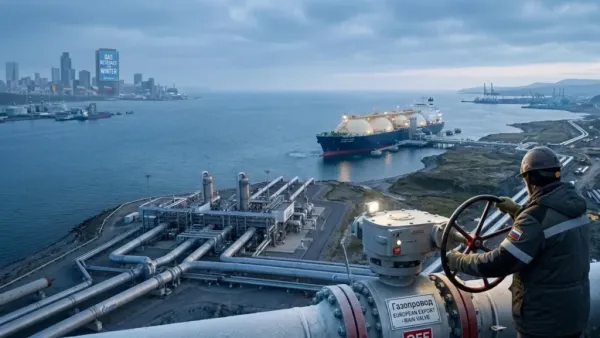
Russian President Vladimir Putin has suggested that Russia could stop supplying natural gas to the European Union sooner than expected, raising fresh questions about energy ties between Moscow and Europe. The remarks come as the EU continues its gradual plan to phase out Russian gas imports by 2027.
Speaking in a recent interview with Kremlin journalist Pavel Zarubin, Putin said it may be “more profitable” for Russia to exit the European gas market now rather than continue deliveries while Europe prepares to end its reliance on Russian energy. He indicated that Moscow could instead focus on other markets that are opening up, hinting at a shift in Russia’s long-term energy strategy.
For years, Europe has been one of the largest buyers of Russian natural gas. However, the relationship has changed sharply since the conflict in Ukraine and the wave of sanctions imposed by Western countries. European governments have been working to diversify their energy sources and reduce dependence on Russian supplies. According to EU plans, restrictions on short-term gas contracts with Russia are set to begin in 2026, with a broader ban on long-term pipeline and liquefied natural gas contracts scheduled by 2027.
Putin argued that rising gas prices in Europe are largely the result of the European Union’s own policy decisions rather than actions taken by Moscow. His comments suggest that Russia may be willing to accept the loss of the European market if alternative buyers can be secured. In recent years, Russia has expanded energy cooperation with Asian partners, particularly in the liquefied natural gas and pipeline sectors.
The timing of the statement is significant. European countries typically begin refilling gas storage facilities during the spring months in preparation for winter demand. Any sudden change in supply expectations can influence prices and market stability across the region. While European officials say they do not see an immediate supply risk, they are closely monitoring the situation as geopolitical tensions continue to affect global energy markets.
The discussion also highlights the growing use of energy as a strategic tool in international relations. Moscow’s willingness to reconsider its exports to Europe reflects broader changes in global energy flows since the Ukraine war began. At the same time, the EU’s phased restrictions show how legal measures and regulatory decisions are increasingly shaping the future of energy trade between states.
For Russia, the issue is not only economic but also geopolitical. A shift away from Europe could accelerate Moscow’s push toward alternative markets and partnerships. Whether such a move happens soon or remains a negotiating signal, Putin’s remarks underline how energy policy remains closely tied to the wider political dynamics between Russia and the West.
-
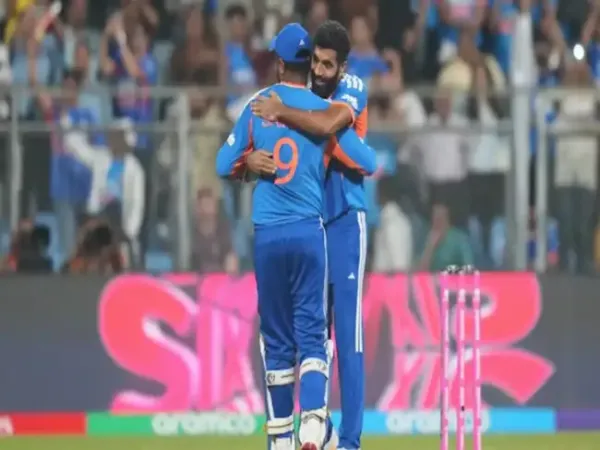
Yesterday match results: Sanju Samson’s classy 'Player of the Match' gesture for Jasprit Bumrah after India beat England in T20 World Cup semi-final
-
Oracle layoffs planned as data centre costs surge: Bloomberg
-
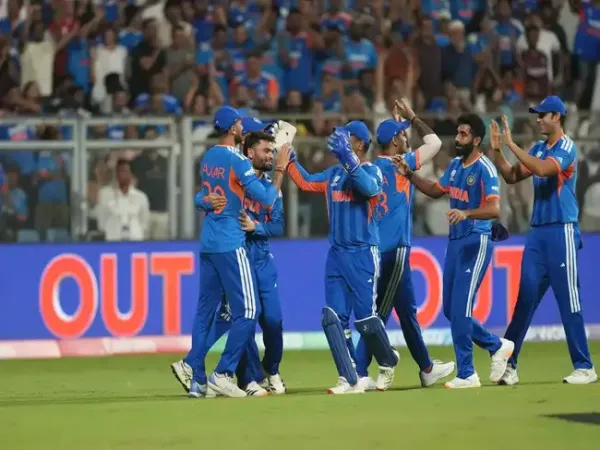
Yesterday match results: India beat England by 7 runs in thrilling T20 World Cup 2026 semi-final; Sanju Samson blazes with 89 runs
-
Axis AMC elevates R Sivakumar as CIO

-
Just Another Game In Many Ways But Carries Different Weight As Its T20 WC Knockout: Banton