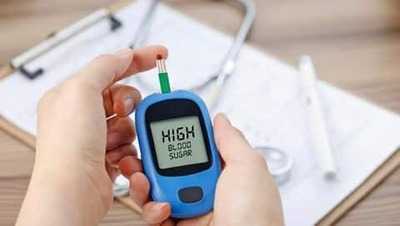
The AI did even better in real-world tests using low-cost cameras run by nondoctors.
Offline smartphone triage studies reported sensitivities near 94%; no comparable 60% detection rate for human experts in the same real-world settings is documented.
In specialist clinics, AI tools have shown high accuracy.
The source study does not report a multi-year lead time for earlier detection.
By combining OCT, visual field, and clinical data, a multimodal model predicted the need for incisional surgery (reported AUROC 0.92) without specifying a multi-year lead time.
With India having one-fifth of the world's glaucoma burden (and most cases missed until it's too late), AI could be a game-changer.
At a Pune camp, it helped catch early-stage glaucoma in a patient who would have otherwise gone unnoticed.
-
From chicken tikka to musakhan: Iftar dishes that unite UAE residents

-
'Prakrit is, like Sanskrit, a literary language': Infosys Prize 2025 winner Andrew Ollett

-
India's summer forecast is a warning that extreme heat can affect democracy
-
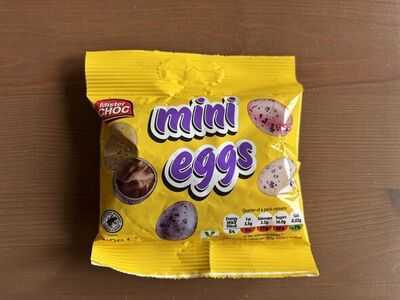
I tried mini eggs from Aldi, Asda, M&S and Lidl - one was better and cheaper than Cadbury
-
TN Assembly polls: CPI firm on six seats as DMK alliance talks hit deadlock