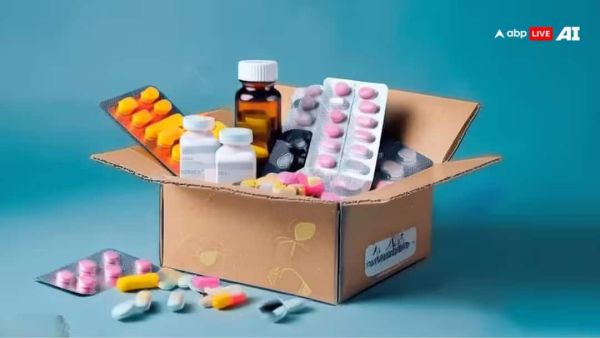
The ongoing conflict in Iran, unfolding thousands of kilometres away, is now impacting the availability of essential medicines in India. Supplies of raw materials used in widely consumed drugs, from Paracetamol for fever to Metformin for diabetes, have been affected.
The Federation of Pharma Entrepreneurs (FOPE) has sent an emergency communication to the central government, warning that without immediate intervention, the country could face a serious shortage of essential medicines.
Early Signs Of Stress Visible In The Market
The impact is already being felt at the wholesale level. Ashish Grover, president of the Delhi Drug Traders Association, said wholesale prices of medicines have risen by 10 to 15 per cent.
This means drugs are leaving factories at higher prices, a cost that is likely to be passed on to patients.
Medicines expected to be most affected include:
Paracetamol — commonly used for fever
Amoxicillin — used for bacterial infections
Metformin — taken daily by millions of diabetes patients
Azithromycin — prescribed for respiratory and throat infections
These are widely used medicines forming part of daily treatment for millions. However, there is no shortage at present, though some dealers have begun selling them at higher prices, and there is no need for panic.
FOPE Flags Sharp Rise In Input Costs
According to FOPE’s letter, prices of Active Pharmaceutical Ingredients (APIs), the key raw materials used in medicines, have surged by 20% to 60% within just 8–9 days.
In addition, supplies of chemical solvents and intermediates used in drug manufacturing have become irregular, affecting production at factories.
Packaging materials such as PVC compounds, bottles, film, Alu-Alu, and foil have also seen sharp price increases. FOPE noted that this has turned existing production contracts into loss-making arrangements.
The organisation also alleged that some suppliers are deliberately creating artificial shortages, with MSME pharma units bearing the brunt. Several smaller companies are being forced to slow down or halt production.
Supply Chain Disruption Traced To Iran Conflict
India is often referred to as the “pharmacy of the world”, producing 20% of global generic medicines. However, over 70% of its API requirements are sourced from China, with dependency rising to 87% for antibiotics.
These supplies are transported via maritime routes, making them vulnerable to geopolitical disruptions.
Key routes, including the Strait of Hormuz, Red Sea, and Suez Canal, have been impacted following the Iran conflict. Cargo vessels are either stranded in the Gulf or rerouting via the longer Cape of Good Hope route.
As a result, shipments that earlier took 20 days are now taking 45–50 days, while shipping costs have risen three to five times. An additional war surcharge of $3,000–5,000 per container is also being levied.
Just-In-Time Model Adds To Vulnerability
Most Indian pharmaceutical companies operate on a “just-in-time” inventory model, maintaining minimal stock to reduce costs. While efficient under normal conditions, this approach has proven fragile during disruptions.
If shipment delays persist for a few more weeks, shortages of certain medicines could begin to appear in the market.
A similar situation was seen during the COVID-19 pandemic in 2020, when supply disruptions from China forced India to restrict exports of Paracetamol and antibiotics.
Industry Seeks Government Intervention
FOPE has urged the National Pharmaceutical Pricing Authority (NPPA) to invoke Para 19 of the Drug Price Control Order (DPCO), 2013, which allows price increases under extraordinary circumstances.
The industry argues that with prices already regulated, it cannot absorb such a sharp rise in input costs alone.
While the government’s Production Linked Incentive (PLI) scheme aims to boost domestic API production, with 32 projects completed and 56,679 metric tonnes of new capacity created, it is seen as a long-term solution. Immediate intervention is required to address the current crisis.
Risk Of Rising Medicine Prices
If the situation persists, wholesale prices of medicines could rise by another 10–15%, followed by increases in maximum retail prices (MRP).
This means a medicine currently priced at Rs 50 could rise to Rs 60–65.
The burden is expected to fall most heavily on patients requiring daily medication, including those with diabetes, blood pressure and asthma.
-
BBC presenter's £4m fortune given to charity over court battle for homemade will

-
Countryfile's Matt Baker's mum breaks down over farm's future 'can't do this anymore'

-
Liam Rosenior's reaction as Chelsea star Enzo Fernandez drops transfer bombshell

-
Delhi High Court Issues Notice Against Summons to Bina Modi and Lalit Bhasin
-
Tahir Hussain Seeks Interim Bail for Medical Reasons Amid Ongoing Legal Troubles