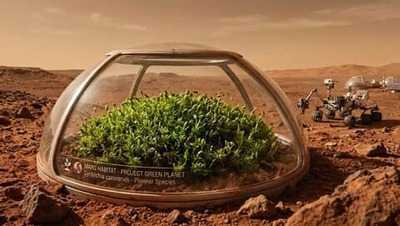
This moss withstood very high gamma radiation doses in the low thousands of grays (reported values include ~4,000 Gy ; lethal effects reported near ~5,000 Gy), more than tardigrades (the tiny "indestructible" animals) and roughly 100 times the typical human lethal dose (if using ~50 Gy as the human lethal-dose reference).
It's the first time researchers have tested whole plants for surviving space-like extremes.
The secret? The moss keeps its cells intact and stores sugars that help it revive fast after stress.
After a week in simulated Martian conditions (CO2-rich, low-oxygen atmosphere, bone-dry air, freezing temperatures, harsh ultraviolet radiation) it later regenerated once returned to recovery conditions (regrowth observed over the following days-weeks).
Scientists think this super-moss could help kickstart life-supporting soil on Mars someday, making real-life space habitats more possible.
-
When Will the CTET Results Be Released? Find Out Where This Certificate Can Help You Become a Government Teacher

-
How Can Class 9 Female Students in Delhi Receive a Bicycle, and Where Must They Apply?

-
Major Announcement for Women in Delhi: Receive ₹2,500 Every Month—Find Out Where to Apply

-
Major Relaxation in Rules for Retaining Railway Accommodation: How Will Railway Employees Benefit?

-
PNG Connection: Free Gas, Security Fee Waived… Government Launches Attractive Scheme for PNG Connections—Who Stands to Benefit?