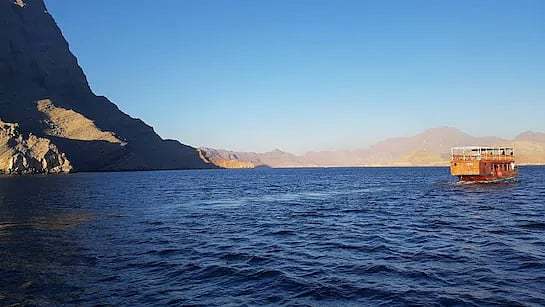
Iran rejected claims it charges vessels $2 million to transit the Strait of Hormuz, calling them unfounded. The Iran embassy in India said such views were personal, not official. Reports cited lawmaker Alaeddin Boroujerdi backing the toll as a sovereign measure, but Tehran distanced itself from those statements amid regional tensions with the US and Israel.
New Delhi: Iran on Monday refuted claims about Tehran receiving $2 million from vessels transiting through the critical Strait of Hormuz, terming such reports as 'unfounded'.
Taking to X, the Iran embassy in India posted, "In response to certain claims regarding the alleged receipt of a sum of 2 million dollars by the Islamic Republic of Iran from vessels transiting the Strait of Hormuz, it is emphasised that such claims are unfounded. The statements made in this regard merely reflect the personal views of individuals and do not, in any way, represent the official position of the Islamic Republic of Iran," the statement read.
The statement comes hours after reports emerged stating that Iran has started charging select vessels up to USD 2 million (approximately Rs 18.8 crore) to pass through the Strait of Hormuz, signalling a major shift in its control over one of the world’s most strategically important shipping routes amid the ongoing conflict with the United States and Israel.
The move was confirmed by Iranian lawmaker Alaeddin Boroujerdi, a member of the parliament’s national security committee, who described the toll as part of a new sovereign regime in the strait. “Collecting $2 million as transit fees from some vessels reflects Iran’s strength,” he said, according to Iran International, adding that war-related costs necessitated the decision.
-
Gold gained strongly since 2024 but recent volatility raises investor concerns
-
The left hand of darkness Ursula K Le Guin

-
The triple blow: India’s gathering economic storm
-
Hormuz, escalation or exit? From Nowruz to Easter, a bridge for Trump to build - or is it a bridge too far?
-
The other Ether-blend solution: How DME could ease India’s LPG crisis