The 2026 West Bengal assembly elections showcased a complex interplay of personality, identity, welfare politics and institutional dynamics, finally leading to an outcome that was not widely expected. At the centre of this contest stood an almost personal battle between Mamata Banerjee and the BJP that played out in sharp, unusual ways.
With Banerjee's brand of politics that endured for 15 long years finally meeting its match in BJP's aggressive push, political pundits are looking at the verdict as a reconfiguration of the state’s political arithmetic.
The three Ms -- Mamata, Mahila voters, Muslims -- may have played major roles in the outcome, along with the central paramilitary forces. These four factors appear particularly significant in shaping the trajectory of Bengal's elections: Banerjee’s personal political brand, the behaviour of Muslim voters, the role of women voters, and the presence of paramilitary forces. Here's a look at each of them.
Also read | SC may consider plea on continued central forces deployment in West Bengal amid post-poll violence apprehension
Her hold over key constituencies such as Bhabanipur reflects this personal connection. The seat has evolved into a "personal bastion," demonstrating not just party loyalty but a direct voter-leader relationship reinforced over time.
In effect, this election was not merely a party contest; it was, to a large extent, a referendum on Banerjee herself. Going by the counting numbers that are out so far, it would seem that the BJP may've found a way to blunt the edge of her enduring political appeal.
Minority strongholds such as Murshidabad and Malda witnessed signs of discontent driven by issues like electoral roll concerns, reservation debates and local grievances, a ET report says. Additionally, the emergence of alternative political formations and alliances likely fragmented this vote.
Yet, electoral behaviour among Muslim voters in Bengal has often been shaped by strategic consolidation in the face of perceived political threats. Past trends suggest that when confronted with a strong opposition challenge, particularly one framed around identity politics, Muslim voters tend to rally behind the most viable counterforce.
Also read | Twist of history: Will a party founded by a Bengali win West Bengal?
The 2026 election likely saw a tension between fragmentation and consolidation. While broader political polarisation could still have driven tactical voting in some areas, local dissatisfaction and new alliances may have divided votes in others.
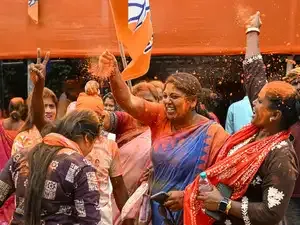
Mamata has long kept the women electorate on her side with the help of various schemes and freebies. This time, the BJP one-upped her, offering higher doles to the women voters, likely wooing a large number of them over to its side.
The importance of this demographic was evident in the political discourse. Right after the Women's Reservation Bill was defeated in Parliament, PM Modi accused the TMC of "betraying women".
While TMC’s welfare programmes have undeniably created a strong support base among women, BJP's attempt to reset the narrative around empowerment, representation and governance seems to have played a role this time. Women’s voting patterns may have been a decisive swing factor -- particularly in closely contested constituencies where margins were thin.
Mamata Banerjee repeatedly alleged that central forces were used to intimidate her party workers and influence the electoral process. During the polling phases, she accused the Election Commission and CRPF of “harassing party workers” and undermining democratic norms.
These allegations point to a broader issue: in highly polarised elections, even neutral institutional interventions can become politically charged. The perception of bias -- whether substantiated or not -- can influence voter turnout, confidence and ultimately electoral outcomes.
Moreover, heavy deployment of forces can shape the electoral environment itself, particularly in areas with a history of political violence. For some voters, it may enhance a sense of security; for others, it may reinforce fears of coercion.
In these elections, according to analysts, the presence of the forces may have emboldened a large chunk of the electorate to come out and vote, and the announcement that the forces would stay put even after the elections may have led to higher turnout by voters who may have otherwise stayed away, potentially loading the dice in BJP's favour.
Assembly Elections 2026
Election Results 2026 Live Updates: Who's ahead in which state
West Bengal Election Results 2026 Live Updates
TN Election Result 2026 Live Updates
The three Ms -- Mamata, Mahila voters, Muslims -- may have played major roles in the outcome, along with the central paramilitary forces. These four factors appear particularly significant in shaping the trajectory of Bengal's elections: Banerjee’s personal political brand, the behaviour of Muslim voters, the role of women voters, and the presence of paramilitary forces. Here's a look at each of them.
Brand 'Didi' comes up short
Few regional leaders in India have cultivated as strong a personal political identity as Mamata Banerjee. Her image as a grassroots fighter -- often brought into play through her "Didi" persona -- was central to the TMC’s electoral strategy all these years. Her political brand is rooted in populist welfare schemes, street-level politics, and identity-based mobilization, which has sustained her dominance over 15 years despite mounting challenges.Also read | SC may consider plea on continued central forces deployment in West Bengal amid post-poll violence apprehension
Her hold over key constituencies such as Bhabanipur reflects this personal connection. The seat has evolved into a "personal bastion," demonstrating not just party loyalty but a direct voter-leader relationship reinforced over time.
In effect, this election was not merely a party contest; it was, to a large extent, a referendum on Banerjee herself. Going by the counting numbers that are out so far, it would seem that the BJP may've found a way to blunt the edge of her enduring political appeal.
The minority vote
Muslim voters, who constitute a substantial share of West Bengal’s electorate, have historically been a cornerstone of TMC’s support base. However, the 2026 elections revealed a more nuanced picture.Minority strongholds such as Murshidabad and Malda witnessed signs of discontent driven by issues like electoral roll concerns, reservation debates and local grievances, a ET report says. Additionally, the emergence of alternative political formations and alliances likely fragmented this vote.
Yet, electoral behaviour among Muslim voters in Bengal has often been shaped by strategic consolidation in the face of perceived political threats. Past trends suggest that when confronted with a strong opposition challenge, particularly one framed around identity politics, Muslim voters tend to rally behind the most viable counterforce.
Also read | Twist of history: Will a party founded by a Bengali win West Bengal?
The 2026 election likely saw a tension between fragmentation and consolidation. While broader political polarisation could still have driven tactical voting in some areas, local dissatisfaction and new alliances may have divided votes in others.
Mahila voters: Welfare politics versus political narratives
Women voters have been a crucial constituency in the Bengal elections. Over the years, the TMC government has implemented several welfare schemes targeted at women, which have played a key role in building electoral loyalty.Mamata has long kept the women electorate on her side with the help of various schemes and freebies. This time, the BJP one-upped her, offering higher doles to the women voters, likely wooing a large number of them over to its side.
The importance of this demographic was evident in the political discourse. Right after the Women's Reservation Bill was defeated in Parliament, PM Modi accused the TMC of "betraying women".
While TMC’s welfare programmes have undeniably created a strong support base among women, BJP's attempt to reset the narrative around empowerment, representation and governance seems to have played a role this time. Women’s voting patterns may have been a decisive swing factor -- particularly in closely contested constituencies where margins were thin.
New force multiplier
The deployment of central paramilitary forces, especially the Central Reserve Police Force (CRPF), has been a defining feature of Bengal elections. While such deployments are intended to ensure free and fair polling, they have also become politically contentious.Mamata Banerjee repeatedly alleged that central forces were used to intimidate her party workers and influence the electoral process. During the polling phases, she accused the Election Commission and CRPF of “harassing party workers” and undermining democratic norms.
These allegations point to a broader issue: in highly polarised elections, even neutral institutional interventions can become politically charged. The perception of bias -- whether substantiated or not -- can influence voter turnout, confidence and ultimately electoral outcomes.
Moreover, heavy deployment of forces can shape the electoral environment itself, particularly in areas with a history of political violence. For some voters, it may enhance a sense of security; for others, it may reinforce fears of coercion.
In these elections, according to analysts, the presence of the forces may have emboldened a large chunk of the electorate to come out and vote, and the announcement that the forces would stay put even after the elections may have led to higher turnout by voters who may have otherwise stayed away, potentially loading the dice in BJP's favour.