
Listen to this article in summarized format
Loading...
××
Subscribe to

Unlock AI Briefing and Premium Content
New Year Offer 24 Hours Left
Subscribe NowAlready a member? Sign In
What's Included
- Exclusive Stories
- Daily ePaper Access
- Smart Market Tools
- Curated Investment Ideas
- Ad-lite Experience
Subscription

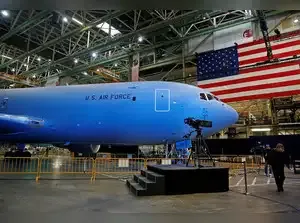
Where is USAF second tanker Boeing KC-46 Pegasus, and why did it declare emergency over Persian Gulf? This question gained attention after flight tracking showed two US Air Force refuelling aircraft declaring a 7700 general emergency within hours. One tanker disappeared from radar near the Strait of Hormuz. Another tanker flew west over Saudi Arabia after transmitting an emergency code. Reports also mention GPS and AIS jamming in the region. Officials have not confirmed the status of the aircraft. This report explains the timeline, the flight path, the meaning of 7700 emergency, the role of tanker aircraft, and the possible causes behind radar loss.
Flight tracking data and regional reports indicate that a second US Air Force tanker aircraft declared a general emergency after flying through the Gulf region. The aircraft involved was a Boeing KC-46A Pegasus tanker. It transmitted the emergency squawk code 7700 while flying east of Riyadh and heading west across Saudi Arabia.
Where is USAF second tanker Boeing KC-46 Pegasus, and why did it declare emergency over Persian Gulf?
The second tanker from the United States Air Force continued flying west after transmitting the 7700 general emergency while operating near the Persian Gulf. Flight tracking showed the aircraft moving across Saudi Arabia at 22,000 feet after flying from Tel Aviv and passing the Strait of Hormuz. The reason for the emergency remains unknown. Reports of GPS and navigation interference in the region may have affected tracking. The aircraft was likely supporting refuelling operations involving aircraft built by Boeing. Officials have not confirmed the aircraft’s final status or destination.
Timeline of two emergency tanker aircraft incidents
The incident started earlier when a US KC-135R Stratotanker transmitted a 7700 distress signal over the Persian Gulf near Iran. Flight tracking platforms reported the aircraft was heading toward Qatar when the signal appeared. Soon after transmitting the emergency code, the aircraft disappeared from radar tracking systems. Its final status remains unknown. No official confirmation has been issued regarding whether the aircraft landed safely or crashed.
Two hours later, another tanker aircraft, the KC-46 Pegasus, also transmitted a 7700 general emergency code. This aircraft had departed from Tel Aviv more than 17 hours earlier. Flight tracking data suggests the KC-46 may have been refuelled by the KC-135 tanker before the first aircraft lost its signal. Tracking of the second tanker became intermittent as it flew over Saudi Arabia.
Where is USAF second tanker Boeing KC-46 Pegasus? Flight path explained
Reports show the KC-46 Pegasus crossed the Strait of Hormuz and the United Arab Emirates before flying east of Riyadh. At the time of the emergency transmission, the aircraft was flying west across Saudi Arabia at 22,000 feet. Flight tracking indicated the aircraft continued moving after declaring the emergency. However, tracking signals became unstable and inconsistent. There is still no official statement confirming its destination or status.
Why did USAF second tanker Boeing KC-46 Pegasus declare emergency over Persian Gulf?
There is no official confirmation of the cause of the emergency. However, reports mention heavy regional GPS and AIS jamming activity detected across the Strait of Hormuz during the same time period. Radar drops and emergency squawks are reported to occur in the region due to electronic warfare activity. The lack of official confirmation means the emergency may not be linked to hostile action. Authorities have not confirmed any crash or attack.
What is 7700 general emergency?
The 7700 squawk code is an internationally recognised emergency signal used by aircraft. Pilots transmit this code when facing a serious in-flight emergency. The code alerts air traffic control and nearby aircraft that the plane requires priority assistance. Reasons for a 7700 emergency can include technical problems, medical emergencies, fuel issues, or communication failure. The use of the code does not confirm a crash or hostile incident.
What was USAF second tanker Boeing KC-46 Pegasus flight plan?
Flight tracking suggests the KC-46 departed Tel Aviv and operated over the Gulf region for more than 17 hours. The aircraft likely supported aerial refuelling missions. The KC-46 appeared to have interacted with the KC-135 tanker before the earlier emergency occurred. After transmitting the 7700 signal, the aircraft continued westward across Saudi Arabia. No official flight plan has been released.
What is FL220?
FL220 stands for Flight Level 220. This means the aircraft was flying at 22,000 feet above sea level. Flight levels are used in aviation to maintain safe separation between aircraft. Military tanker aircraft often operate at high altitudes during refuelling missions.
What happened to the KC-135 Stratotanker?
The earlier incident involved a KC-135 Stratotanker which departed from Al Dhafra Air Base in the UAE. The aircraft transmitted a 7700 emergency signal while operating over the Strait of Hormuz. It was reportedly flying toward Qatar when its signal disappeared. Reports mention helicopters were observed in the area after the signal loss. Officials have not confirmed the aircraft’s fate. No confirmation has been issued by US Central Command or the Pentagon.
Previous tanker incident during US-Iran tensions
A similar tanker incident happened in March. Two aircraft were involved in an incident in western Iraq. One aircraft went down while another landed safely. US Central Command stated the crash was not caused by hostile fire. However, Iran-supported groups later claimed responsibility. This history adds concern to the latest tanker emergency reports.
What is the KC-135 Stratotanker?
The KC-135 Stratotanker is a military refuelling aircraft. It serves as an airborne fuel station for fighter jets and bombers. The aircraft has four turbofan engines under swept wings. It can also carry cargo, passengers, and medical patients. The tanker has been used by the US Air Force for more than 60 years. It helps extend the range and endurance of military aircraft.
No official confirmation yet
There has been no mention of the incident during the US Defence Secretary press briefing. No official statement has confirmed a crash, loss, or hostile action. The situation remains unconfirmed. The aircraft status is still unknown.
FAQs
Q1: Why did the second US tanker declare a 7700 emergency over the Persian Gulf?
The tanker transmitted 7700 to indicate a serious in-flight emergency. The exact reason remains unknown. Possible causes include technical issues, navigation interference, fuel concerns, or medical emergencies.
Q2: Is the missing second US tanker confirmed crashed or shot down?
No official confirmation exists. Authorities have not confirmed a crash, landing, or hostile action. The aircraft status remains unknown while statements from officials are awaited.
Flight tracking data and regional reports indicate that a second US Air Force tanker aircraft declared a general emergency after flying through the Gulf region. The aircraft involved was a Boeing KC-46A Pegasus tanker. It transmitted the emergency squawk code 7700 while flying east of Riyadh and heading west across Saudi Arabia.
Where is USAF second tanker Boeing KC-46 Pegasus, and why did it declare emergency over Persian Gulf?
The second tanker from the United States Air Force continued flying west after transmitting the 7700 general emergency while operating near the Persian Gulf. Flight tracking showed the aircraft moving across Saudi Arabia at 22,000 feet after flying from Tel Aviv and passing the Strait of Hormuz. The reason for the emergency remains unknown. Reports of GPS and navigation interference in the region may have affected tracking. The aircraft was likely supporting refuelling operations involving aircraft built by Boeing. Officials have not confirmed the aircraft’s final status or destination.Timeline of two emergency tanker aircraft incidents
The incident started earlier when a US KC-135R Stratotanker transmitted a 7700 distress signal over the Persian Gulf near Iran. Flight tracking platforms reported the aircraft was heading toward Qatar when the signal appeared. Soon after transmitting the emergency code, the aircraft disappeared from radar tracking systems. Its final status remains unknown. No official confirmation has been issued regarding whether the aircraft landed safely or crashed.Two hours later, another tanker aircraft, the KC-46 Pegasus, also transmitted a 7700 general emergency code. This aircraft had departed from Tel Aviv more than 17 hours earlier. Flight tracking data suggests the KC-46 may have been refuelled by the KC-135 tanker before the first aircraft lost its signal. Tracking of the second tanker became intermittent as it flew over Saudi Arabia.
Where is USAF second tanker Boeing KC-46 Pegasus? Flight path explained
Reports show the KC-46 Pegasus crossed the Strait of Hormuz and the United Arab Emirates before flying east of Riyadh. At the time of the emergency transmission, the aircraft was flying west across Saudi Arabia at 22,000 feet. Flight tracking indicated the aircraft continued moving after declaring the emergency. However, tracking signals became unstable and inconsistent. There is still no official statement confirming its destination or status.Why did USAF second tanker Boeing KC-46 Pegasus declare emergency over Persian Gulf?
There is no official confirmation of the cause of the emergency. However, reports mention heavy regional GPS and AIS jamming activity detected across the Strait of Hormuz during the same time period. Radar drops and emergency squawks are reported to occur in the region due to electronic warfare activity. The lack of official confirmation means the emergency may not be linked to hostile action. Authorities have not confirmed any crash or attack.What is 7700 general emergency?
The 7700 squawk code is an internationally recognised emergency signal used by aircraft. Pilots transmit this code when facing a serious in-flight emergency. The code alerts air traffic control and nearby aircraft that the plane requires priority assistance. Reasons for a 7700 emergency can include technical problems, medical emergencies, fuel issues, or communication failure. The use of the code does not confirm a crash or hostile incident.What was USAF second tanker Boeing KC-46 Pegasus flight plan?
Flight tracking suggests the KC-46 departed Tel Aviv and operated over the Gulf region for more than 17 hours. The aircraft likely supported aerial refuelling missions. The KC-46 appeared to have interacted with the KC-135 tanker before the earlier emergency occurred. After transmitting the 7700 signal, the aircraft continued westward across Saudi Arabia. No official flight plan has been released.What is FL220?
FL220 stands for Flight Level 220. This means the aircraft was flying at 22,000 feet above sea level. Flight levels are used in aviation to maintain safe separation between aircraft. Military tanker aircraft often operate at high altitudes during refuelling missions.What happened to the KC-135 Stratotanker?
The earlier incident involved a KC-135 Stratotanker which departed from Al Dhafra Air Base in the UAE. The aircraft transmitted a 7700 emergency signal while operating over the Strait of Hormuz. It was reportedly flying toward Qatar when its signal disappeared. Reports mention helicopters were observed in the area after the signal loss. Officials have not confirmed the aircraft’s fate. No confirmation has been issued by US Central Command or the Pentagon.Previous tanker incident during US-Iran tensions
A similar tanker incident happened in March. Two aircraft were involved in an incident in western Iraq. One aircraft went down while another landed safely. US Central Command stated the crash was not caused by hostile fire. However, Iran-supported groups later claimed responsibility. This history adds concern to the latest tanker emergency reports.What is the KC-135 Stratotanker?
The KC-135 Stratotanker is a military refuelling aircraft. It serves as an airborne fuel station for fighter jets and bombers. The aircraft has four turbofan engines under swept wings. It can also carry cargo, passengers, and medical patients. The tanker has been used by the US Air Force for more than 60 years. It helps extend the range and endurance of military aircraft.No official confirmation yet
There has been no mention of the incident during the US Defence Secretary press briefing. No official statement has confirmed a crash, loss, or hostile action. The situation remains unconfirmed. The aircraft status is still unknown.FAQs
Q1: Why did the second US tanker declare a 7700 emergency over the Persian Gulf?
The tanker transmitted 7700 to indicate a serious in-flight emergency. The exact reason remains unknown. Possible causes include technical issues, navigation interference, fuel concerns, or medical emergencies.
Q2: Is the missing second US tanker confirmed crashed or shot down?
No official confirmation exists. Authorities have not confirmed a crash, landing, or hostile action. The aircraft status remains unknown while statements from officials are awaited.