India’s cumulative ethanol supplies touched approximately 515 crore litres during the first six months of Ethanol Supply Year (ESY) 2025-26, according to industry estimates and supply trends compiled by the All India Distillers’ Association (AIDA).
The data indicates that against a total contracted volume of 1,059 crore litres, the industry has already supplied nearly 49% within the first half of the supply year.
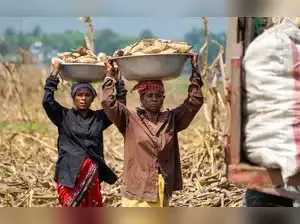
A major highlight emerging from the latest supply data is the emergence of maize as India’s single-largest ethanol feedstock, underlining a significant structural shift in the country’s biofuel landscape.
Industry experts believe the growing dependence on maize-based ethanol reflects India’s transition towards a more diversified, stable, and scalable feedstock ecosystem capable of supporting higher blending targets in the coming years.
Key feedstock-wise trends include:
Experts also note that the rapid increase in maize utilization is likely to trigger fresh investments in grain storage, rural supply chains, ethanol capacities, and agri-processing infrastructure across several states.
Within this category:
Vijendra Singh, President, AIDA said, “India’s ethanol programme has now entered a decisive growth phase and requires long-term policy certainty to unlock its full potential. India’s ethanol blending programme is today among the fastest-growing biofuel success stories globally. The emergence of maize as the leading feedstock reflects the sector’s increasing maturity, diversification, and long-term sustainability”.
Bharati Balaji, Dy. Director General, AIDA said, “crossing 515 crore litres of ethanol supplies in just the first half of ESY 2025-26 demonstrates the industry’s strong production capabilities and commitment towards supporting the Government’s clean energy vision. The sector is now prepared to support higher blending targets, flex-fuel mobility, sustainable aviation fuel, and next-generation biofuel applications. With the right policy support and long-term roadmap, India has the potential to emerge as a global leader in biofuels while simultaneously strengthening farmer incomes, rural investments, and national energy security.”
The data indicates that against a total contracted volume of 1,059 crore litres, the industry has already supplied nearly 49% within the first half of the supply year.
A major highlight emerging from the latest supply data is the emergence of maize as India’s single-largest ethanol feedstock, underlining a significant structural shift in the country’s biofuel landscape.
Industry experts believe the growing dependence on maize-based ethanol reflects India’s transition towards a more diversified, stable, and scalable feedstock ecosystem capable of supporting higher blending targets in the coming years.
Maize Becomes India’s Largest Ethanol Feedstock
Grain-based distilleries contributed approximately 333 crore litres during the period and among all feedstocks, maize recorded the highest contribution and emerged as the dominant driver of India’s ethanol supply growth.Key feedstock-wise trends include:
- Maize-based ethanol emerged as the largest contributor with around 182 crore litres supplied.
- Surplus rice/surplus food grain (SFG) contributed nearly 125 crore litres.
- Distilleries using damaged food grains (DFG) supplied approximately 26 crore litres.
Experts also note that the rapid increase in maize utilization is likely to trigger fresh investments in grain storage, rural supply chains, ethanol capacities, and agri-processing infrastructure across several states.
Sugarcane-Based Distilleries Record Strong Performance
Sugarcane-based distilleries supplied nearly 182 crore litres achieving around 62% of contracted volumes during the same period.Within this category:
- Sugarcane juice (SCJ) contributed the highest at approximately 130 crore litres, achieving nearly 79% of contracted supplies.
- B-heavy molasses (BHM) supplied around 45 crore litres.
- C-heavy molasses (CHM) contributed nearly 7 crore litres.
Ethanol Supplies Maintain Record Momentum
The monthly supply pattern also reflects sustained momentum, with supplies crossing:- Around 102 crore litres in December 2025,
- Nearly 95 crore litres in March 2026, and
- Approximately 92 crore litres in April 2026.
Vijendra Singh, President, AIDA said, “India’s ethanol programme has now entered a decisive growth phase and requires long-term policy certainty to unlock its full potential. India’s ethanol blending programme is today among the fastest-growing biofuel success stories globally. The emergence of maize as the leading feedstock reflects the sector’s increasing maturity, diversification, and long-term sustainability”.
Bharati Balaji, Dy. Director General, AIDA said, “crossing 515 crore litres of ethanol supplies in just the first half of ESY 2025-26 demonstrates the industry’s strong production capabilities and commitment towards supporting the Government’s clean energy vision. The sector is now prepared to support higher blending targets, flex-fuel mobility, sustainable aviation fuel, and next-generation biofuel applications. With the right policy support and long-term roadmap, India has the potential to emerge as a global leader in biofuels while simultaneously strengthening farmer incomes, rural investments, and national energy security.”