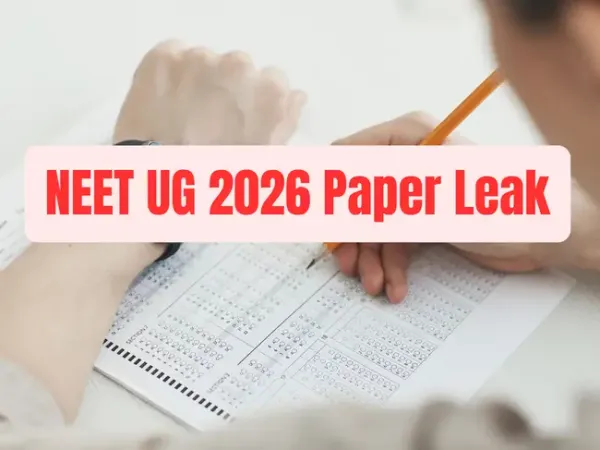
The National Testing Agency (NTA) has cancelled the NEET-UG 2026 examination conducted on May 3, 2026, after serious allegations emerged of a possible paper leak and widespread circulation of “guess papers” that allegedly overlapped significantly with the actual question paper.
According to official statements, the decision was taken after inputs from multiple states and investigative agencies suggested that the integrity of the examination process could no longer be guaranteed.
In its official communication, the NTA stated: “On the basis of inputs subsequently examined by NTA in coordination with central agencies, and the investigative findings shared by the law enforcement agencies, the National Testing Agency, with the approval of the Government of India, has decided to cancel the NEET (UG) 2026 examination conducted on 3 May 2026, and to re-conduct the examination on dates that will be notified separately.”
The Centre has also referred the matter to the Central Bureau of Investigation (CBI) for a comprehensive inquiry.
What happened during NEET-UG 2026 on May 3?
The NEET-UG 2026 examination was held on May 3 across India and select international centres for over 24 lakh aspirants. It is India’s largest medical entrance exam for MBBS, BDS, and allied undergraduate medical courses.
The NTA maintained that the exam was conducted under strict security arrangements, including:
However, within days, concerns began emerging about possible irregularities linked to question paper circulation before the exam.
What is the alleged “guess paper” controversy?
One of the central triggers behind the cancellation was the alleged circulation of a “guess paper” containing over 400 questions before the examination.
Investigators from Rajasthan Police’s Special Operations Group (SOG) claimed that:
A senior official stated: “There is a guess paper containing approximately 410 questions. Out of these 410 questions, it is alleged that roughly 120 questions actually appeared in the Chemistry section of the exam.”
Another key allegation was that nearly 25% of the circulated material matched the actual exam paper, raising concerns about systemic compromise.
How did the alleged NEET paper leak circulate?
As per a TOI report, investigations suggest the alleged leak followed a multi-state circulation network involving coaching hubs and intermediaries.
Preliminary findings indicate:
What role did Rajasthan and Uttarakhand play in the investigation?
Rajasthan and Uttarakhand emerged as key states in the early phase of the probe.
Authorities traced the suspected circulation route through:
TOI reported that Rajasthan SOG Director General Anand Srivastava said preliminary findings suggested a significant overlap between the circulated question material and the NEET-UG 2026 exam paper, thereby intensifying suspicions of organised malpractice.
When did authorities suspect something was wrong?
According to official timelines:
However, as more evidence surfaced, coordination between central agencies and state police intensified.
What action did the NTA take before cancelling the exam?
The NTA stated that it acted after receiving verified inputs from law enforcement agencies.
The agency said: “The present examination process could not be allowed to stand.”
It further emphasised that the decision was necessary to maintain fairness and public trust in the national examination system.
Key administrative decisions included:
What investigations and arrests have been made so far?
The Rajasthan Special Operations Group (SOG) has expanded its investigation across multiple states.
So far, actions include:
Authorities are also examining links to:
Was there a Maharashtra connection in the NEET controversy?
Separate allegations emerged from Latur in Maharashtra, where a coaching institute reportedly circulated NEET test-series materials online.
However, local police clarified that no formal investigation had been initiated at that stage, and the claims remain under scrutiny.
What political reactions followed the NEET cancellation?
The cancellation triggered immediate political reactions across parties.
Opposition leaders criticised the government’s handling of the examination system.
Rahul Gandhi alleged that NEET questions were being sold before the exam, calling it a failure of the examination framework.
Rajasthan Congress leaders also demanded a CBI probe, claiming: “Around 150 questions matched the so-called guess paper, making the leak 100% certain.”
The controversy reignited earlier debates around examination security and the credibility of national-level entrance tests, especially following past concerns in previous NEET cycles.
What happens next for NEET-UG aspirants?
Following the cancellation, the NTA has confirmed that:
What is the CBI investigating now?
The Central Bureau of Investigation (CBI) will conduct a comprehensive inquiry into:
NEET-UG 2026 cancellation
The cancellation of NEET-UG 2026 marks one of the most significant interventions in India’s medical entrance examination system in recent years. With over 24 lakh students affected, the decision reflects serious concerns about exam integrity, alleged question paper leaks, and the role of organised networks in manipulating competitive examinations.
While investigations are still ongoing, authorities have maintained that the re-examination is necessary to preserve transparency, fairness, and public confidence in the national testing system.
The coming weeks are expected to be crucial as the CBI probe progresses and fresh examination dates are announced.
Inputs from TOI
According to official statements, the decision was taken after inputs from multiple states and investigative agencies suggested that the integrity of the examination process could no longer be guaranteed.
In its official communication, the NTA stated: “On the basis of inputs subsequently examined by NTA in coordination with central agencies, and the investigative findings shared by the law enforcement agencies, the National Testing Agency, with the approval of the Government of India, has decided to cancel the NEET (UG) 2026 examination conducted on 3 May 2026, and to re-conduct the examination on dates that will be notified separately.”
The Centre has also referred the matter to the Central Bureau of Investigation (CBI) for a comprehensive inquiry.
What happened during NEET-UG 2026 on May 3?
The NEET-UG 2026 examination was held on May 3 across India and select international centres for over 24 lakh aspirants. It is India’s largest medical entrance exam for MBBS, BDS, and allied undergraduate medical courses.The NTA maintained that the exam was conducted under strict security arrangements, including:
- GPS-tracked transport of question papers
- Biometric verification of candidates
- AI-assisted CCTV surveillance
- Deployment of 5G jammers at examination centres
However, within days, concerns began emerging about possible irregularities linked to question paper circulation before the exam.
What is the alleged “guess paper” controversy?
One of the central triggers behind the cancellation was the alleged circulation of a “guess paper” containing over 400 questions before the examination.Investigators from Rajasthan Police’s Special Operations Group (SOG) claimed that:
- A question set of around 400+ questions began circulating days before the exam
- Around 100+ questions matched the NEET-UG 2026 paper
- The overlap was particularly significant in Biology and Chemistry
A senior official stated: “There is a guess paper containing approximately 410 questions. Out of these 410 questions, it is alleged that roughly 120 questions actually appeared in the Chemistry section of the exam.”
Another key allegation was that nearly 25% of the circulated material matched the actual exam paper, raising concerns about systemic compromise.
How did the alleged NEET paper leak circulate?
As per a TOI report, investigations suggest the alleged leak followed a multi-state circulation network involving coaching hubs and intermediaries.Preliminary findings indicate:
- The question bank may have originated from a medical student from Churu, Rajasthan, studying in Kerala
- The material was allegedly sent to an associate in Sikar on May 1
- It then moved through a Paying Guest (PG) accommodation network
- Coaching operators and intermediaries allegedly circulated it further
- Up to Rs 5 lakh two days before the exam
- Around Rs 30,000 on the eve of the examination
What role did Rajasthan and Uttarakhand play in the investigation?
Rajasthan and Uttarakhand emerged as key states in the early phase of the probe.Authorities traced the suspected circulation route through:
- Sikar, Rajasthan: a major coaching hub
- Dehradun, Uttarakhand: another suspected link in the network
TOI reported that Rajasthan SOG Director General Anand Srivastava said preliminary findings suggested a significant overlap between the circulated question material and the NEET-UG 2026 exam paper, thereby intensifying suspicions of organised malpractice.
When did authorities suspect something was wrong?
According to official timelines:- May 3: NEET-UG 2026 conducted nationwide
- May 7: NTA received suspicious inputs regarding possible question pre-circulation
- May 8: Information escalated to central agencies for verification
However, as more evidence surfaced, coordination between central agencies and state police intensified.
What action did the NTA take before cancelling the exam?
The NTA stated that it acted after receiving verified inputs from law enforcement agencies.The agency said: “The present examination process could not be allowed to stand.”
It further emphasised that the decision was necessary to maintain fairness and public trust in the national examination system.
Key administrative decisions included:
- Cancellation of NEET-UG 2026 (May 3 exam)
- Referral of the case to the CBI
- Decision to conduct a fresh examination
- Assurance that no new registration or fees would be required
What investigations and arrests have been made so far?
The Rajasthan Special Operations Group (SOG) has expanded its investigation across multiple states.So far, actions include:
- Over 20 individuals detained
- 13 arrests in Rajasthan-related operations
- Searches in Sikar, Jhunjhunu, and Dehradun
- Questioning of coaching operators and intermediaries
Authorities are also examining links to:
- Dummy candidate rackets
- Solver gangs
- Coaching-linked consultancy networks
Was there a Maharashtra connection in the NEET controversy?
Separate allegations emerged from Latur in Maharashtra, where a coaching institute reportedly circulated NEET test-series materials online.However, local police clarified that no formal investigation had been initiated at that stage, and the claims remain under scrutiny.
What political reactions followed the NEET cancellation?
The cancellation triggered immediate political reactions across parties.Opposition leaders criticised the government’s handling of the examination system.
Rahul Gandhi alleged that NEET questions were being sold before the exam, calling it a failure of the examination framework.
Rajasthan Congress leaders also demanded a CBI probe, claiming: “Around 150 questions matched the so-called guess paper, making the leak 100% certain.”
The controversy reignited earlier debates around examination security and the credibility of national-level entrance tests, especially following past concerns in previous NEET cycles.
What happens next for NEET-UG aspirants?
Following the cancellation, the NTA has confirmed that:- The NEET-UG 2026 exam will be re-conducted
- Fresh dates will be announced separately
- No new registration will be required
- No additional fee will be charged
- Previously paid fees will be refunded
- Existing application and exam centre preferences remain valid
What is the CBI investigating now?
The Central Bureau of Investigation (CBI) will conduct a comprehensive inquiry into:- Alleged pre-circulation of NEET questions
- Possible organised paper leak networks
- Financial transactions linked to question distribution
- Coaching centre involvement and intermediary chains
- Digital trails of communication and document sharing
NEET-UG 2026 cancellation
The cancellation of NEET-UG 2026 marks one of the most significant interventions in India’s medical entrance examination system in recent years. With over 24 lakh students affected, the decision reflects serious concerns about exam integrity, alleged question paper leaks, and the role of organised networks in manipulating competitive examinations.While investigations are still ongoing, authorities have maintained that the re-examination is necessary to preserve transparency, fairness, and public confidence in the national testing system.
The coming weeks are expected to be crucial as the CBI probe progresses and fresh examination dates are announced.
Inputs from TOI