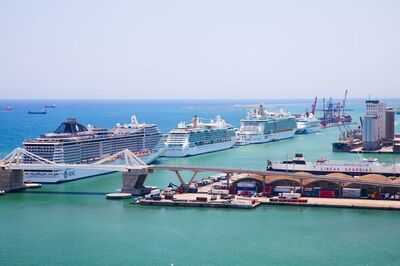
A Spanish city fed up with cruise ships is set to impose a major body blow on stopover passengers. Barcelona City Council intends to double the tourist tax to €8 (£6.90), stating it wants the city to be a port of departure and arrival, not a stopover.
The charge would be imposed on all cruise ship passengers who stay in the city for less than 12 hours. The long-term aim is to eliminate all stopover cruises. The new measure will be carried out from 2027. The city council also intends to reduce the port infrastructure, cutting the current number of seven terminals to only five, physically limiting the possibility of several large ships docking simultaneously and reducing the total reception capacity.
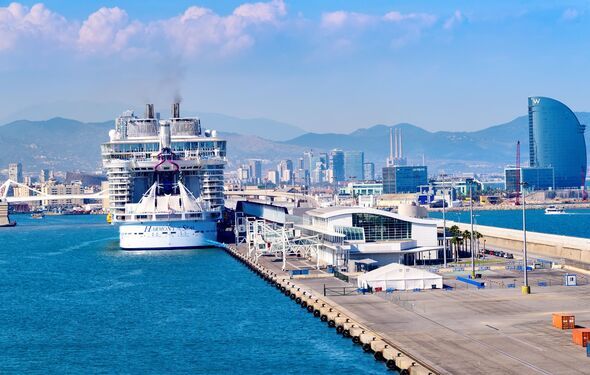
In a recent intervention on local television Betevé, Mayor Jaume Collboni explained that the proposal to raise the municipal surcharge to €8 will be formalised and come into force in 2027.
"My goal is to reduce cruise ship stopovers in the city of Barcelona to zero in the coming years," the mayor stressed, adding that the additional revenue will be reinvested in the management of high-traffic areas and in improving the quality of life in the districts most affected by the constant flow of cruise passengers.
According to data from the Spanish port authority, Barcelona closed the year 2025, consolidating its leadership in the Spanish port system. The Barcelona port reached a historic volume of 832 cruise calls during the last year, moving around 3.9 million passengers.
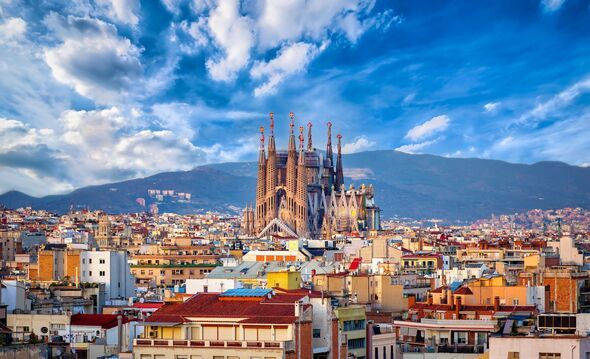
Barcelona has already come under fire for telling tourist transport coaches they will pay €80 (£69.30) per day to operate in the city, up from the current €20 (£17.30).
It has also recently increased its tourist tax to address the housing affordability crisis and curb overtourism. The new tax rates, effective from April 1, 2026, sees visitors in Barcelona paying between €10 and €15 (£8.70-£13) per night, depending on the accommodation category. The tax will increase progressively across Catalonia, with a maximum rate of €12.50 (£10.80) per night for holiday rental guests, such as through Airbnb, and €10 (£8.70) for hotel guests. The revenue from this tax will be allocated to housing policies and the Tourism Promotion Fund, with a portion dedicated to community housing initiatives.
The decision has sparked debate among travellers and locals, with some arguing that the tax could drive away tourists and others supporting it as a necessary step to address the city's housing crisis and promote sustainable tourism.
-
Teen boy drowns while swimming in canal near Kembhavi in Yadgir district

-
Waterstones has 'free drink offer' fans are only just realising exists
-
Sharon Stone announces devastating death news in latest family tragedy

-
From Dubai to IPL: Macneil in CSK after mother quit job, father spotted talent

-
Starmer, Streeting, Burnham and the bacon eater - the runners and riders to be our next PM