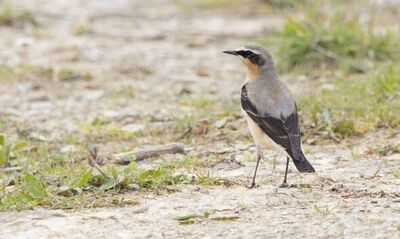
One ounce songbirds are mustering across hills and fields for one of the most incredible journeys in nature. Donald Trump may think Greenland is just a "big, beautiful piece of ice" but for intrepid northern wheatears it is a do-or-die summer destination.
Throughout May, small numbers of the Greenland race of the northern wheatear - a brighter, bulkier relative of our native breeding species - pass through Britain before venturing out into the forbidding waters of the North Atlantic.
In the face of prevailing winds, the birds battle for 30 hours before touching down in Iceland. A quick stopover and the wheatears are off to the ice-pocked tundra of Greenland. Some will continue into Arctic Canada.
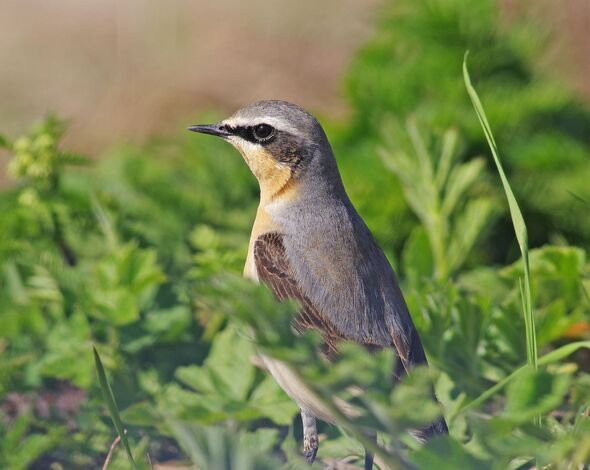
Under the midnight sun, the wheatears will nest, fledge young and, within a few weeks, begin an equally gruelling migration back across the Atlantic to winter in sub-Saharan Africa. These 3,000 mile non-stop flights are the longest performed by any songbird over open water.
The Greenland wheatear's migration is only equalled by its Alaskan cousin, which takes a clockwork route from African wintering grounds through the Middle East into Siberia and across the Bering Strait into North America, a 9,000 mile odyssey.
This spring has seen an impressive upsurge of both native and Greenland birds arriving in the UK, giving birders opportunity to enjoy their subtle differences. Apart from Greenland birds appearing a few weeks later, telling the pair apart requires detailed views.
To my eyes, the Greenland race is more upright, longer winged, with the males having rich, mustard-toned throats and breasts along with brighter RAF blue upperparts. Separating the female races is best left to ringers with rulers and scales.
What impacts climate change and global politics will have on the future of Greenland wheatears remains imponderable. Sadly, our native breeders have suffered a 37% decline over the past 29 years.
One likely factor is the crash in rabbit numbers that keep the wheatears' grassland habitats in tip-top condition.
-
In Himachal Pradesh, tourism and migration are altering beliefs that kept forests safe
-
Bharmour Meat Shop Union Takes Steps to Respect Religious Sentiments
-
Storm wreaks havoc in Kembhavi; roof of marriage hall collapses

-
Aldi confirms bananas last longer without going brown if stored in 1 kitchen appliance

-
UK's new longest outdoor tubing slide looks incredible fun - opens on May 22