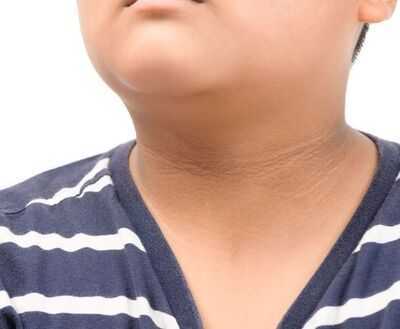
As children reach puberty, weight gain can be a normal change. However, certain signs of weight gain may indicate something serious, beyond typical teenage transformations. According to experts, one subtle sign could suggest that a young person is at risk of a common medical condition.
According to the National Child Measurement Programme, nearly a quarter (22.7%) of reception children and over a third (37.7%) of primary school leavers were classed as overweight or obese from 2022 to 2023. While normal development often results in some weight gain, obesity in children is still a cause for concern in the UK.
Director and GP at The Health Suite, Dr Dominic Greenyer, has said there is one particular 'little-known' change parents should look out for if they are concerned about their child's weight. It has nothing to do with the number on the scales and could be an early red flag.
Dr Greenyer said: "One of the key indicators that your child could be struggling with their weight is a noticeable change in the skin. A darkening and thickening of the skin in the folds of the neck and armpits, known medically as acanthosis nigricans, can be an indicator of insulin resistance in children, a condition closely linked to obesity."
He warned that, if left unaddressed, it is "a stepping stone towards type two diabetes". Many parents often fail to notice the change, as it can be mistaken for a tan line, a patch of dry skin, or simply dirt.
Dr Greenyer added: "This is why clinical assessment matters if you're concerned about your child's weight." As well as changes to the skin, there are other symptoms that may need a professional assessment.
These include a BMI consistently at or above the 91st centile, weight gain that is disproportionate to the child's height and development, and a family history of obesity related conditions such as type two diabetes.
The medical professional said: "It can be difficult for parents to discern weight gain in children that is part of a healthy development, and weight gain that requires speaking with a medical professional.
"The key is whether weight gain is crossing centile lines upwards over time, and whether it is accompanied by unusual signs, such as changes to the skin, that suggest something more is going on beneath the surface."
The NHS claims that acanthosis nigricans patches "often appear gradually without any other symptoms". People should see a GP if they have new dark patches on their skin or if they have any skin changes they're unsure about.
A statement on the NHS website says: "Sometimes healthy people with no other conditions get acanthosis nigricans. This is more common in people with black or brown skin."
What is the treatment for acanthosis nigricansOnce a GP knows what's causing acanthosis nigricans, they can recommend the best treatment. The patches should fade over time once the cause is treated.
If you're very overweight, a GP may recommend losing weight. Depending on the cause, they may also recommend medicine to balance your hormones or insulin levels. A doctor might also suggest changing your medicine to one that does not cause the patches.
The NHS said: "There is no specific treatment for the patches themselves. A skin specialist (dermatologist) may be able to suggest treatments to improve their appearance, but finding and treating the cause is usually recommended first."
-
Do your feet start smelling as soon as you wear socks in summer? Adopt these measures, you will remain fresh the whole day

-
Why uhomes.com Is a Reliable Choice for Student Accommodation in Coventry?

-
Recipe : Lightly sweet, melt in your mouth…, have you ever tried this 1100 year old recipe of Uttarakhand?

-
Hiccups Home Remedies: Do hiccups really occur due to remembering someone? Or is there some other reason behind it?

-
Amazon’s Alexa+ can now generate entire podcast episodes on demand