A traditional Chinese exercise practised for more than 800 years could offer a simple and affordable way to help manage high blood pressure, according to new research published in the Journal of the American College of Cardiology.
The study, which was also highlighted by ScienceDaily, found that baduanjin, an ancient exercise combining gentle movements, breathing control, and meditation, may reduce blood pressure levels almost as effectively as certain medications.
Researchers believe the findings could be particularly important for people who struggle to maintain demanding fitness routines or intense workouts.
What Is Baduanjin? Ancient Chinese Exercise Explained
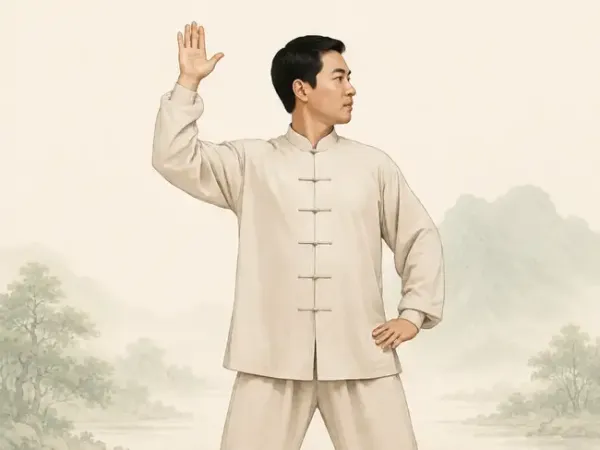
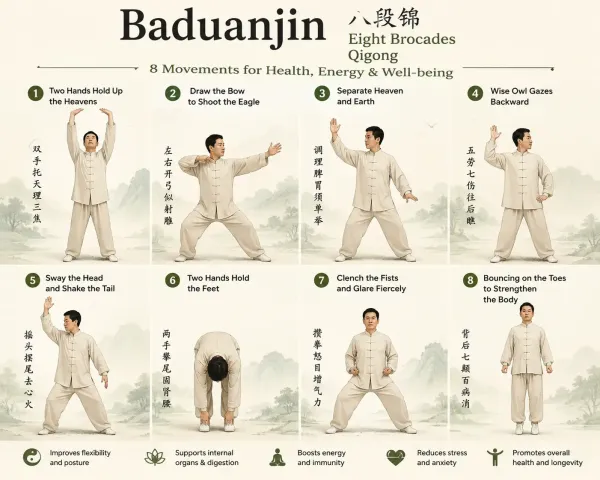
Baduanjin is a traditional Chinese wellness practice made up of eight slow, flowing movements designed to improve flexibility, breathing, circulation, and relaxation. The exercise has been part of Chinese culture for centuries and is commonly practised in public parks and community spaces across China.
Unlike high-intensity workouts, baduanjin is low-impact, requires no equipment, and can usually be completed in just 10 to 15 minutes. Experts say its simplicity makes it easier for people to continue long term.
Study on High Blood Pressure Included Over 200 Adults
The year-long clinical trial involved 216 adults over the age of 40 who had stage 1 hypertension. Participants were divided into three groups. One group practised baduanjin five days a week, another followed brisk walking routines, while the third group carried out self-managed exercise plans.
Researchers monitored participants’ blood pressure regularly throughout the study to measure the long-term effects of each activity.
Baduanjin Showed Noticeable Blood Pressure Improvements
After three months, participants practising baduanjin showed measurable improvements in blood pressure readings. According to the study, their 24-hour systolic blood pressure dropped by around 3 mm Hg, while office blood pressure readings fell by roughly 5 mm Hg.
Researchers also noted that the improvements remained consistent over the full year-long trial period.
The study found that the results were similar to those achieved through brisk walking and comparable to improvements often seen with some first-line blood pressure medicines.
Experts Say Simple Exercise Could Support Heart Health
Dr Jing Li, the study’s senior author, said baduanjin may become a useful long-term health tool because it is safe, simple, and easy to maintain.
She explained that many people find strict exercise programmes difficult to follow over time, whereas gentle routines such as baduanjin may encourage better consistency.
Researchers also highlighted that participants continued practising the exercise regularly without requiring heavy supervision, which is often one of the biggest challenges in lifestyle-based treatment plans.
Modern Science Supports Ancient Wellness Practices
Professor Harlan Krumholz described the findings as an example of ancient wellness traditions being supported by modern medical research.
He noted that the blood pressure reductions seen in the study were comparable to those observed in major drug trials, but without medication-related costs or side effects.
Could Baduanjin Become a Natural Alternative for Hypertension?
While doctors stress that people should not stop prescribed medication without medical advice, researchers believe baduanjin could become a valuable addition to lifestyle-based approaches for managing hypertension and improving overall cardiovascular health.
As interest grows in natural and sustainable ways to support heart health, this centuries-old Chinese exercise may be finding renewed relevance in modern healthcare.
FAQs
1. What is baduanjin?
Baduanjin is an ancient Chinese exercise involving eight slow movements combined with breathing and meditation techniques.
2. Can baduanjin lower high blood pressure?
According to the study, regular practice of baduanjin helped reduce blood pressure levels in adults with stage 1 hypertension.
3. How long does a baduanjin session last?
Most sessions last between 10 and 15 minutes.
4. Is baduanjin similar to yoga?
It shares similarities with yoga and tai chi because it combines movement, breathing, and mindfulness.
5. Who can practise baduanjin?
The exercise is considered gentle and suitable for most age groups, especially older adults.
6. Do you need equipment for baduanjin?
No. The routine requires no special equipment and can be done almost anywhere.
7. How often should you practise baduanjin?
In the study, participants practised five days a week.
8. Can baduanjin replace blood pressure medication?
Experts say people should not replace prescribed medicines without consulting a doctor.
9. Where was the study published?
The findings were published in the Journal of the American College of Cardiology.
10. Why are experts interested in baduanjin?
Researchers believe its simplicity, low cost, and ease of practice could make it a practical long-term lifestyle tool for managing blood pressure.
Disclaimer: This article is for informational purposes only and not a substitute for professional medical advice. Always seek the advice of your doctor with any questions about a medical condition.
The study, which was also highlighted by ScienceDaily, found that baduanjin, an ancient exercise combining gentle movements, breathing control, and meditation, may reduce blood pressure levels almost as effectively as certain medications.
Researchers believe the findings could be particularly important for people who struggle to maintain demanding fitness routines or intense workouts.
What Is Baduanjin? Ancient Chinese Exercise Explained
Baduanjin is a traditional Chinese wellness practice made up of eight slow, flowing movements designed to improve flexibility, breathing, circulation, and relaxation. The exercise has been part of Chinese culture for centuries and is commonly practised in public parks and community spaces across China.Unlike high-intensity workouts, baduanjin is low-impact, requires no equipment, and can usually be completed in just 10 to 15 minutes. Experts say its simplicity makes it easier for people to continue long term.
Study on High Blood Pressure Included Over 200 Adults
The year-long clinical trial involved 216 adults over the age of 40 who had stage 1 hypertension. Participants were divided into three groups. One group practised baduanjin five days a week, another followed brisk walking routines, while the third group carried out self-managed exercise plans.Researchers monitored participants’ blood pressure regularly throughout the study to measure the long-term effects of each activity.
Baduanjin Showed Noticeable Blood Pressure Improvements
After three months, participants practising baduanjin showed measurable improvements in blood pressure readings. According to the study, their 24-hour systolic blood pressure dropped by around 3 mm Hg, while office blood pressure readings fell by roughly 5 mm Hg.Researchers also noted that the improvements remained consistent over the full year-long trial period.
The study found that the results were similar to those achieved through brisk walking and comparable to improvements often seen with some first-line blood pressure medicines.
Experts Say Simple Exercise Could Support Heart Health
Dr Jing Li, the study’s senior author, said baduanjin may become a useful long-term health tool because it is safe, simple, and easy to maintain.She explained that many people find strict exercise programmes difficult to follow over time, whereas gentle routines such as baduanjin may encourage better consistency.
Researchers also highlighted that participants continued practising the exercise regularly without requiring heavy supervision, which is often one of the biggest challenges in lifestyle-based treatment plans.
Modern Science Supports Ancient Wellness Practices
Professor Harlan Krumholz described the findings as an example of ancient wellness traditions being supported by modern medical research.He noted that the blood pressure reductions seen in the study were comparable to those observed in major drug trials, but without medication-related costs or side effects.
Could Baduanjin Become a Natural Alternative for Hypertension?
While doctors stress that people should not stop prescribed medication without medical advice, researchers believe baduanjin could become a valuable addition to lifestyle-based approaches for managing hypertension and improving overall cardiovascular health.As interest grows in natural and sustainable ways to support heart health, this centuries-old Chinese exercise may be finding renewed relevance in modern healthcare.
FAQs
1. What is baduanjin?Baduanjin is an ancient Chinese exercise involving eight slow movements combined with breathing and meditation techniques.
2. Can baduanjin lower high blood pressure?
According to the study, regular practice of baduanjin helped reduce blood pressure levels in adults with stage 1 hypertension.
3. How long does a baduanjin session last?
Most sessions last between 10 and 15 minutes.
4. Is baduanjin similar to yoga?
It shares similarities with yoga and tai chi because it combines movement, breathing, and mindfulness.
5. Who can practise baduanjin?
The exercise is considered gentle and suitable for most age groups, especially older adults.
6. Do you need equipment for baduanjin?
No. The routine requires no special equipment and can be done almost anywhere.
7. How often should you practise baduanjin?
In the study, participants practised five days a week.
8. Can baduanjin replace blood pressure medication?
Experts say people should not replace prescribed medicines without consulting a doctor.
9. Where was the study published?
The findings were published in the Journal of the American College of Cardiology.
10. Why are experts interested in baduanjin?
Researchers believe its simplicity, low cost, and ease of practice could make it a practical long-term lifestyle tool for managing blood pressure.
Disclaimer: This article is for informational purposes only and not a substitute for professional medical advice. Always seek the advice of your doctor with any questions about a medical condition.