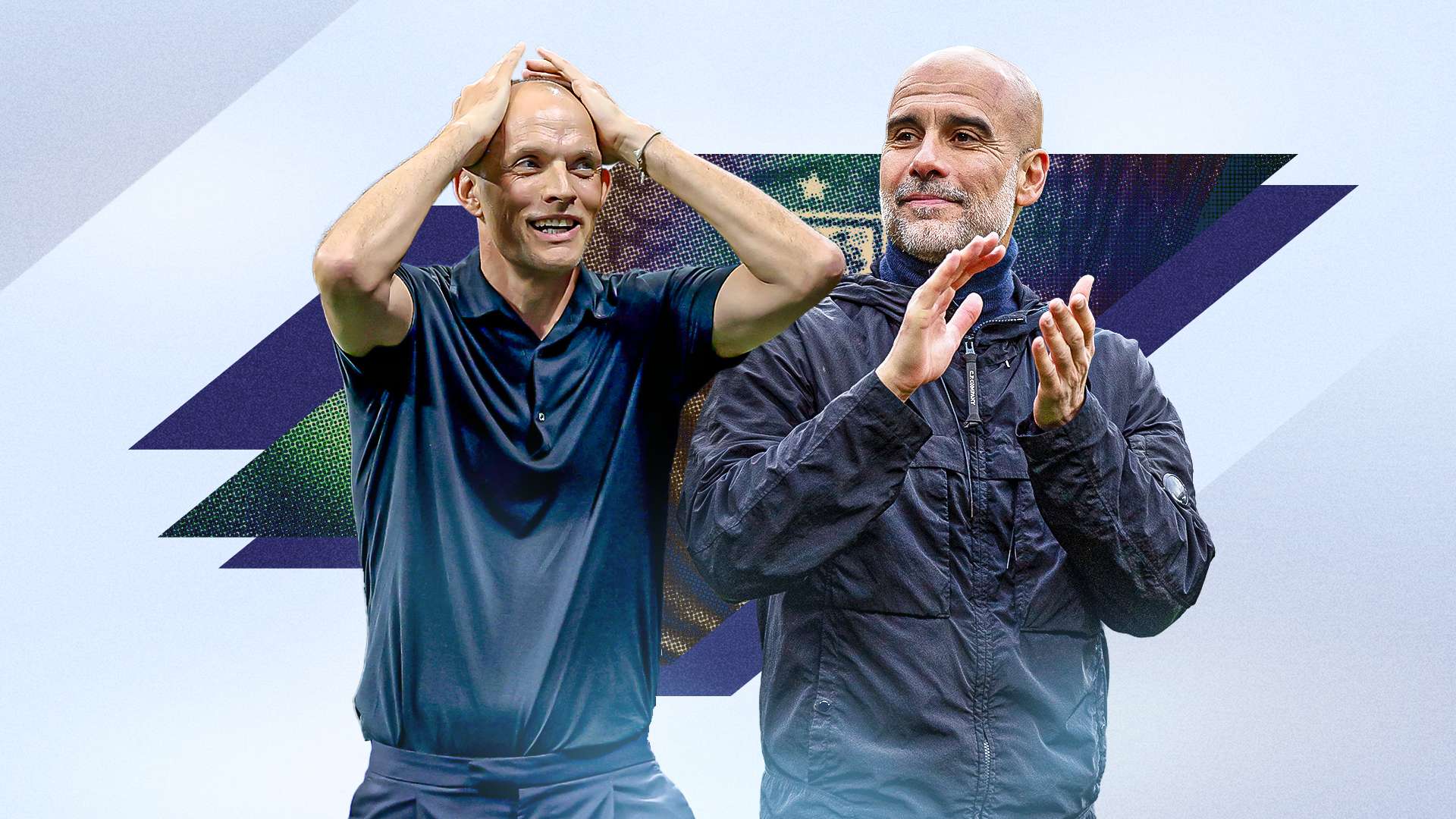
Thomas Tuchel is about to experience what can only be described as a classic English post-tournament inquest – something the country has long perfected. Following Wednesday's devastating World Cup semi-final defeat to defending champions Argentina, the clamour for his dismissal has grown louder. England’s defensive tactics collapsed late on, as Tuchel’s side squandered an 85th-minute lead and ultimately lost in stoppage time.
The statistics from the second half painted a grim picture. Between Anthony Gordon’s goal in the 55th minute and Enzo Fernandez’s equaliser half an hour later, England managed just 12 percent possession. They retreated deep into their own half, completing only two passes — both between goalkeeper Jordan Pickford and defender John Stones — across 18 minutes before Fernandez struck.
Critics have accused Tuchel of worsening England’s siege mentality by introducing three defensive players — Ezri Konsa, Dan Burn and Nico O'Reilly — for Gordon, Declan Rice and Reece James in the final 20 minutes. Instead of countering his team’s growing passivity earlier, he doubled down late. Argentina, led by Lionel Messi, capitalised ruthlessly, seizing the match in its dying moments.
Tuchel must shoulder some of the blame for England’s painful, avoidable exit. However, the loss reflects a deeper-rooted issue that goes beyond one coach. Dismissing him now would not solve the fundamental problem. If the Football Association (FA) were to act dramatically, there is arguably only one name to consider as a successor: Pep Guardiola.
Perfect storm
Tuchel undoubtedly contributed to the collapse in Atlanta, but the performance after England took the lead revealed structural weaknesses that transcend his management, even if his in-game tactics worsened them. The players appeared haunted by habits from the Gareth Southgate era — sitting deep almost instinctively, as if unable to believe they could be leading the world champions. Instead of attacking with confidence, they slipped into a defensive mindset rooted in a long-standing inferiority complex.
Tuchel’s substitutions were a reaction to that shift, an attempt to replace players who had already dropped deep with those naturally suited to defending. Unfortunately, this only encouraged further retreat and pressure. Once Argentina began exploiting the growing gaps, Messi punished them mercilessly.
Many have argued that Tuchel should have countered England’s passivity with more attacking substitutions immediately after the goal, as the game was still there to be won.
'Died a slow death'
Post-match analysis confirmed that there was no instruction from Tuchel to defend deep or play a low block. The team’s mentality shifted on its own, and by the time Tuchel made changes — even if misguided — the damage had already been done.
Speaking to ITV, Tuchel reflected candidly: “They had nothing to lose, we suddenly played like we had a lot to lose. We didn’t have enough possession, we couldn’t escape the pressure anymore. [We] tried everything but couldn’t get hold of the ball and then it’s like you’re dying a slow death; it started straight after the goal and that’s basically why we lost.”
When asked about his substitutions and their apparent negative effect, Tuchel responded sharply: “We sat deep straight after our goal, you just said it. Not after the substitutions. But I take responsibility for them. It’s easy to be a coach after the game — no one can prove what would have happened otherwise.”
Captain Harry Kane confirmed that Tuchel had told his players to keep attacking. “Once we went 1-0 up, we just tried to hold on, which isn’t enough at this level. When we scored, the message was clear — go again and get another goal,” he said. Centre-back Marc Guehi agreed, admitting: “We should have kept pushing. It kind of felt like we scored and the mentality became ‘sit back, defend’.”
No quick fix
While Tuchel’s substitutions may have been ill-timed, England’s deeper psychological barrier was never going to be resolved quickly. The former Chelsea and Bayern Munich boss only took charge in January 2025, tasked with turning Euro 2024 finalists into world champions in just six international windows before this summer’s tournament.
Even with the stated ambition of winning the World Cup, most supporters knew it was an enormous challenge in such a short period, especially considering the pedigree of Spain, Argentina, and France — teams not burdened by six decades of disappointment.
As noted by The Athletic, “England almost always lead in knockout matches they eventually lose,” referencing Germany (1996), Argentina (1998), Brazil (2002), Portugal (2004), Iceland (2016), Croatia (2018), and Italy (2021). Changing that pattern will take more than 18 months of work.
Looking ahead, Euro 2028 — hosted across the UK and Ireland — feels like a more attainable milestone. By then, Tuchel will have had time to instil the belief and composure necessary for sustained success, helping his players approach major tournaments with the same self-assurance that Argentina displayed in Atlanta.
Unmissable opportunity?
Despite the semi-final heartbreak, it would be hasty to dismiss Tuchel so early into his tenure. His project remains in its formative stage. Still, the availability of one legendary coach cannot be ignored. Pep Guardiola, having departed Manchester City at the end of the club season, has long expressed admiration for English football — a league he transformed during his decade at the Etihad. It is no shock that bookmakers list him as the leading candidate for the England post.
If the FA were to make a change, Guardiola would be the only realistic option capable of surpassing Tuchel’s early groundwork. Otherwise, England would be wise to continue with one of the world’s most respected tacticians.
Backing from above
For now, Tuchel retains the confidence of the FA hierarchy. Reports after Wednesday’s defeat suggested that the association views the semi-final run as a relative success despite the painful exit. This stance is unsurprising considering the German coach signed a two-year contract extension in February, extending his stay until after the 2026 World Cup.
Tuchel is therefore expected to lead England into Euro 2028 on home turf, where he will be judged on whether he can finally deliver a major trophy. Failure to do so would likely bring his tenure to an end.
'We keep on going'
Tuchel insists he has no plans to step aside. “We keep on going with the contract until the home Euros,” he told reporters after the match. “It’s not easy to look that far ahead right now, but we will. We have to wait four years for another World Cup — reaching a semi-final is an achievement in itself. Many big nations didn’t make it this far, but of course, we demand the most from ourselves because we are competitors.”
Looking ahead to 2028, England will again be among the favourites, boasting a vibrant squad strengthened by emerging stars and potential returns from key players like Cole Palmer and Phil Foden. Over the next two years, Tuchel’s mission will be to instil the self-belief needed to finally take England all the way.
-
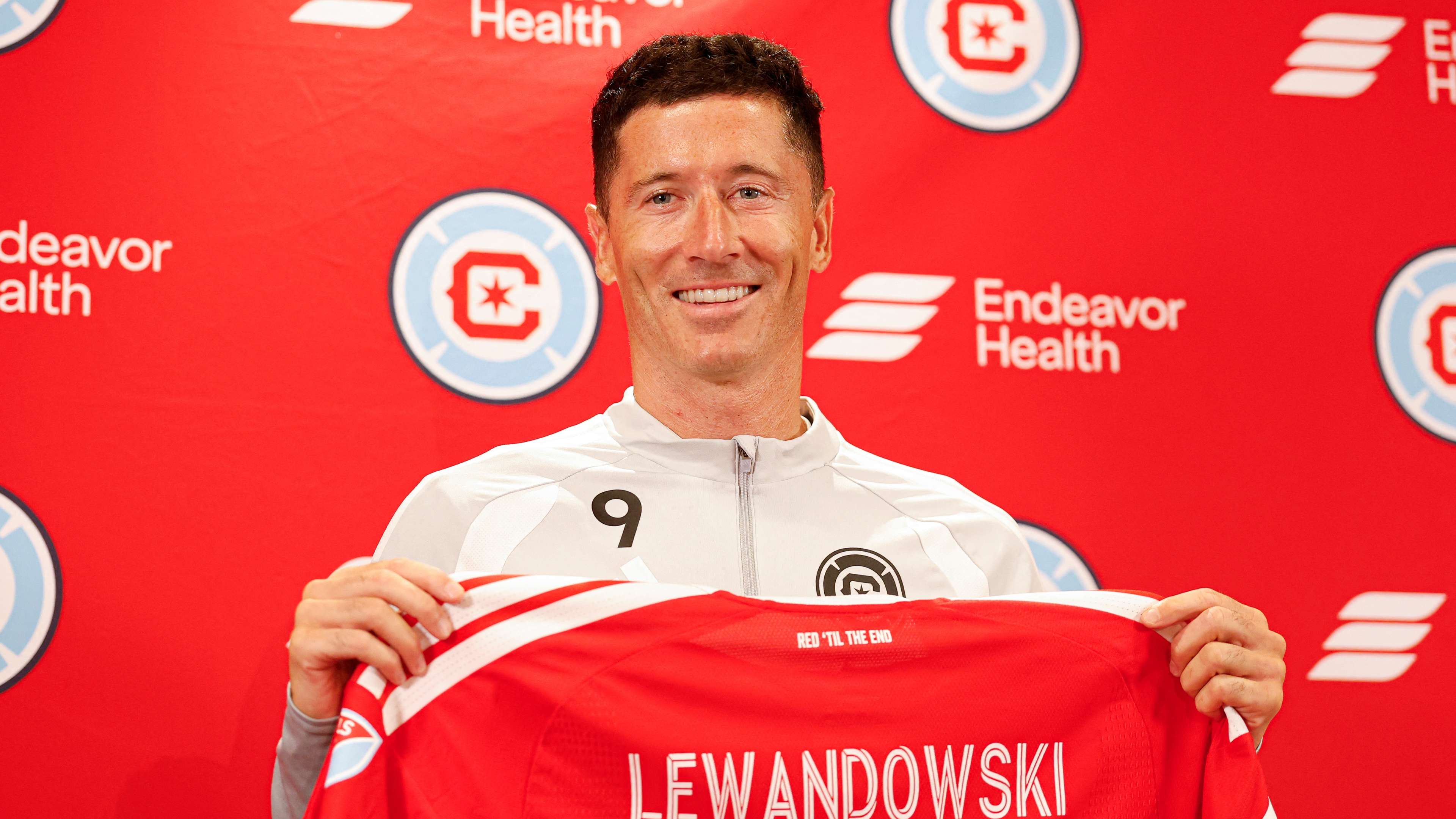
Robert Lewandowski reveals his deep connection with Barcelona led him to reject European offers before opting for Chicago Fire move
-
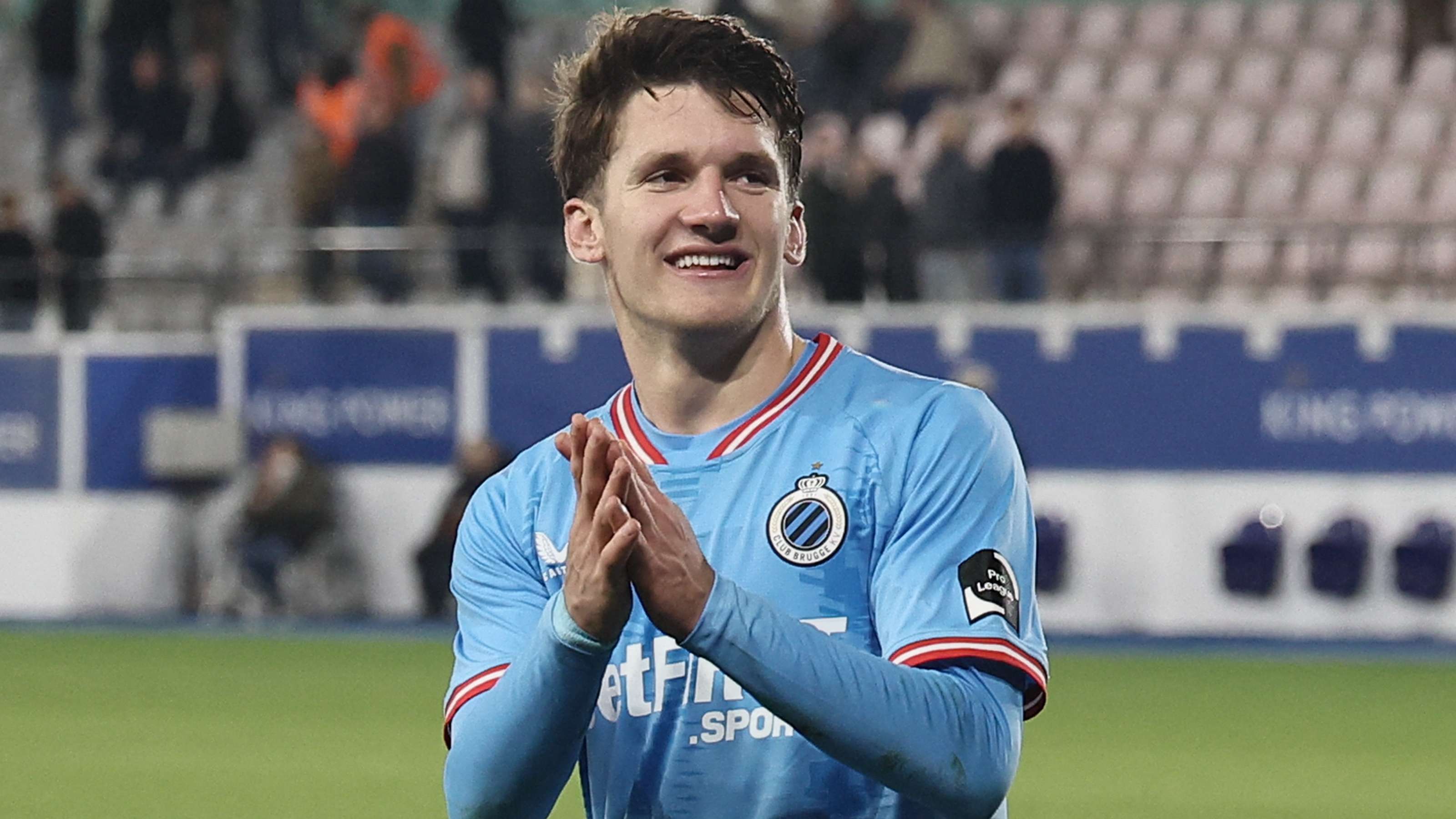
Arsenal Finalise £34m Deal for Christos Tzolis from Club Brugge as Mikel Arteta Strengthens Attack
-
Why international students choose to get vaccinated in Vietnam

-
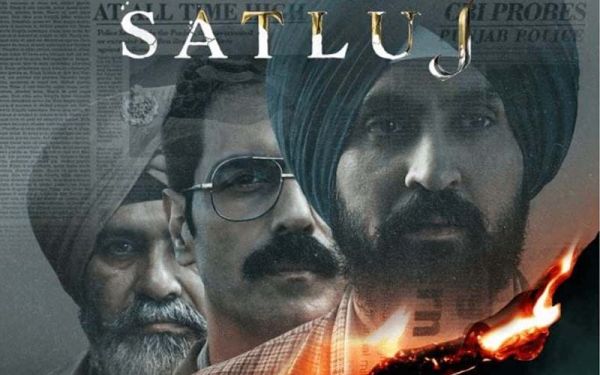
Diljit Dosanjh accepted one rupee for Sutlej role
-
3 Zodiac Signs Attract Major Financial Success On July 17, 2026