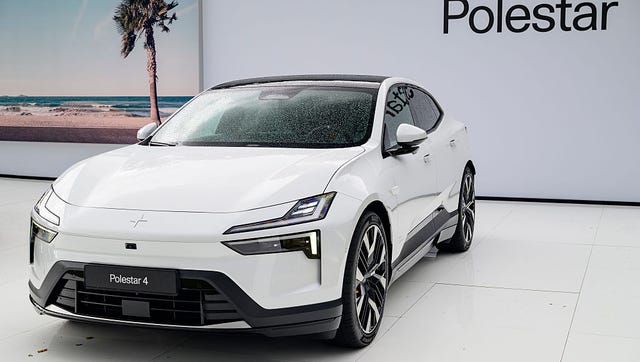
Swedish electric car manufacturer Polestar will soon face a prohibition on selling its vehicles in the United States due to concerns linked to Chinese technology. The company, however, reportedly has no intention of contesting the decision, according to a report by the Wall Street Journal.
A new directive from the U.S. Department of Commerce restricts the sale of vehicles that incorporate connected technologies originating from China or Russia. This policy effectively bars Polestar from selling its cars in the American market beginning in 2027. In a statement to the Wall Street Journal, Polestar confirmed that it does not plan to appeal the ruling. Although the automaker had the option to challenge the decision, company executives engaged in extensive discussions with U.S. authorities and ultimately concluded that an appeal would likely be unsuccessful. While a legal challenge was also possible, Polestar’s leadership has decided to shift its focus toward other regions instead.
Polestar spokesperson Michael Ofiara told the Wall Street Journal, “We will instead focus our investments on markets where we have a strong brand position and ability to achieve profitable growth, with a strong weighting towards Europe.”
The Connected Vehicle Rule, under which Polestar falls, could affect several other automakers operating in the United States. Brands such as Lotus and Mercedes-Benz also face potential risks of being restricted from selling their vehicles in the country. Notably, Volvo has been granted an exemption from the rule, even though it shares ownership under the Chinese automotive conglomerate Geely, which also owns Polestar and Lotus. Volvo received approval in May to continue its U.S. operations after submitting detailed information on its governance structure, technology systems, and data security protocols to the Office of Information and Communications Technology and Services within the U.S. Department of Commerce.
Officials from the Department of Commerce have clarified that exemptions are determined individually, based on specific circumstances. National security remains the central concern driving these restrictions on Chinese technology under both the Biden and Trump administrations. Authorities have cited potential risks that vehicle-integrated cameras and satellite systems sourced from China could be exploited by foreign adversaries. However, Polestar’s challenges in the U.S. extend beyond regulatory issues.
The company’s 32 U.S. dealerships are reportedly alarmed by the brand’s impending exit from the market. In some states, laws mandate that automakers compensate dealers when they withdraw, provided the company has not declared bankruptcy. According to the Wall Street Journal, Polestar may be required to buy back unsold inventory or pay dealers the fair market value of their franchises. The automaker has stated that it is not ending its dealer agreements and is actively working to “manage this transition.”
Polestar’s difficulties in the American market are not new. The company discontinued its Polestar 2 sedan last year after the U.S. imposed a 100 percent tariff on the China-manufactured model, further complicating its presence in the region.
The specific reasons behind the U.S. government’s decision to bar Polestar from future sales remain undisclosed.
-
Bournemouth Star Alex Scott Rejects New Contract as Manchester United and Arsenal Step Up Interest

-
Tottenham explore goalkeeper exchange with Napoli as Italian club target Guglielmo Vicario

-
Vaishno Devi Yatra Package: Visit Mata Rani in low budget, in this package of IRCTC you will get complete arrangements from travel to stay.

-
Medical Success Story: 20-year-old woman undergoes successful minimally invasive mitral valve replacement surgery at Wockhardt

-
Skoda Slavia Monte Carlo Edition Update: Check New Exclusive Paint Options And Prices