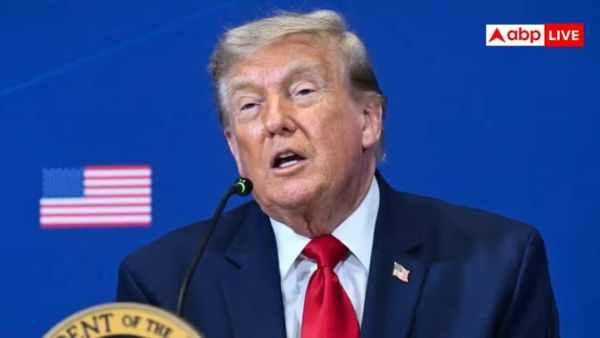
The United States on Thursday imposed a 10% tariff on imports from India and more than a dozen other countries after concluding a months-long investigation into forced labour practices. The final rate is lower than the 12.5% tariff initially proposed for India under Section 301 of the Trade Act of 1974.
India will now face the same tariff rate as Pakistan, Bangladesh and Sri Lanka, along with several Asian and Latin American economies. Overall, the US imposed tariffs on 60 countries that together account for more than 99% of American imports, citing their failure to prohibit and effectively enforce restrictions on goods produced through forced labour.
The newly announced tariffs replace the temporary 10% global tariff introduced in February, which expired earlier this week.
US Cites Human Rights And Trade Concerns
Announcing the decision, US Trade Representative Jamieson Greer said the move was aimed at addressing both human rights concerns and unfair trade practices linked to forced labour.
"Today's action will begin to correct what is both a human rights abuse and distortive trade practice to improve the welfare of workers everywhere. I am encouraged by the trading partners who have moved quickly to adopt forced labour import prohibitions, and look forward to ensuring their effective enforcement," Greer said.
The tariffs stem from two Section 301 investigations launched by the Trump administration in March. Section 301 of the Trade Act allows the United States to impose retaliatory trade measures against countries found to be engaging in unfair or discriminatory trade practices. Unlike the temporary Section 122 tariffs introduced in February, Section 301 tariffs have no fixed expiry date or rate ceiling but can only be imposed after a formal investigation.
India Defended Its Record During Consultations
Before the decision, the Office of the US Trade Representative had indicated that India could face a 12.5% tariff under the forced labour investigation. Washington had argued that India had not taken sufficient steps to prevent imports of goods produced through forced labour.
During the public consultation process, Indian government officials and industry groups defended the country's record. They pointed to constitutional provisions prohibiting forced labour and other legal safeguards as evidence of India's efforts to address the issue.
India is also the subject of a separate Section 301 investigation into alleged excess manufacturing capacity. That inquiry remains ongoing.
Trade Negotiations Continue Despite Tariffs
The tariff announcement comes even as India and the United States continue negotiations on a broader bilateral trade agreement.
In February, the two sides agreed to a framework under which tariffs on Indian exports would be reduced from 50%, including a 25% penalty linked to India's purchase of Russian oil, to 18%. In return, India proposed purchasing $500 billion worth of US goods over the next five years while expanding market access for American exports, including selected agricultural products.
-
Official | Atlético de Madrid sign Kang-in Lee from PSG

-
Govt proposes tougher anti-paper leak law with fast-track courts
-
Make us police for a day: Hindutva groups on Delhi police brutality

-
How Gen Z Protests Forced Dharmendra Pradhan's Resignation
-
The menace of flies and mosquitoes is increasing in the house, to get rid of it, mix these things in mop water.