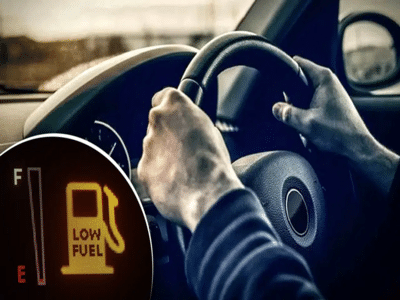
A used car can offer excellent value for money, but only if you're buying an honest vehicle. One of the most common scams in the pre-owned car market is odometer fraud, where the mileage is rolled back to make the car appear less driven than it actually is. A lower odometer reading can increase the vehicle's resale value, leaving buyers paying more for a car that's been used far more than they realize.
The good news is that a few simple checks can help you spot a tampered odometer before you make a purchase.
Don't Trust the Odometer AloneA low mileage reading may look attractive, but it shouldn't be the only factor in your decision.
Inspect the car for signs of wear, such as:
-
Worn or sagging seats
-
A shiny or heavily used steering wheel
-
Worn gear knob
-
Smooth or faded pedals
If these parts show significant wear despite a very low mileage reading, it's worth investigating further.
Ask for the Service HistoryAlways request the vehicle's service records before finalizing the deal.
Authorized service centers usually record the car's mileage during every visit. Compare those figures with the current odometer reading. Any unexplained drop or inconsistency could be a warning sign that the mileage has been altered.
Check the Condition of Tyres and Other PartsTyres, brake discs, and the clutch naturally wear out with use. If a car claims to have very low mileage but these components appear heavily worn, the odometer reading may not be accurate.
Keep in mind, however, that tyres and some parts can be replaced, so this should be considered alongside other checks.
Get an ECU ScanModern cars store vehicle data in the Electronic Control Unit (ECU). In many cases, the actual mileage can be retrieved using diagnostic equipment.
Having the car scanned at a trusted workshop can help identify discrepancies between the ECU data and the dashboard odometer.
Take a Proper Test DriveA test drive can reveal problems that numbers alone cannot.
Pay attention to:
-
Unusual engine noises
-
Difficulty shifting gears
-
Suspension rattles or excessive vibrations
-
Poor braking performance
If the car doesn't drive like a low-mileage vehicle, investigate further before proceeding.
Verify Important DocumentsCross-check the mileage and dates mentioned in documents such as:
-
Service invoices
-
Insurance records
-
Pollution Under Control (PUC) certificates
-
Repair bills
These records often provide a timeline of the vehicle's usage and can help uncover inconsistencies.
The Bottom LineOdometer fraud is one of the easiest ways for dishonest sellers to inflate a used car's value, but it's also one of the easiest scams to detect if you know what to look for. Always inspect the vehicle carefully, verify its service history, compare supporting documents, and, if possible, get an ECU scan before making a purchase. Spending a little extra time on these checks can save you from expensive repairs and financial loss later.
-
Arsenal get Vinicius Junior boost as Real Madrid star plans training strike amid contract standoff

-
Fantasy Premier League is live: What is new in FPL 2026/27?

-
'Two & A Bit Erling Haalands': Mark Swan's Incredible Strength Gets Funniest Tribute From England's Team At CWG 2026

-
Tejaswin Shankar Withdraws From High Jump After Knee Tendonitis Flare-Up, Shifts Focus To Decathlon Medal Bid | Video

-
'76% Of Radhakrishnan Committee Recommendations Already Implemented': Jitendra Singh Defends Anti-Paper Leak Bill In Lok Sabha